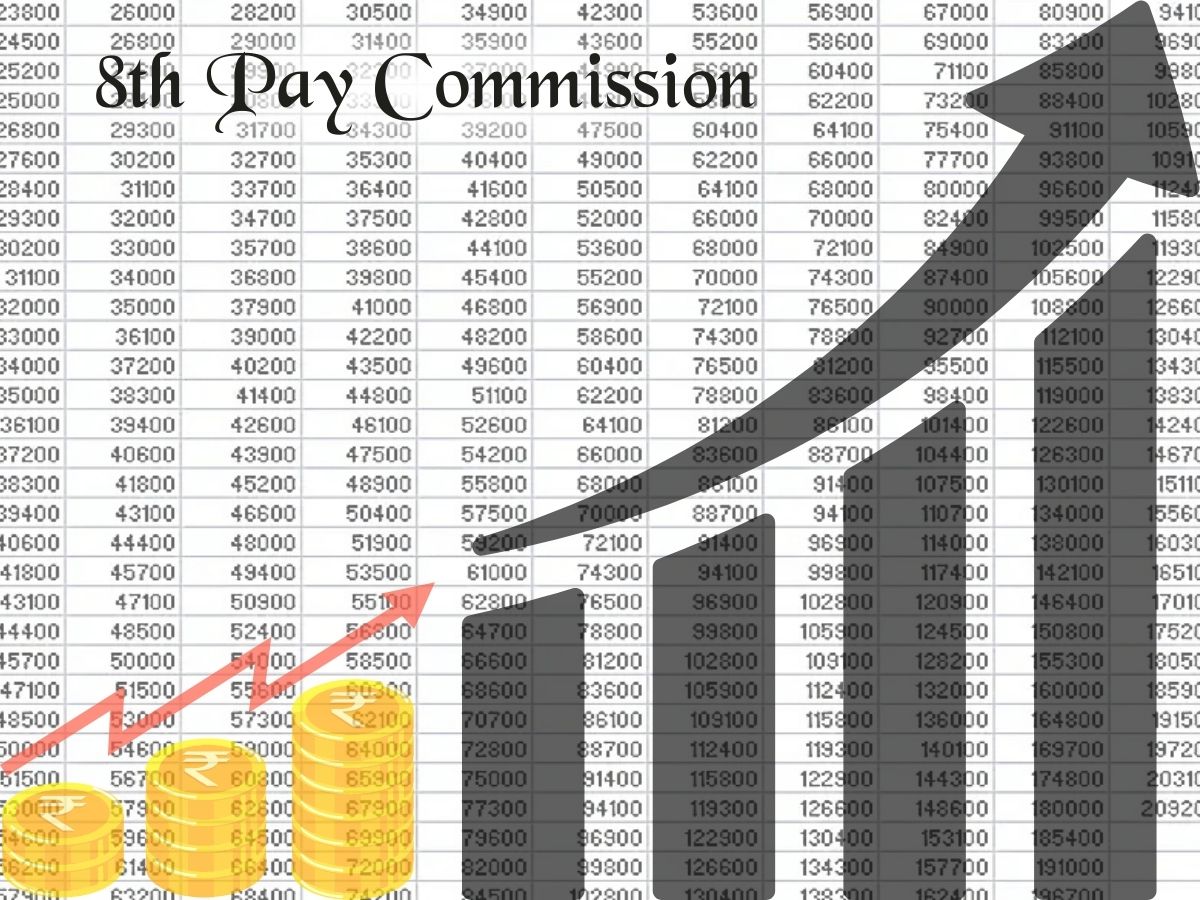
The 8th Pay Commission, cleared by the Union Cabinet in January 2025, is the most recent government move to revise the central government employees, pensions, and allowances. It is proposed to be introduced from January 1, 2026, being a major revision of the 7th Pay Commission. The pay commission will affect approximately 49 lakh central government servants and 65 lakh pensioners in India, set to introduce overall modifications in line with the prevailing economic conditions.
ALSO READ | Nil GST on Insurance may not See Expected Relief in Premium Prices
Fitment Factor
One of the most prominent aspects of the 8th Pay Commission is the increase in the basic pay and the Dearness Allowance (DA). Experts place the fitment factor, the multiplier on basic pay for the salary raise at between 1.83 and 2.86, which could amount to an increase in salary of anywhere from about 13% to 34%. Still, the present DA of 55%, being an allowance against inflation, is likely to be reset to zero and incorporated into the basic pay. Incorporation implies that the effective wage increase may be tempered but still accrue to employees, particularly pensioners, as pensions are indexed to the basic pay and DA.
Aim of Rationalisation
The 8th Pay Commission is also likely to be rationalised like earlier commissions, with an aim to streamline the salary structure by eliminating or clubbing smaller allowances like travel allowance, special duty allowance, and regional-specific allowances. This initiative aims to cut down complexity and enhance transparency in pay computation. The government has not yet officially issued notifications about the commission’s members or detailed terms of reference, but the implementation timeline suggests recommendations might be finalised and rolled out by early 2028, with salary benefits counted retroactively from January 2026.
ALSO READ | 8th Pay Commission: These People Could be the Chairman and Members
Expected Pay Increase
Anticipated minimum wage increases under the 8th Pay Commission may raise the existing minimum salary from approximately ₹18,000 to over ₹40,000, with corresponding increases in pension minima. Such a major increase would enhance the economic security and standard of living of government officials and retirees. The overall salary structure of the commission will comprise reworked basic pay, allowances such as DA, House Rent Allowance (HRA), and Travel Allowance (TA), and pension revision according to the new pay matrix.
ALSO READ | Institutional Activity: DIIs and FIIs Tangled in Balancing Each-other
Nutshell
In short, the 8th Pay Commission is a big and long-awaited overhaul of the pay and pension system for central government staff and pensioners, aimed at closer alignment with inflation, streamlining allowances, and huge salary increases from January 2026. Central employees and pensioners are eagerly looking forward to more official information and announcements about the commission’s report and plan of action.