
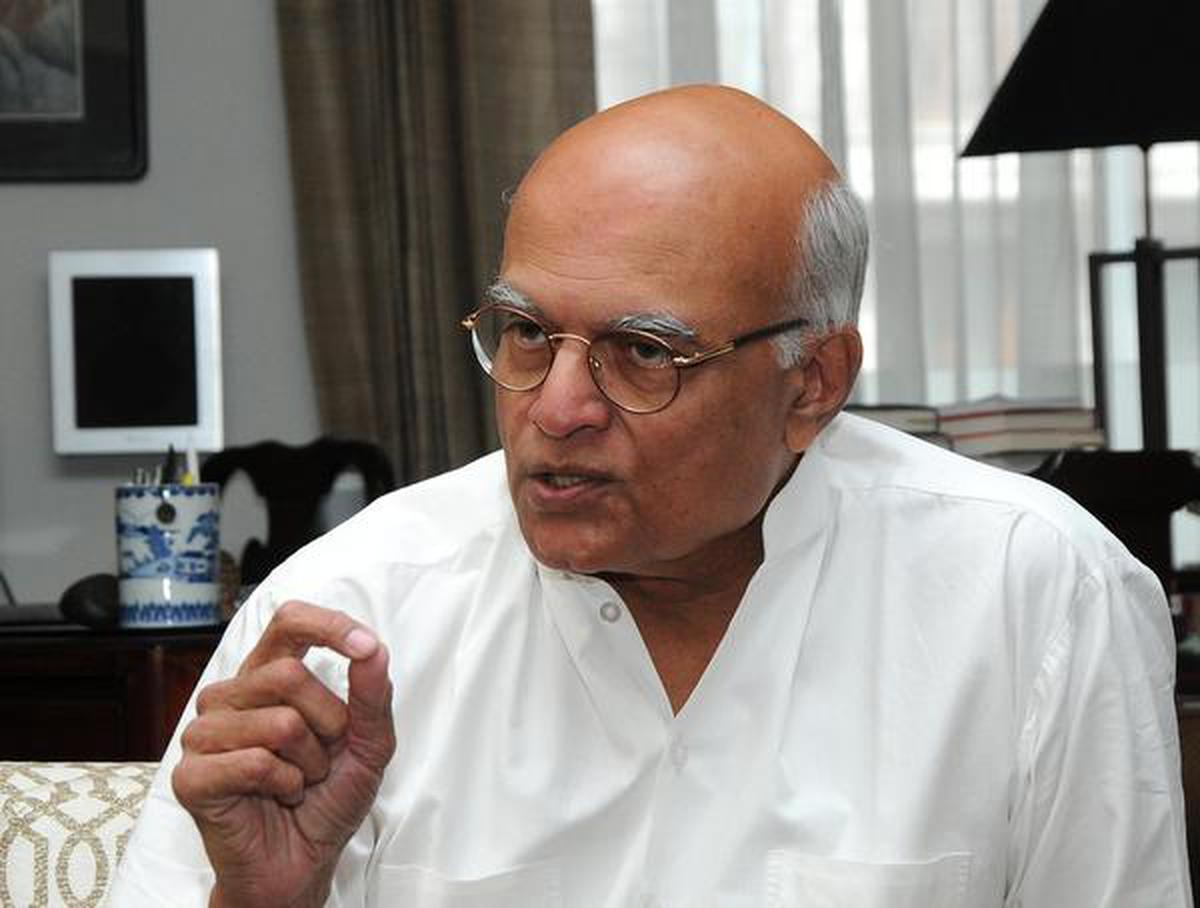
The Sino-Indian War of 1962 is considered a serious setback for India’s foreign policy, particularly the non-aligned variety. However, former diplomat Shivshankar Menon has a different view.
At the launch of Swapna Kona Nayudu’s book The Nehru Years: An International History of Non-Alignment, Menon argued that India did not fail in its non-aligned approach but rather failed in its China policy. The strongest hint, he said, lies in India’s global support during the war, which traversed even ideological barriers.
Global Support Beyond Ideologies
Menon explained that India benefited from support from countries around the world, from the United States to those normally opposed to India’s non-alignment, during the war. “In 1962, look at how much support we got across the world,” he emphasized.
This backing extended by various nations, irrespective of their ideological inclinations, seriously damaged the credibility of China in the southern hemisphere. Menon emphasized that this should mean that the problem is not with India’s policy of non-alignment but with India’s own handling of its China strategy.
Judging Policy by Outcomes
Menon further cautioned that one should not evaluate foreign policy on the basis of popular narratives and external opinion. “The success or failure of a policy should be judged by the outcome, not what others say about it,” he said.
He argued for a rather pragmatic approach wherein the outcomes that have occurred on the ground are the basis of judgment, rather than rhetoric and ideological bias.
Tracing the Roots of Non-Alignment
Swapna Kona Nayudu’s book traces the origins and relevance of the Non-Aligned Movement (NAM) in India’s diplomatic history, especially during the Cold War. The rise of this movement coincided with the wreckage of colonialism and with the beginning of independence struggles across Africa, Asia, and Latin America.
It aimed to retain the sovereignty and neutrality of the nations that had been caught between the two global power blocs.
India’s Role in International Solidarity
Shyam Saran, a former ambassador, drew attention to a wider understanding behind Nehru’s policy, proclaiming that India’s international outlook ought to stand for more than merely national interest. “India has to stand for something more than itself,” Saran noted, which further colored India’s engagement within global institutions such as the United Nations and multilaterally.
Through this perspective, the 1962 War encapsulates the reality of India’s foreign relations during a turbulent period. Wide international support for India during the conflict challenges the narrative of non-alignment’s failure while calling for a critical reassessment of China policy and strategic choices of the day.
ALSO READ: India Pauses Major US Defence Deals Amid Rising Trade Tensions and Tariffs