
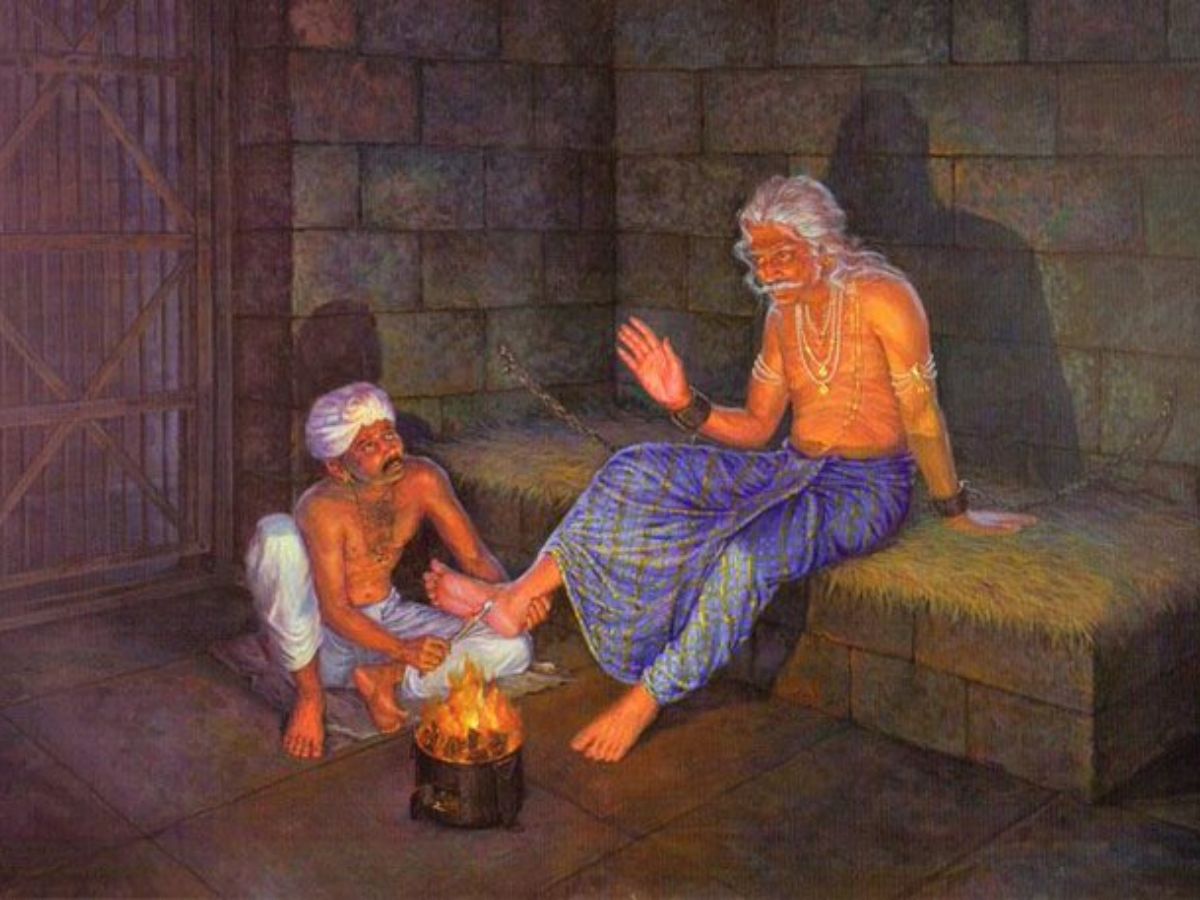
The Haryanka dynasty ruled Magadha during the 6th and 5th centuries BCE and played a pivotal role in shaping early Indian political history. After the famous king Ajatashatru, known for expanding Magadha and fighting the Licchavi republics, the throne passed to Udayabhadda, a relatively lesser-known ruler. While historical records about him are scarce, he is remembered as a stabilizing figure who ensured the continuity of the Haryanka dynasty.
Ascension to the Throne
Following Ajatashatru’s death, Udayabhadda ascended the throne of Magadha. Unlike his predecessor, whose reign was marked by military expansion and strategic conflicts, Udayabhadda’s rule focused on consolidation, internal administration, and maintaining stability. By overseeing governance effectively, he ensured Magadha’s continued prominence in the Gangetic plains.
Key Achievements
1. Political Stability : Udayabhadda is credited with maintaining the territorial integrity achieved by Ajatashatru. He prioritized internal governance over warfare, ensuring that Magadha remained a dominant power without major internal conflicts.
2. Administrative Continuity: He continued the administrative practices of the Haryanka dynasty, including land management, taxation, and supervision of local governance, which helped sustain economic prosperity and social order in the kingdom.
3. Support for Religion and Culture: The Haryanka dynasty coexisted with early Buddhist and Jain traditions. Udayabhadda is believed to have patronized religious scholars and monasteries, promoting an environment where spiritual and philosophical ideas flourished. This helped Magadha remain a center for learning and culture.
4. Dynastic Succession: Udayabhadda ensured a smooth succession, safeguarding the Haryanka dynasty’s continuity. His reign acted as a crucial link before the rise of the Shishunaga dynasty, preserving political stability for future rulers.
Personal Life and Marriage
While detailed accounts of Udayabhadda’s personal life are limited, it is believed that he married into influential families within Magadha, following the tradition of royal alliances to strengthen political ties. These marriages likely helped maintain peace among local chieftains and reinforced the king’s legitimacy. His family life, though sparsely documented, played a role in securing loyalty within the court and ensuring a smooth dynastic transition.
Historical Significance
Though overshadowed by Ajatashatru’s military accomplishments, Udayabhadda’s reign was essential for consolidating Magadha’s power. His focus on governance, stability, and patronage of culture ensured that the kingdom remained strong and prosperous. By bridging the ambitious policies of Ajatashatru with the later dynasties, Udayabhadda played a quiet yet vital role in Magadha’s historical prominence.
Udayabhadda may not be as celebrated as other Haryanka rulers, but his contributions to political stability, administrative continuity, and dynastic preservation were critical. His reign represents a period of calm and consolidation after years of warfare, making him an unsung yet important figure in the history of early Magadha.
Haryanka Dynasty Rulers Timeline
| Ruler | Reign | Personal Life & Marriage | Key Achievements |
|---|---|---|---|
| Bimbisara | c. 544–492 BCE | Married several princesses from neighboring kingdoms to strengthen alliances. | Expanded Magadha, established trade and diplomacy, built city of Rajgir, promoted Jainism and Buddhism. |
| Ajatashatru | c. 492–460 BCE | Son of Bimbisara; married to multiple queens, including princesses of neighboring states. | Famous for military expansion, wars with Licchavi republics, fortification of Rajgir and Pataliputra, patron of Buddhism. |
| Udayabhadda | c. 460–? BCE (dates uncertain) | Married into influential Magadha families to secure political alliances. | Focused on administrative consolidation, maintained stability, continued patronage of religion and culture, ensured smooth dynastic succession. |
| Anantavarman (some accounts) | c. ? BCE | Limited details known. | Preserved the Haryanka dynasty’s influence; mostly a period of political stability without major expansion. |
Notes:
-
Exact reign periods for Udayabhadda and some later Haryanka rulers are uncertain due to limited historical records.
-
The dynasty was eventually succeeded by the Shishunaga dynasty, which continued Magadha’s rise as a major power in India.
Disclaimer: This article is intended solely for informational purposes. The Daily Guardian shall not be held responsible for any inaccuracies or discrepancies contained herein.
Also Read: Who Was Ajatashatru? Ancient India’s Ambitious Warrior King