
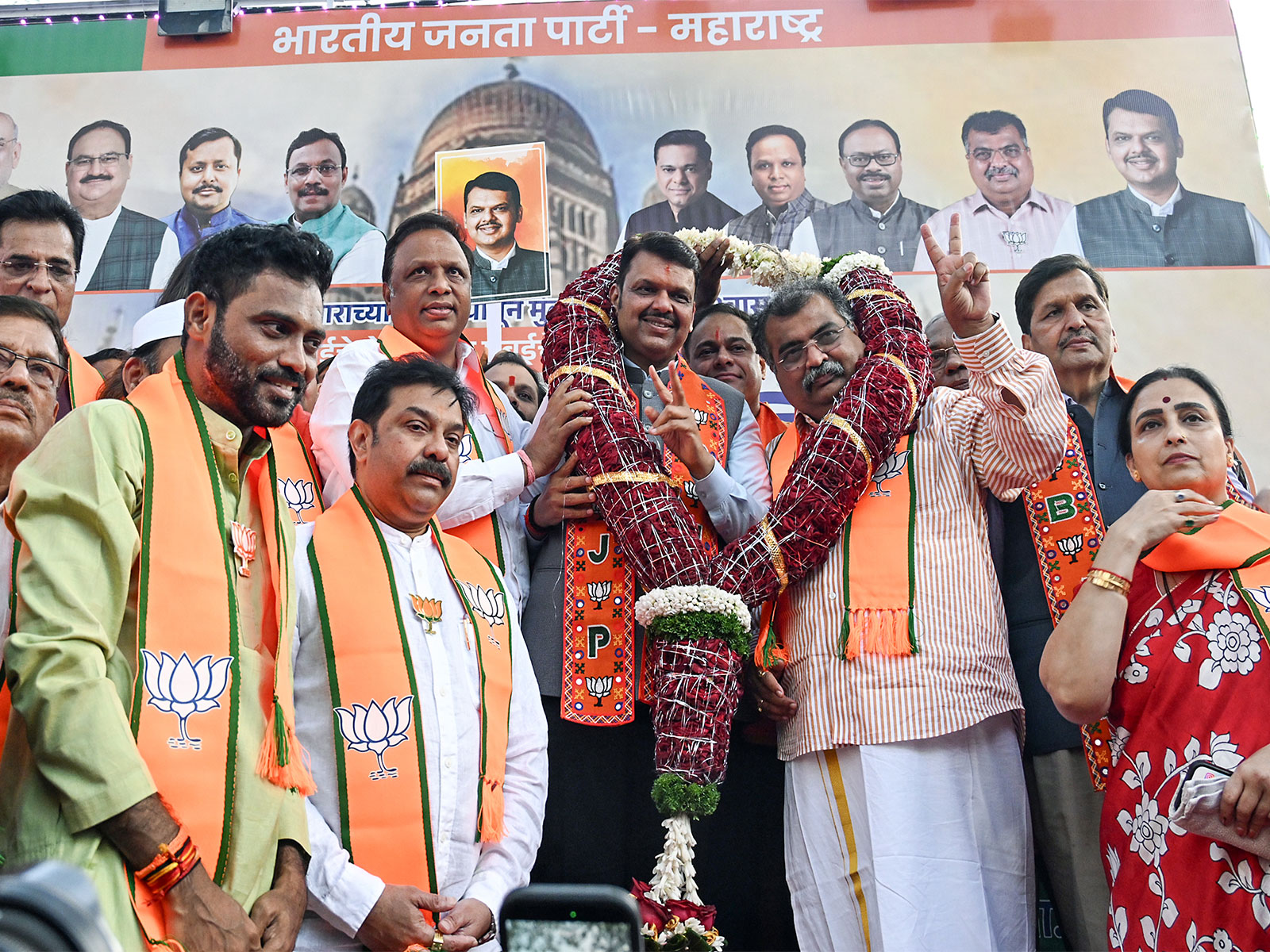
NEW DELHI: Mumbai’s 2026 civic polls have concluded, and the BJP-led Mahayuti alliance has emerged victorious, but the city won’t get a new mayor right away. This may appear puzzling to many residents who watched candidates vie for 227 ward seats in direct elections; yet, it’s the post-election procedure for selecting the mayor that’s slowing things down. The process involves reservation by rotation, a government lottery, and strict legal rules that must play out before any political claim to the mayor’s chair can be formalised.
In Mumbai, unlike ward results where voters choose their corporators directly, the mayor is elected indirectly by the members of the Brihanmumbai Municipal Corporation (BMC). Before any vote or nomination can take place, a lottery decides what category the mayoral post is reserved for—whether it’s for:
- Women
- Scheduled Castes (SC)
- Scheduled Tribes (ST)
- Other Backward Classes (OBC)
- An unreserved (general) category
Only after this draw can candidates be nominated and a mayoral election scheduled.
Why the Delay? The Reservation System Explained
At the heart of the delay is India’s reservation framework for local bodies. The constitutionally mandated system, rooted in the 74th Constitutional Amendment Act, empowers states to reserve posts in urban local bodies—including the office of mayor—for historically disadvantaged groups and women. This ensures broader representation in civic leadership over time.
In Maharashtra, reservation for the mayor’s post is governed by Section 19(1A) of the Maharashtra Municipal Corporations Act, 1949, which states: “There shall be reservation for the office of the Mayor in the Corporation, by rotation, for the Scheduled Castes, the Scheduled Tribes, women and the Backward Class of citizens, in the prescribed manner”.
Unlike fixed reservations for civil service posts or legislative seats, this reservation is determined afresh after each civic election. The law mandates that categories rotate over successive terms so that no single group continually holds the mayoral chair. The rotation system is intended to spread representation equitably across sections of society, including women.
To ensure neutrality and transparency, the state government uses a public lottery (draw of lots) to determine the next reservation category. This lottery does not decide who will be mayor; it only decides which category the mayoral seat will be reserved for in the next term.
Why a Lottery? Ensuring Neutrality and Fairness
One might wonder: Why can’t political parties decide this once elections are over? The reason for a lottery is simple: the law seeks to avoid accusations that reservation categories are being manipulated for political gain.
A lottery introduces an element of randomness and transparency so that no party, government, or coalition can “fix” the reservation in a category that benefits its electoral arithmetic. This is especially important in urban bodies like the BMC, where caste, class, and gender representation remain politically sensitive and socially significant.
Officials from the Urban Development Department (UDD), the authority that conducts the draw, prepare a rotation list based on historical records and legal guidelines before the lottery is held. In 2026, the UDD is expected to conduct the mayoral reservation lottery following publication of the official gazette with the names of newly elected corporators.
Only after the draw is officially notified can the BMC schedule the mayoral election itself. The mayoral election could then be held roughly 10 days after the draw, placing it toward the end of January.
Even if a single party wins the largest number of seats, the mayor’s post doesn’t automatically go to it. Political negotiations, alliances, and internal party decisions influence nomination and support inside the House. In 2026, although the BJP-Shiv Sena (Shinde) Mahayuti has a majority, internal bargaining between allies over who should occupy the chair—and strategic demands such as a Marathi mayor in light of Balasaheb Thackeray’s birth centenary—show how much politics can shape the outcome after the reservation category is known.
How the Mayor is Elected After the Lottery
Once the reservation category is announced, the election process moves forward:
- Nominations: Eligible corporators from the BMC file nominations if they belong to the announced reserved category, or in the case of a general (unreserved) draw, any corporator can file.
- Special Session: The municipal commissioner convenes a special session of the BMC, where all 227 elected corporators vote.
- Simple Majority: The candidate who secures a simple majority—more than 114 votes—becomes the mayor
Political Stakes: Why the Mayor Still Matters
The mayor’s office in Mumbai is a symbolically important post. Often referred to as the city’s “first citizen,” the mayor represents Mumbai at official functions and presides over general body meetings of the BMC. The position is viewed as a political prize, a platform for higher visibility and influence within party ranks.
However, the political power of the mayor is limited in terms of administrative authority. While the mayor serves a term of two and a half years, the real executive powers over civic departments—including sanitation, infrastructure, health, and finances—rest with the Municipal Commissioner, an Indian Administrative Service (IAS) officer appointed by the state government.
The mayor’s formal responsibilities include:
- Maintaining order during council meetings.
- Using a casting vote in case of ties.
- Acting as a liaison between the elected corporators and the municipal administration.
Although the post is largely ceremonial, the political visibility it offers is not insignificant — especially in a city like Mumbai, where civic leadership often intersects with state and national politics.
Historical Context Across India
The reservation of civic posts and the use of lotteries are not unique to Mumbai. Across many Indian states, mayors and chairpersons of municipalities are elected by corporators or councillors, and reservation systems vary based on the 73rd and 74th Constitutional Amendments. These amendments mandated reservations for SCs, STs, and women in local bodies and gave them constitutional status.
In Maharashtra, the law expands this system to include OBCs as well, reflecting state-specific policies on representation. Historical interpretations and court judgments—including a 2021 Supreme Court ruling that clarified how reservation rules must be read in the context of this rotation system—further shape how reservation lists and draws are executed within municipal corporations. Across India, the lottery system ensures periodic rotation so that different categories have a chance to occupy leadership roles over successive terms, contributing to a more inclusive civic democracy.
Broader Impacts: Governance and Citizen Expectations
For citizens, the delay in installing a mayor may feel like procedural red tape. But for political scientists and legal experts, this reflects the balancing act between democratic representation and neutrality guaranteed by law.
Many Mumbaikars express frustration that these legal formalities—although constitutionally mandated—lead to weeks of uncertainty after an election, which itself takes months of campaigning and voting. For civic activists and governance experts, the greater challenge lies in strengthening the powers of urban local bodies, including the mayor, so that cities like Mumbai can respond more effectively to infrastructure, housing, transport, and public health needs. Many argue that until civic leadership has more executive authority, procedural delays—while legally sound—can hamper timely decision-making at the metropolitan level.
Conclusion: A Democratic Process with Legal Precision
Mumbai’s wait for a new mayor is not just about political tussle between allies; it is rooted in a legal and constitutional procedure designed to ensure fair representation and prevent manipulation of civic posts. The reservation lottery followed by nomination and voting within the BMC may stretch over days or even weeks, but it is a product of India’s commitment to inclusive local governance under the 74th Amendment and state municipal laws.
For Mumbai, this means the new mayor will be chosen not just by raw electoral numbers but by the intersection of law, representation, and the lottery of reservation. And in a city as diverse and complex as India’s financial capital, that process, however slow, reflects the layered nature of its democracy.