
Walking down the supermarket oil aisle can feel overwhelming. From budget bottles of sunflower oil to pricier avocado and coconut oils, the choices are endless, and the health claims are confusing. For better decisions, you need to move past marketing claims and learn the facts on fats. Cambridge nutrition specialist Professor Nita Forouhi simplifies the science, offering useful tips for everyday cooking.
Why Does the Type of Fat in Oil Matter?
The main points of contention surrounding cooking oils are the various kinds of lipids they contain and the ways in which these interact with our bodies. Some fats can raise levels of “bad” cholesterol, a natural fatty substance that, in excess, can lead to a build-up in blood vessels. The risk of heart disease rises as a result of their narrowing or blocking. Other fats, on the other hand, actively work to reduce this harmful cholesterol. Understanding this simple distinction is the first step to choosing an oil that supports, rather than harms, your cardiovascular health.
Is Sunflower or Vegetable Oil Bad for You?
These widely available and reasonably priced oils are frequently criticized for being overly processed and causing inflammation. However, Professor Forouhi states there is no evidence to back this up. In fact, rapeseed oil (often sold as vegetable oil) and sunflower oil are “absolutely good for us.” They are low in unhealthy saturated fats and high in beneficial mono- and polyunsaturated fats. These polyunsaturated fats, including omega-3 and omega-6, are essential for brain and heart health, especially when they replace saturated fats like butter or lard in your diet.
Also Read: Top Hill Getaways to Explore This October in India | Plan Your Next Weekend
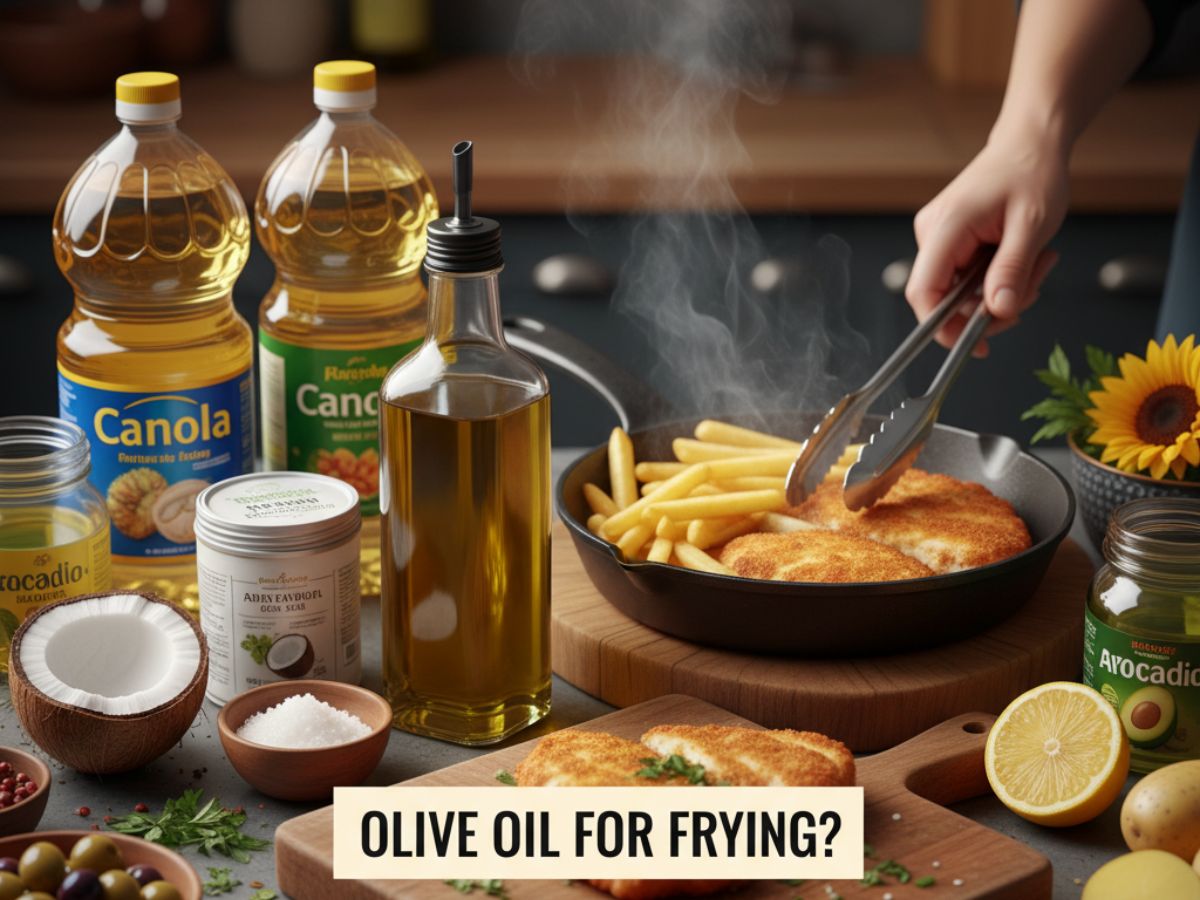
Should You Use Olive Oil for Frying?
This is a common point of confusion. Extra virgin olive oil is packed with antioxidants, but its low “smoke point” makes it unsuitable for deep-frying. The smoke point is the temperature at which an oil starts to break down, releasing unpleasant flavours and potentially harmful compounds. A simple, non-virgin olive oil is a good option for shallow frying. However, experts advise using vegetable or sunflower oil for high-temperature cooking, such as deep-frying chips, because these oils can tolerate the heat without degrading, making them a safer and more efficient choice.
Is Margarine a Healthy Alternative to Butter?
Margarine has shed its bad reputation. Professor Forouhi explains that while older versions contained harmful trans fats, modern margarines have “close to zero amounts.” This makes them a viable part of a healthy diet that can help reduce bad cholesterol. This doesn’t mean you must eliminate butter entirely. The key is moderation. If you love butter on toast, you can have it, but for cooking, consider swapping it for an oil with less saturated fat to help you stay within recommended health guidelines more easily.
What is the Simple Strategy for Choosing Oils?
You don’t need a cabinet full of expensive bottles. For a simple and healthy kitchen strategy, consider the following uses:
Everyday Cooking: Sunflower or rapeseed oil are affordable, healthy, and versatile.
Salads & Finishing: Use extra virgin olive oil to add flavour and health benefits to cold dishes.
Deep Frying: Always choose a high smoke point oil like vegetable or sunflower oil.
Professor Forouhi ultimately cautions against becoming fixated on a single bottle. It is suggested that you pay attention to your entire diet, consider factors like flavor and cost, and try a variety of oils to see which one works best for you and has the greatest health benefits.
Disclaimer: This article shares general dietary information but should not replace professional medical advice.