
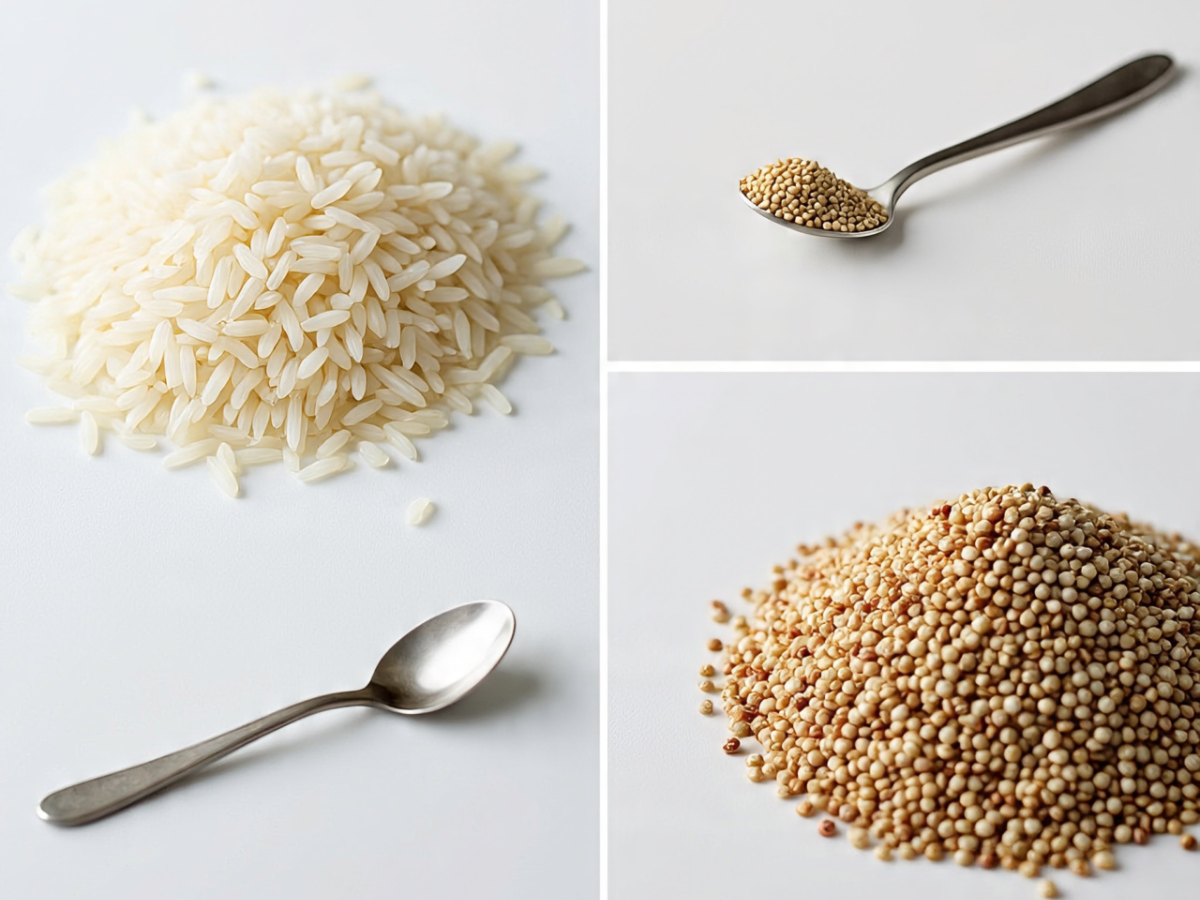
For centuries, rice has been a staple food among cultures, and billions consume it daily. In the last few years, though, quinoa was the world’s “superfood” with great nutritional value and adaptability. Both grains are present on today’s diet plate, but when you are deciding between the two, the decision is not always simple. Let’s de-mystify their nutritional, health, and lifestyle differences to help you decide which one needs to show up on your plate.
Nutritive Value
White rice, in particular, is high in carbs and provides quick energy. However, it is not so nutrient-dense compared to whole grains. Brown rice, which is healthier, retains the bran and germ, giving fiber, magnesium, and vitamins B.
Quinoa, on the other hand, is a complete protein food—i.e., it contains all nine essential amino acids, which is an unusual trait in plant foods. Quinoa is also a great source of fiber, iron, magnesium, and antioxidants. Quinoa contains more protein and fiber per serving than rice and is thus perfectly ideal for those who are fanatic about balanced diets.
Digestibility and Satiety
Rice, especially white rice, is easily digestible and would not give such stomach discomfort. It is a recovering food item for those who have been sick or possess poor digestion. Rice has the demerit that it gets better digested very quickly, giving one hunger pangs within an hour of consuming food.
Quinoa’s higher protein and fiber levels slow the rate of digestion, which makes you feel satiated for longer. This is why quinoa is a better option for weight loss and individuals who don’t want to overeat. However, because it has a higher fiber level, quinoa can make you feel fuller in your stomach for some individuals if eaten in excess.
Health Benefits
Rice: Brown rice is cardiovascular-friendly, regulates blood sugar better than white rice, and enhances digestion through its fiber. Rice has been not just conceived as food but also as a cultural symbol of sustenance in Asian culture.
Quinoa: The Incas referred to quinoa as the “mother grain” due to its numerous health benefits. It may reduce the risk of chronic diseases due to its antioxidants, aid in muscle recovery due to its high protein content, and stabilize blood sugar levels due to its low glycemic index.
ALSO READ: How to Make the Perfect Avocado Toast in 15 Minutes
Culinary Versatility
Rice is a global favorite. It pairs well with curries, stir-fries, lentils, and meats. From Japanese sushi, Italian risottos to countless other cuisines, rice has impacted countless dishes.
Quinoa is equally versatile but has a tendency to lean towards recent, health-focused recipes. It remains versatile in salads, soups, Buddha bowls, or even as a breakfast porridge substitute. Its subtle nutty flavor makes it suitable for both savory and sweet dishes.
ALSO READ: Skyrocketing Demand Causes Global Shortage of Matcha
Lifestyle Considerations
For budget-conscious individuals or where rice is easily sourced, rice is easier. It’s cheap, easy to make, and easily accessible everywhere. Quinoa, while being extremely healthy, is also pricier and at times less readily available in local markets. But vegetarians, vegans, and health food buffs have better nutrition offered by quinoa which is worth the price tag.
ALSO READ: Trippy Tequila to Host Noida’s First-Ever Trippy Fake Wedding on July 12