Government of India initiated Pradhan Mantri Bhartiya Janaushadhi Pariyojana (PMBJP) to offer low-cost quality generic drugs by means of Jan Aushadhi Kendras (JAKs). The scheme flaunts of a potential to greatly reshape healthcare access and costs in India with far-reaching consequences.
Impressive Numbers, Target 20,000 Kendras
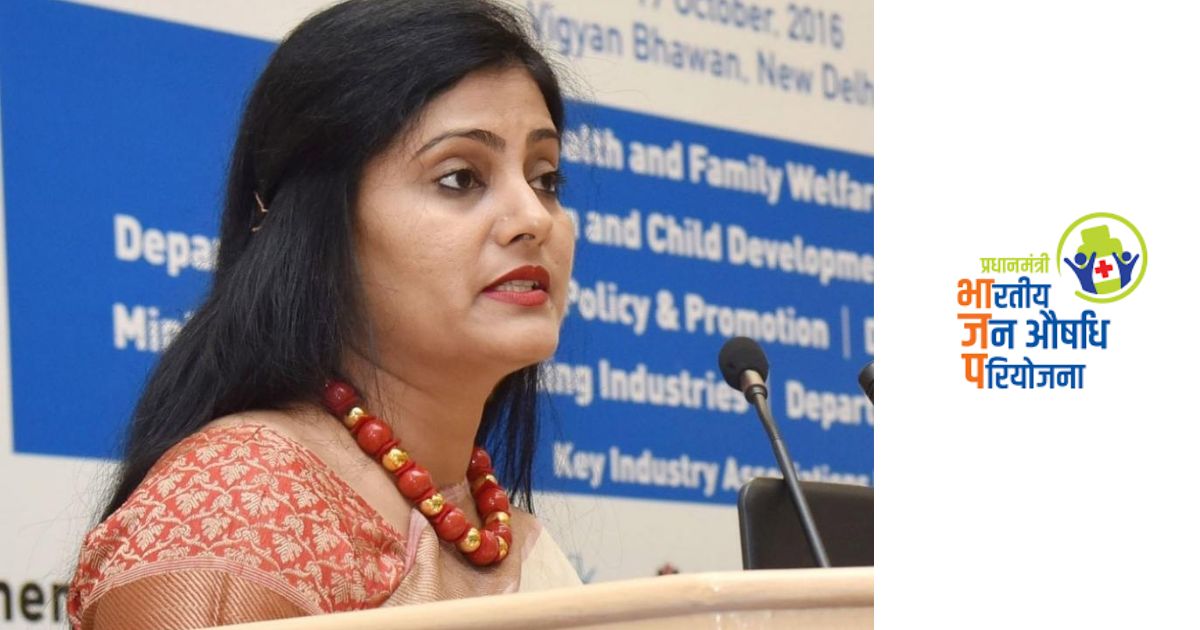
As of June 30, 2025, there were 16,912 Jan Aushadhi Kendras (JAKs) operating nationwide, saving people about ₹38,000 crore when compared to the prices of branded medications, according to Smt. Anupriya Patel, Union Minister of State for Chemicals and Fertilizers. Without establishing state-specific goals, the government has set the ambitious goal of increasing this number to 20,000 Kendras by March 31, 2026, allowing for flexible expansion based on local needs.
Currently, 2,110 medications and 315 surgeries, medical supplies, and equipment make up the scheme’s product basket. These items span important therapeutic areas like cardiovascular, anti-cancer, anti-diabetic, anti-infective, anti-allergic, and gastrointestinal medications. By March 2026, this basket is expected to have grown to include 2,200 medications and 320 surgical and related supplies.
Future Plans to boast
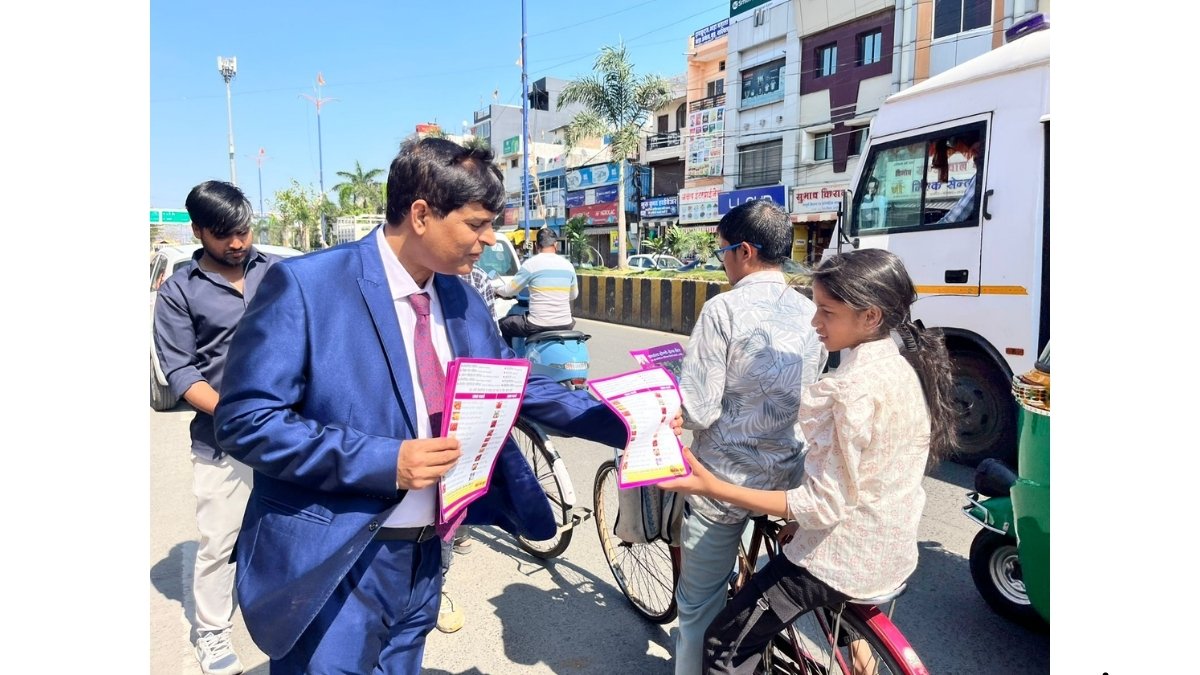
The Government plans to identify areas for development and operational issues that need to be worked on judiciously. For example, extending last-mile delivery to rural and remote areas and maintaining consistent supply and quality across all Kendras are crucial for long-term success. Reinforcing the propagation of generics-awareness campaigns to dispel myths about generics as being inferior in efficacy continues to be a priority area.
In addition, using digital technologies for order and inventory management in Kendras can enhance efficiency and availability of stock. Synergistic effort with states to integrate Jan Aushadhi medicines into public health programs can enhance impact, facilitating smooth delivery of primary care.
The Reality Check: Much Beyond Numbers
Though the PMBJP supports the local pharmaceutical sector, particularly India’s position as an international supplier of generic drugs, through encouraging competition and standards of quality consistent with WHO Good Manufacturing Practices and stringent testing.
Still, the ‘Devil is in the Details’. The optics raise alarming issues in a number of cities, particularly in North India. Patients’ access to reasonably priced medications is severely limited because many Kendras are closed for extended periods of time or do not carry essential life-saving medicines. According to reports, there may have been collusion between pharmaceutical companies promoting branded medications and certain local Kendra operators, undermining the government’s goal of providing affordable healthcare. This suggests weaknesses in the supply chain, and the urgent need for more stringent oversight to guarantee that these outlets successfully carry out their mandate. The promise of the plan runs the risk of being undermined in practice if these problems are not resolved.