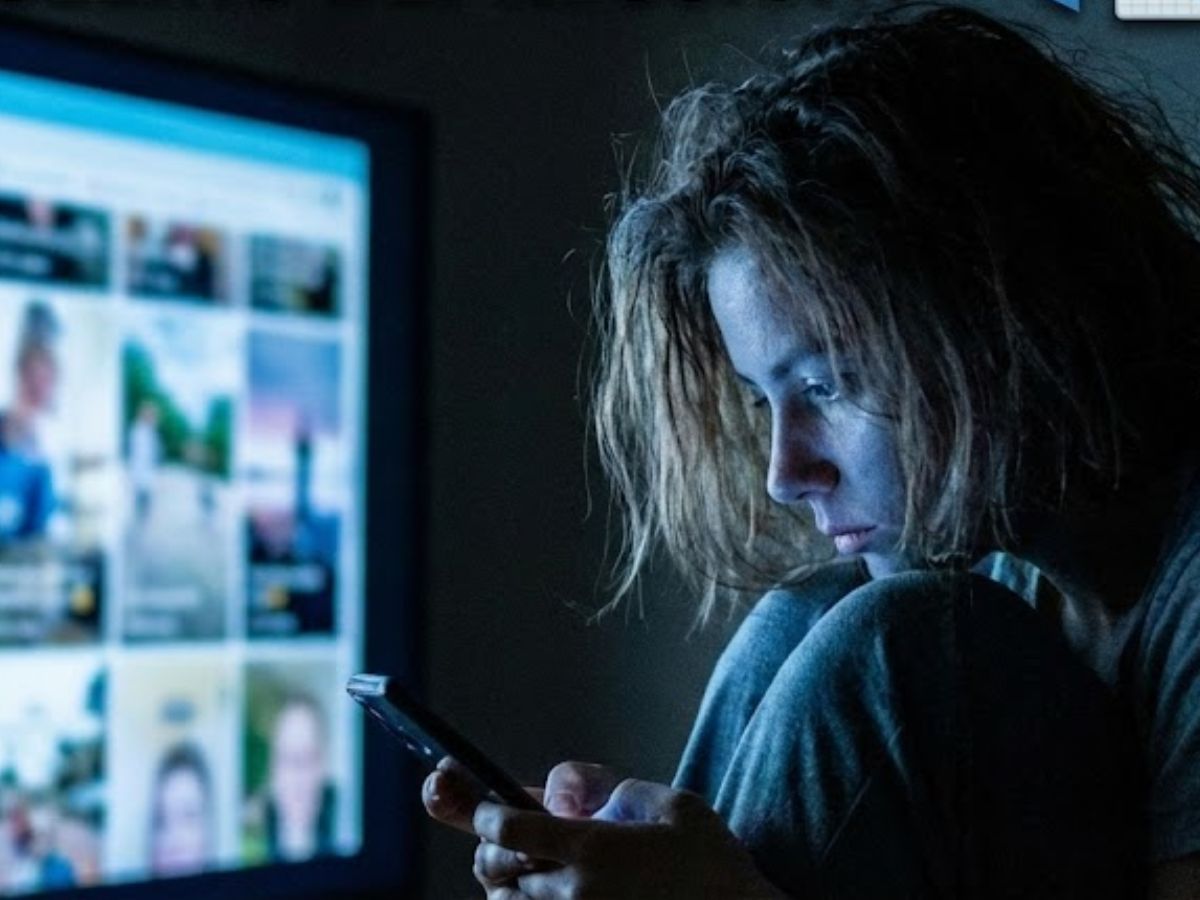
Do you often end up scrolling through Reels and TikTok without realizing how much time has passed? That small habit might be rewiring your brain in harmful ways. A major new study of more than 98,000 people has confirmed a clear connection between short-form video use and higher levels of depression, anxiety, stress, and loneliness.
What Did This Massive Study Actually Find?
Researchers gathered information from 71 separate studies to see how apps like TikTok and Reels influence us. They analyzed the screen habits of young people and adults and compared this with different mental and cognitive health measures. The results were very clear. The research concluded that higher consumption of short-form content is consistently associated with poorer mental health. But it doesn’t stop there; it also hurts our ability to focus, with a majority of subjects showing a poorer attention span.
Also Read: Russia Threatens Total WhatsApp Ban Amid National Security Concerns
How Do Short Videos Create a ‘Dopamine Loop’?
The real danger lies in the very design of these platforms. The study explains the powerful neurological mechanism at play. “According to the authors, “constantly swiping and receiving new, stimulating videos may cause the brain to release dopamine.” Dopamine is linked to pleasure and reward. This sets up a loop where your brain treats every swipe as a tiny reward, pushing you to repeat the behavior. As this continues, it encourages habitual scrolling and emotional dependence, making it difficult to break the habit.
Why Is It So Hard to Put the Phone Down?
This isn’t just about willpower; it’s about interface design. The researchers note that the endless scroll feature, which lets users consume video after video without a natural stopping point, raises serious “concerns about addiction and negative health implications.” This habitual engagement is linked to heightened stress and anxiety. Many users report real difficulties in disengaging and then struggle to regulate their emotions once they are back in offline settings, feeling unsettled and irritable.
How Does Doom-Scrolling Affect Your Sleep?
The damage often continues into the night. Experts have long warned about the ill effects of screen time before bed, and this study reinforces that warning. “Consumption of SFVs in the hours before bedtime has been linked to disrupted sleep quality,” the authors wrote. The blue light from our screens blocks melatonin and serotonin, the hormones that control sleep and mood. This starts a harmful cycle—you scroll because you’re stressed, but the scrolling ruins your sleep, which then makes you more stressed and anxious the next day.