
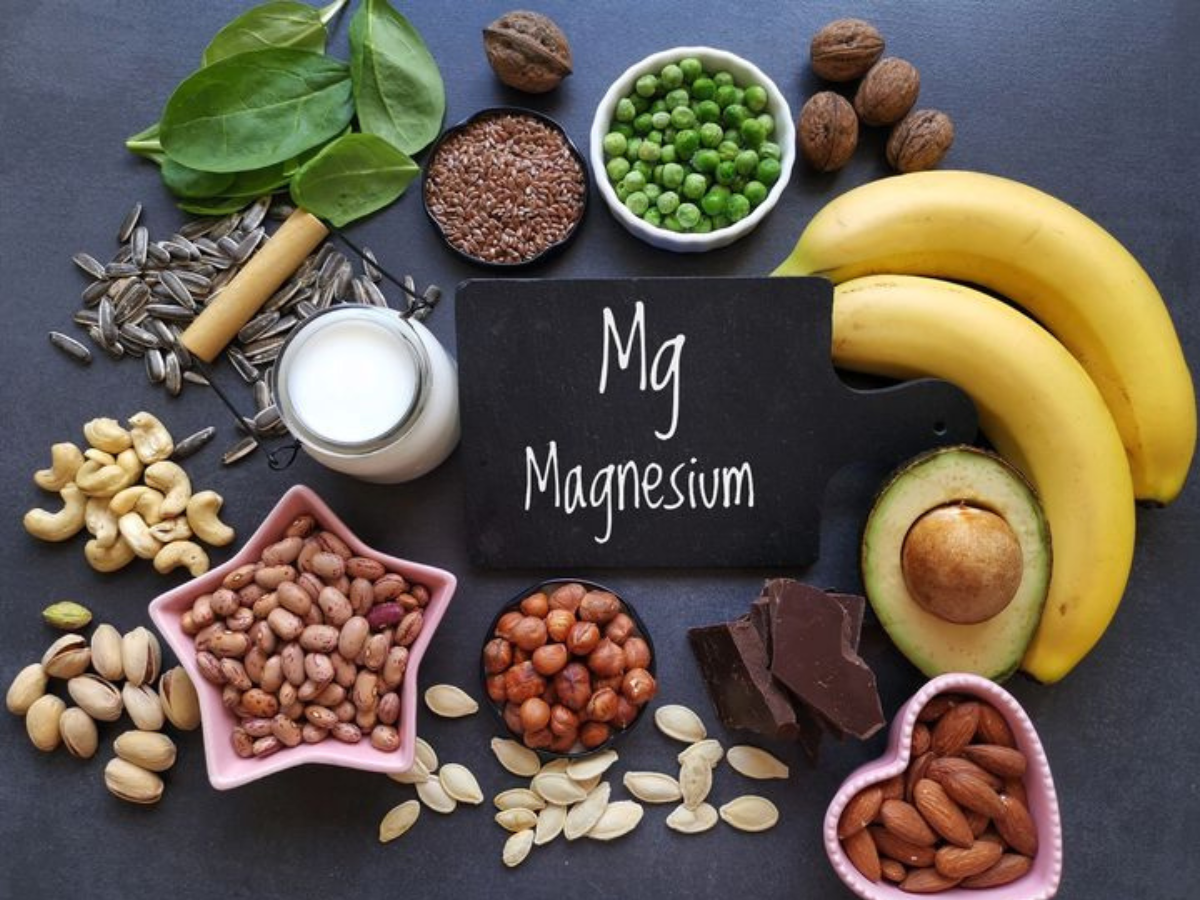
The clinical trial was done recently at the Vanderbilt University Medical Center and this study brought up magnesium as the supplement that mediates the relationship of some gut bacteria needed in vitamin D synthesis.
The trial which appeared in The American Journal of Clinical Nutrition, demonstrates how magnesium helps vitamin D levels in the blood and also at the gut level and it may reduce the risk of colorectal cancer.
How is the Magnesium Connection Gut Microbiota & Vitamin D Synthesis?
The previous studies have shown that magnesium boosts vitamin D levels in the blood serum and this trial unveiled a more subtle mechanism that magnesium assists in the development of particular gut microbes, which support vitamin D synthetically within the limits of the intestines.
ALSO READ: Could An Abortion Drug Become A Game-Changer In Breast Cancer Prevention, Experts Say
The Production of vitamin D in loco may prove crucial for the reduction of risk in colorectal cancer patients and mainly in environments with limited sunshine exposure. The special attention stemmed from the TRPM7 gene which affects how magnesium and calcium enter cells and is thus part of the beneficial microbiota.
Why Women are more Responsive to Magnesium?
The most surprising outcome of the trial was that it differed between men and women so in women, there was a greater increase in beneficial gut bacteria resulting from magnesium supplementation.
The scientists suggested that the difference could be caused by estrogen enhancing cellular uptake of magnesium which allows for increased microbial activity and guts vitamin D synthesis. This interaction may well explain why women have so much greater protective benefits from magnesium in this case.
ALSO READ: Is Enteromix vaccine is The Unexplained Answer For cancer Patient In Future?
How TRPM7 Function & Personalizing Cancer Prevention?
The study has 236 subjects with personal history of colorectal polyps were followed up for over three years and participants who had fully functional TRPM7 genes showed noticeable increase in specific bacteria such as Faecalibacterium prausnitzii and Carnobacterium maltaromaticum which both would typically support vitamin D production as well as protection against colorectal cancer.
Those with less effective TRPM7 functioning still had benefits from magnesium supplementation in that lower levels of harmful bacterial exposure were observed and indicating a potential avenue of prevention against these conditions among genetically susceptible individuals.
There are also some possible hope pathways for personalized colorectal cancer prevention in the near future as magnesium plays a fundamental role in developing a healthy gut microbiome and vitamin D synthesis.
ALSO READ: Adults who have survived childhood cancer are at high risk of severe COVID 19
Disclaimer: This article is for informational purposes only and does not substitute professional medical advice. Consult a healthcare provider before supplements.