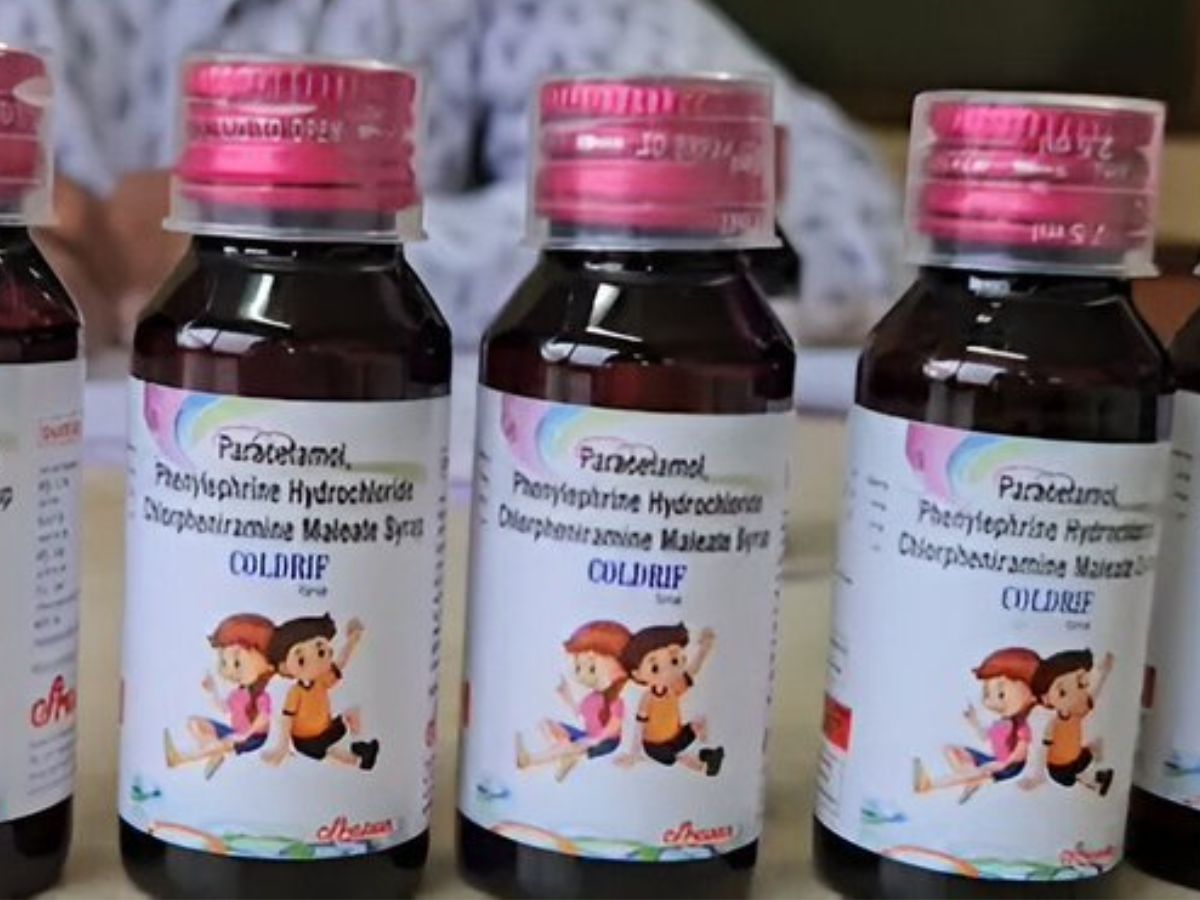
The recent Coldrif cough syrup incident has once again highlighted serious gaps in India’s drug safety system. According to Dr. Lancelot Pinto, a consultant respirologist at P D Hinduja National Hospital, understanding the causes of contamination and proper use of cough syrups is crucial to prevent such tragedies.
What Happened with Coldrif Cough Syrup?
Coldrif cough syrup has been linked to the deaths of at least 14 children across Madhya Pradesh, Rajasthan, and Kerala. Laboratory tests revealed that the syrup contained 48.6% diethylene glycol (DEG)—almost 500 times above the safe limit.
How Toxic Chemicals Affect Children
DEG and ethylene glycol (EG) are industrial solvents used in antifreeze, paints, and brake fluids, and they are not safe for human consumption. Some unethical manufacturers use these cheap substitutes instead of safe ingredients like glycerol. Children are particularly vulnerable because of their low body weight and limited ability to metabolize or excrete toxins. High doses of DEG can cause:
- Kidney failure within a day
- Liver and pancreas failure
- Seizures and neurological problems
- Multiple organ failure due to blood acidity
- Even if a child survives, long-term health complications are highly likely.
Dr. Pinto clarifies that Coldrif was not a banned syrup, and the combination of ingredients is safe if manufactured properly. The deaths were caused by adulteration, not medical malpractice. Therefore, doctors should not be blamed for prescribing the syrup. Over-Prescription of Cough Syrups, it may create cause
India’s cold and cough remedies market generated $1.49 billion in 2024. Overuse is common due to excessive prescriptions by doctors and over-the-counter purchases. Many coughs are self-limiting or require treatment of the underlying cause (such as reflux, asthma, or post-nasal drip) rather than syrups.
Dangers of Over-the-Counter Cough Syrups are evident. Cough syrups often contain opioids or antihistamines, which can be dangerous: Opioids: Risk of addiction, should never be given to children or the elderly. Antihistamines: Can cause drowsiness, cognitive impairment, falls, and serious injuries. In children, even a few milliliters over the recommended dose can be dangerous.
Also Read: Child Deaths Spark Panic: Why Coldrif Has Been Banned in Multiple States
Are Cough Syrups Effective?
Bronchodilators like terbutaline help in coughs caused by bronchospasms, but inhalers are safer and more effective. Opioid cough syrups are only effective in rare cases and should not be used in children or elderly patients.
Syrups may soothe the throat due to viscosity, but alternatives like honey, chocolate, or non-medicated lozenges can provide similar relief.
When Should Cough Syrups Be Used?
A cough is a natural defense mechanism that helps clear mucus. Guidelines include:
- Acute cough due to infection: Usually self-limiting, does not need treatment. Chronic cough (lasting 4–6 weeks or more): Requires investigation for causes like asthma, reflux, or post-nasal drip
- Refractory coughs: In rare cases, opioid syrups may be used under supervision
- Children under 5 years old should generally avoid cough syrups due to high risk from incorrect dosing.
Are Herbal Syrups Safe?
The label “herbal” or “natural” does not guarantee safety. Only products that undergo rigorous scientific testing should be trusted. Noone should give these doses to their children without doctor’s prescription and suggested doses to their children’s age.
Also Read: Centre Holds Emergency Meeting After Children Die From Contaminated Cough Syrup in MP, Rajasthan
Disclaimer: The above given informations are based on public websites and portal and for informational porpose only.