
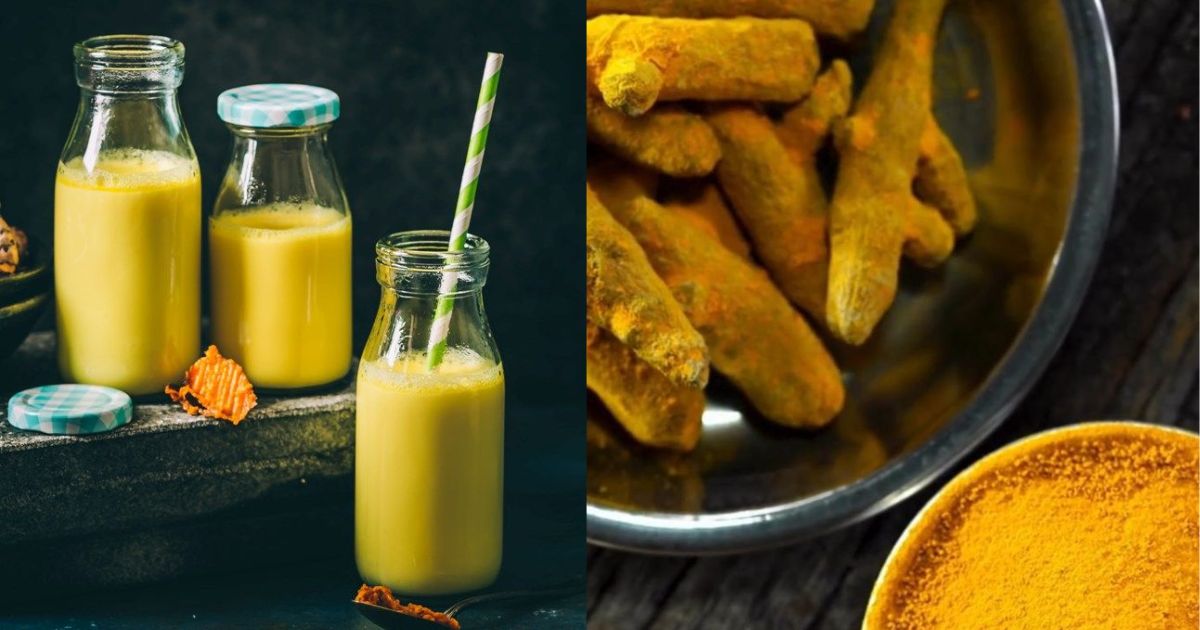
What was once a grandmother’s healing recipe in Indian kitchens has now brewed its way into coffee chains and boutique cafés across the globe. The turmeric latte—a frothy, golden-hued drink also known as “haldi ”doodh”—has become one of the most sought-after health beverages in the world, making waves from Brooklyn to Berlin.
The question is, how did a humble, home-brewed drink steeped in Ayurveda leap into international menus and Instagram feeds?
From Ancient Remedy to Modern Trend
Turmeric has long been used in Indian homes; it is prized in Ayurveda for its anti-inflammatory, antioxidant, and immunity-boosting properties. Traditionally consumed with warm milk to treat colds, coughs, and digestive discomforts, its therapeutic value was well known—but not always globally understood.
That began to change as wellness influencers and nutritionists started to spotlight “golden milk” as a superfood drink. For a generation that was becoming more and more interested in holistic living, its claims of healing properties, glowing skin, and even cognitive help made it an easy sell.
Cafés Are Ditching Coffee for Curcumin
Health-conscious urbanites are now choosing turmeric lattes over cappuccinos and flat whites—not just for the glowing color but for the functional benefits.
Popular cafés have started crafting gourmet versions of the drink, adding ingredients like cinnamon, ginger, black pepper (to boost turmeric’s bioavailability), and dairy alternatives like oat or almond milk. The result? A drink that’s not only aesthetically pleasing but also deeply comforting—and said to be good for the gut.
The Pandemic Boost
While turmeric lattes had begun gaining traction even before 2020, the COVID-19 pandemic acted as an accelerant. The global wellness industry turned its focus sharply toward immunity, and turmeric—with its time-tested role in enhancing body defense—flew off the shelves.
According to reports, sales of products based on turmeric rose significantly in the months following the initial wave as Eastern immunity-building techniques gained appeal overseas.
Science Says Yes
For ages, traditional medicine has utilized turmeric’s main component, curcumin, to enhance joint health, promote metabolic balance, and lessen inflammation. Recent research has started to corroborate this theory. Experts warn that absorption is crucial, though. Healthy fats or black pepper are frequently suggested to improve the body’s absorption of curcumin.
A Cultural Reclaim or Western Repackaging?
While many celebrate the drink’s rise, some voices are calling for cultural sensitivity. The resurgence of the turmeric latte in the West, according to critics, frequently results in the erasure of its origins, a renaming devoid of context, and the charging of high costs for something that Indians have been consuming for free for decades.
Others, however, interpret the latte’s international appeal as evidence that India’s rich culinary and medical traditions are finally receiving recognition on a worldwide scale.
So, Should You Drink It?
In moderation—absolutely. Especially if you’re looking to cut down on caffeine and want a warming alternative packed with antioxidants. Just keep in mind that while it’s not a magic remedy, it can be the reassuring cup your body has been waiting for.
Final Sip
Turmeric lattes are more than just a passing fad; they are a brilliant illustration of how age-old wisdom can flourish in a contemporary cup. And whether you drink it to boost immunity, post on Instagram, or simply to feel better, its popularity serves as a reminder that sometimes the best medicine truly does come from your kitchen.
mes from within.