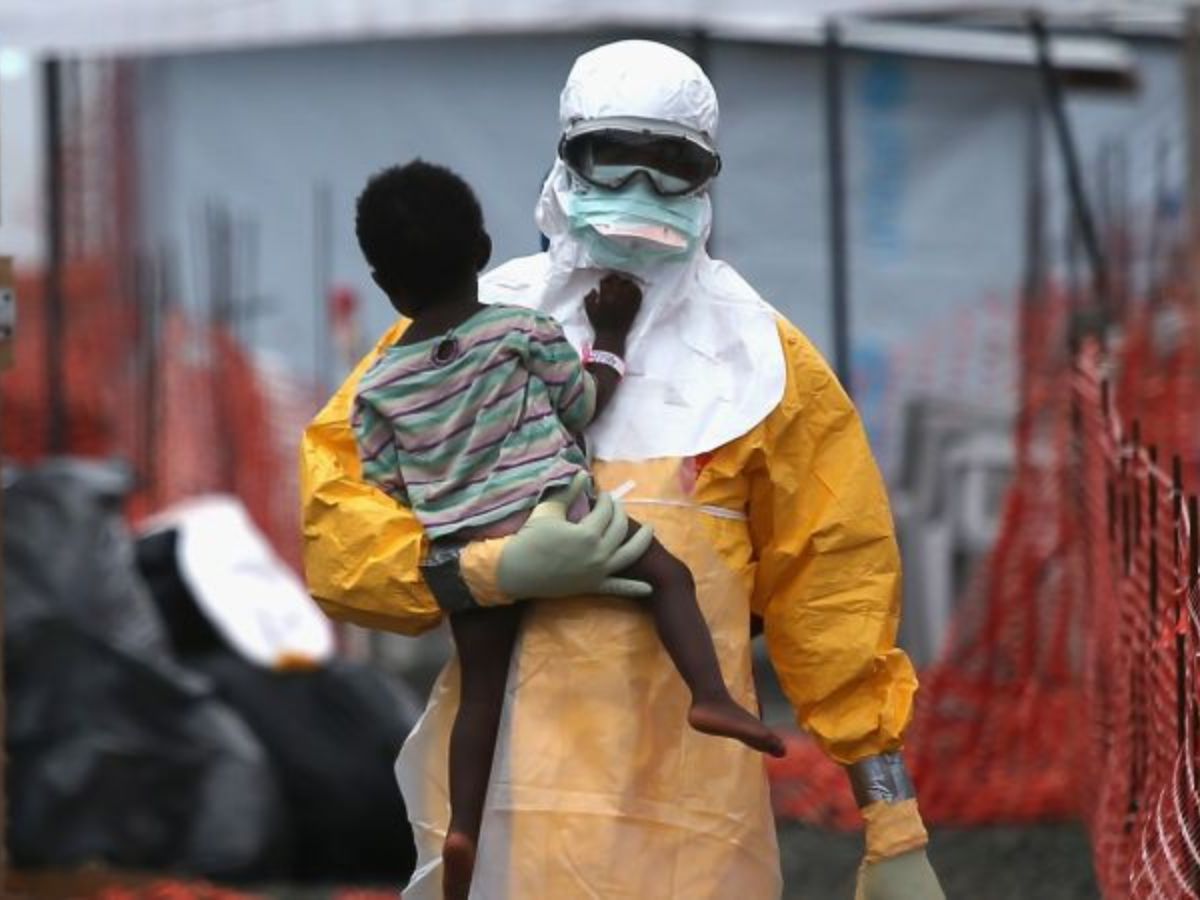
A familiar and deadly threat has re-emerged in the heart of Africa. The Democratic Republic of Congo (DRC) has declared a new outbreak of the Ebola virus, its first in three years, following the confirmation of the deadly Zaire strain.
According to the health ministry, there have been 15 fatalities and 28 suspected cases; the WHO warns that these figures are expected to increase if transmission continues.
How Did This Outbreak Start?
The initial alarm was raised when a 34-year-old pregnant woman was hospitalized on August 20 in the Kasai province. She presented with classic and severe Ebola symptoms: high fever and vomiting. This single case triggered a swift investigative response. Samples tested on Wednesday confirmed the worst fears: the Zaire strain of the Ebola virus, one of the most dangerous, was present.
Ebola is a rare but often fatal viral hemorrhagic fever. It spreads through direct contact with the blood, secretions, organs, or other bodily fluids of infected people. Rapid containment is essential in close-knit communities due to the high death rate and ease of transmission.
Why is Congo So Vulnerable to Ebola?
This is not a new battle for the DRC. The country has a tragic history with the virus, having recorded over a dozen outbreaks. This new event marks the first since 2022. The horrific outbreak in the country’s east from 2018 to 2020, which claimed around 2,300 lives, is still very much in the public consciousness. Despite the tragedy, Congo’s health officials and foreign partners are now among the most skilled in the world when it comes to responding to Ebola.
Also Read: Why a Proposed Trans Gun Ban Faces Legal Hurdles and Contradicts Crime In US
What is Being Done to Contain It?
The global and national response has been activated with remarkable speed, leveraging lessons learned from past outbreaks. A multifaceted initiative to assist the DRC has been announced by the WHO:
- Vaccination: 2,000 doses of the highly effective Ervebo vaccine are being transported to Kasai to immediately begin vaccinating contacts of the infected and frontline health workers, creating a protective ring.
- Medical Supplies: The organization is delivering two tons of critical supplies, including mobile laboratory equipment to test samples on-site and essential medical provisions.
- Treatments: Congo itself maintains a stockpile of Ebola treatments, which will be deployed to treat confirmed cases and improve survival rates.
Health professionals are rushing to isolate victims, track down contacts, and stop the outbreak from spreading into a larger problem as all eyes are on the Kasai province.