
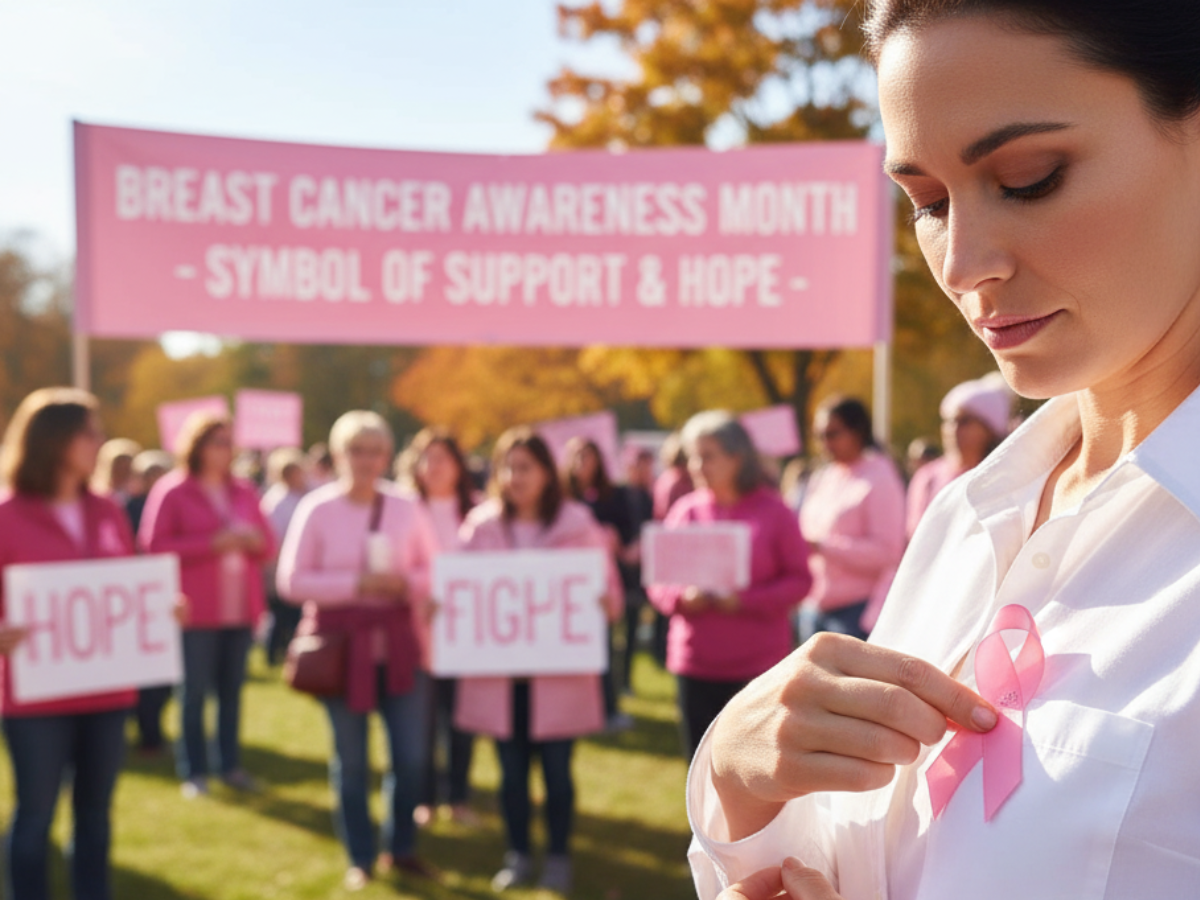
October is the month which brings a touch of pink and Breast Cancer Awareness, a time to remember those struck by this disease, stimulate hope and renew commitments for ease of access. The theme of Breast Cancer Awareness Month 2025 is ‘Every Story Is Unique, Every Journey Matters’ and this means that breast cancer comes in many manifestations where each life demands dignity, care and support.
What is the Breast Cancer?
Breast cancer is the product of change in the form of cells within the breast start multiplying uncontrollably, forming lumps. For the most part, these transformations are born in the ducts or the lobes of the breast. As they grow and spread beyond the breast, the cells become malignant since breast cancer presents a global picture of being the most prevalent form of cancer detected in women, it also takes the second position in cancer mortality among women. Symptoms can vary on common early signs include lumps, swelling, changes in shape, skin dimpling, changes in the nipple, discharge or persistent pain.
What is the Breast Cancer Awareness Month?
October is always marked as the Breast Cancer Awareness Month also known as the “Pinktober” month. It stretches well beyond the ribbon campaign and is more about worldwide mobilization for creating awareness for communities. The focus is also on induced support to customize the affected, raising research and prevention intervention monies for therapy by Hospitals, NGOs, governments and communities worldwide hold walks, screenings, educational affairs and campaigns to erode stigma and encourage equitable access to care.
ALSO READ: PCOS vs PCOD: What’s the Difference & Why It Matters for Women’s Health
Significance on Promoting Awareness & Taking Action
As few as five years from now 2025 could see hundreds of thousands of new cancers diagnoses in women, of breast cancer alone. Early diagnosis is pivotal in improving the outcome for the patient. Women lack the awareness of screening technics or are kept away by fear and misinformation particularly in low‑ and middle‑income countries. Awareness month campaigns encourage action self-examination, getting medical help, providing support to save lives of patients and pushing legislation. Awareness is truly powerful only when it leads to decisions being made and treatment given that saves patients lives.
What is a Pink Ribbon?
A pink ribbon stands for global awareness in breast cancer. It exists as a means to gender solidarity, respect, remembrance and hope. Pink was chosen purposefully women, compassion, health and optimism the patient groups, non-profits and health-themed organizations have given out countless numbers of pink ribbons and employed pink in fundraising through product, events and campaigns to spark dialogues which pictorially show a common front to well-wishers across cultures and geographic boundaries.
Lifestyle Tips for Reducing Breast Cancer Incidence
The lifestyle cannot promise 100% protection still; research has proven that specific habits can reduce risk. These include:
- Maintain a healthy weight after menopause
- Eat a balanced diet rich in fruits, vegetables, whole grains and proteins
- Exercise regularly and try hitting the 150-minute mark of moderate exercising per week
- Limit alcohol consumption and resist smoking altogether
- Breastfeeding upon childbirth
- Follow the screening schedules advised by health guidelines.
ALSO READ: Harvest Moon 2025: When & Where to Watch October’s Brightest Supermoon in India
All these measures work well for general well-being, and they could potentially stem cancer risk.
What are Early Detection of Breast Cancer?
The breast cancers develop without visible symptoms early detection is crucial through standard mammography techniques that, by using low‑dose radiation to the breast can indicate any change within the breast long before being felt or discovered during any physical examination. Programs normally recommend all women to be screened every year between 45 and 54 and beyond the age of 54, screening could be done every two years. Early detection increases the opportunity for treatment success, lessens the chance of dying and spares patients many care options.
What are Risk Factors for Breast Cancer?
Each woman carries her own risk with a few factors increase the chances of breast cancer among women:
- Increased risk after 50 Years
- Close relatives diagnosed at a younger age
- Genetic mutations mostly BRCA1, BRCA2
- Hormonal or reproductive history early menarche, late menopause, late first childbirth or few pregnancies
- Lifestyle factors like Obesity, physical inactivity, alcohol consumption and smoking
- Past negative breast health issues like atypia, prior benign or malignant diagnosis
Awareness of these risks cannot alter genetics or age this would make aware decision‑making for women and health practitioners to scrutinize a matter more vigilantly and act proactively.
ALSO READ: How Magnesium Supplements Could Reduce Colorectal Cancer Risk Through Gut Health
Disclaimer: This article is for informational purposes only and not medical advice. Please consult a healthcare professional for diagnosis or treatment guidance.