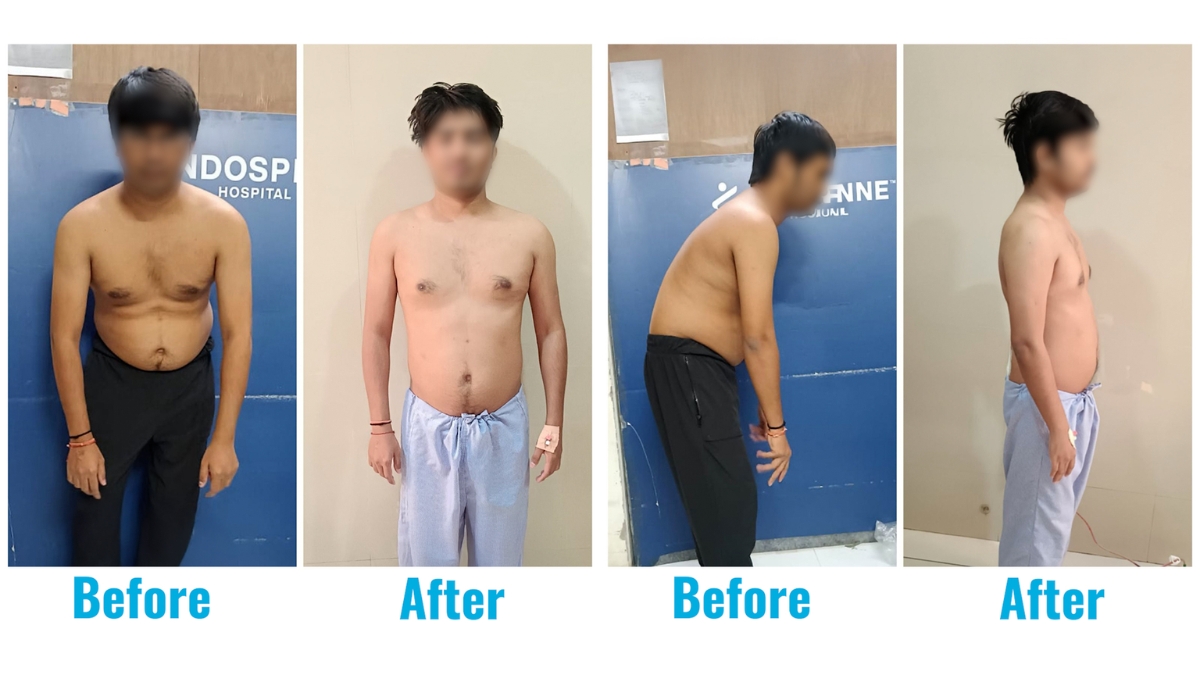
Ahmedabad (Gujarat) [India], December 20: A 31-year-old cybersecurity professional from Ahmedabad, like many young office workers across the country, spent most of his day on a chair, back-to-back meetings, deadlines, and a lifestyle that allowed everything except movement. What began as a mild ache slowly grew into a silent burden, until one morning his body refused to straighten. He arrived at IndoSpine Hospital bent forward, struggling to walk, frightened that his professional life and financial stability were at risk because his spine could no longer support him.
His story is not an exception; it is a growing socio-economic reality. India’s working population now spends 8–12 hours a day sitting, often without breaks, proper posture, or ergonomic setups. For many, health takes a back seat as productivity becomes the priority. In this case, clinical evaluation and imaging revealed a severe disc herniation compressing vital nerves, a condition made worse by years of uninterrupted sitting. After discussing medical findings and evidence based options, the spine team recommended lumbar decompression with pedicle screw fixation, an accepted procedure selected purely based on clinical need and the goal of preventing long-term neurological harm.
The transformation began just hours after surgery. For the first time in weeks, he stood upright relieved, steady, and hopeful. Over the following days, his posture improved and his confidence returned. With physiotherapy guidance and strict ergonomic corrections, he resumed his daily routine, now acutely aware of how work-related habits had pushed his body to the edge.
Speaking about the case, Dr. Tarak Patel, Chief Spine Surgeon at IndoSpine Hospital, shared, “This is the story of thousands of young Indians who work long hours in chairs. Their spine pays the price long before they realise it. Our role is to diagnose responsibly, communicate clearly, and choose treatment based solely on the patient’s clinical condition.”
The patient, who wishes to remain anonymous, said, “I always thought back pain is normal when you work long hours. But the day I couldn’t stand straight, I realised how serious it had become. Standing upright after surgery felt like getting my life and my career back on track.”
His parents added, “We never imagined that office work could lead to something this severe. Watching him walk upright again was an emotional moment for us.”
This case shines a light on a bigger issue, poor spine health is silently affecting productivity, mental well-being, and family life for millions of office workers. Ignoring symptoms or delaying evaluation can have long-term consequences. The spine doesn’t break in a day. It bends, warns, whispers and finally says “Enough.” Listening early can change the outcome entirely.
Disclaimer: This press release is for general information purposes only and should not be construed as professional medical advice. Always consult a doctor before taking any decisions.
(The article has been published through a syndicated feed. Except for the headline, the content has been published verbatim. Liability lies with original publisher.)