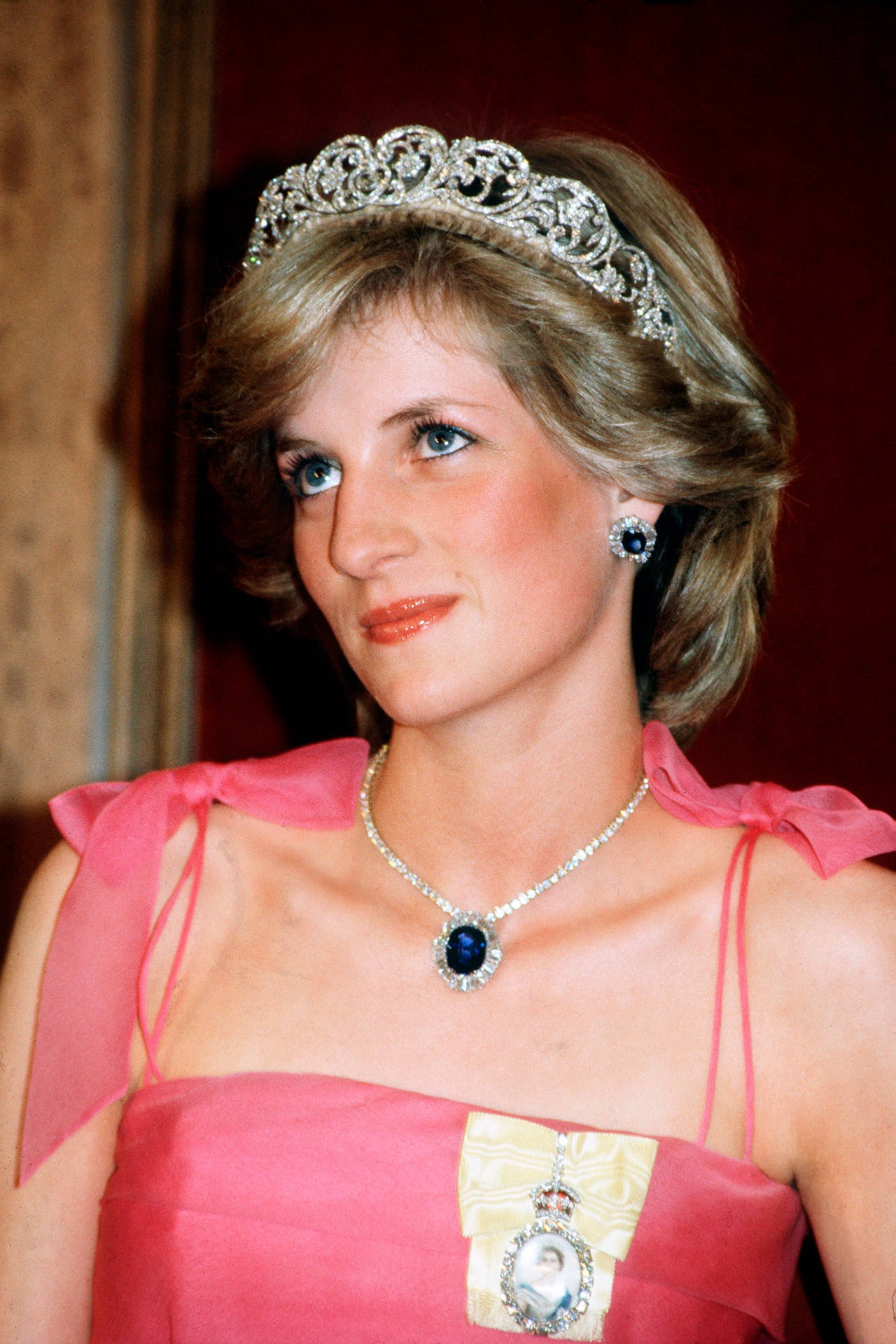
The untimely death of Princess Diana in August 1997 created not just international sadness but an infinite number of conspiracy speculation, that still rolls on. Even after extensive official investigations, charges from royal cooperation through intelligence agency plots have continued to surface. This is an organized discussion of the most contentious suggestions and responses.
1. Pregnancy and Royal Disapproval
Perhaps the best-known theory is that Diana was pregnant with Dodi Fayed’s child and set to become engaged proclamations that, it is said, caused concern among certain parts of the British establishment. Mohamed Al-Fayed, the father of Dodi, claimed that this possible alliance posed a threat to royal bloodlines and cultural expectations and elicited interference. Medical checks, however, revealed no trace of pregnancy, and close friends attested that Diana’s menstrual cycle had been normal and that contraception was being practiced.
2. MI6 Involvement and Driver’s Role
Henri Paul, the driver of Diana’s car, also faced suspicion. According to some theories, he was an intelligence agent, maybe used for a deliberate cause of the crash that would be fatal. One ex-intelligence officer even proposed the possibility of agency complicity but later downplayed such suggestions. Proper investigations, including Operation Paget, discovered no evidence of Paul’s association with any intelligence agency.
3. The White Fiat Uno and Blinding Lights
Eyewitnesses described witnessing unusual flashes and a white Fiat Uno at the site of the crash, which made them suspect of intentional interference, there were rumors that a car was employed to blind the driver and result in the accident. Nevertheless, investigators put the blamed-on paparazzi camera flashes and other cars’ headlights, and the Fiat Uno was never directly attributed to any group or conspiracy.
4. Sabotaged Safety Devices and Delayed Medical Attention
Other conspiracy theories assert seat belts in Diana’s vehicle were sabotaged and that medical attention to her was inordinately delayed, which might have impacted her survival. Investigations, however, verified that the seat belts were functional and that medical attention adhered to standard French emergency procedures. Both these hypotheses were rejected and baseless by the official report.
5. Psychology Behind the Theories
The endurance of these theories is more than just a product of media hype. People usually attribute sad results to huge reasons rather than common explanations because of a psychological principle known as “proportionality bias,” meaning that huge events must have similarly huge explanation.
ALSO READ: The Princess Who Painted, Danced, and Loved Like Us