
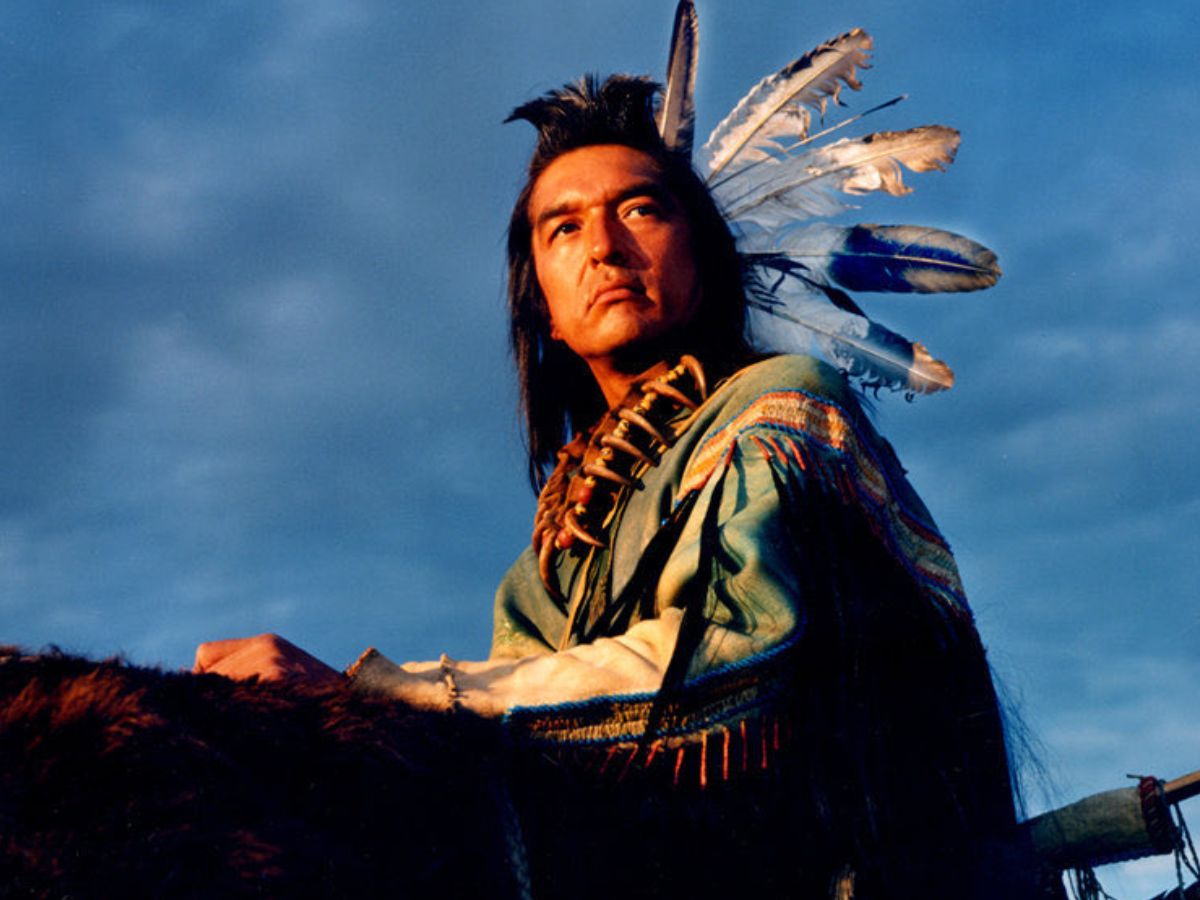
Graham Greene, the Oscar-nominated Canadian First Nations actor known for breaking barriers in Hollywood, has passed away at the age of 73. He died in a Toronto hospital after a long illness.
His agent, Michael Greene (not related), confirmed the news to Deadline saying, “He was a great man of morals, ethics and character and will be eternally missed. You are finally free.”
Early Life and Start in Acting
Born in 1952 in Ohsweken on the Six Nations Reserve in Ontario, Greene did not initially set out to be an actor. He was working as a recording engineer when a friend encouraged him to read a script. That moment led him to the stage, where he performed in Canadian and British theatre productions throughout the 1970s.
His television debut came in 1979 with the Canadian drama The Great Detective. A few years later, he made his film debut in the 1983 biographical movie Running Brave.
Hollywood Breakthrough
Greene’s major turning point arrived in 1990 when Kevin Costner cast him as Lakota Sioux medicine man Kicking Bird in the award-winning western Dances with Wolves. His performance earned him an Academy Award nomination for Best Supporting Actor and opened the door to a successful career in Hollywood.
In the years that followed, Greene appeared in notable films including Thunderheart (1992), Maverick (1994), Die Hard with a Vengeance (1995), The Green Mile (1999), and The Twilight Saga: New Moon (2009).
Recent Roles
Even in recent years, Greene remained active in the industry. He featured in Taika Waititi’s FX comedy-drama Reservation Dogs, HBO’s hit series The Last of Us, and Taylor Sheridan’s shows 1883 and Tulsa King. He continued working until the end of his life, with several projects still awaiting release.
Awards and Recognition
Throughout his career, Greene earned numerous honors. He received Grammy, Gemini, and Canadian Screen awards, and he was given a star on Canada’s Walk of Fame. In June 2024, he was presented with the Canadian Governor General’s Performing Arts Award for lifetime achievement.
Reflections on Representation
In a 2024 interview with Canada’s Theatre Museum, Greene reflected on the challenges he faced early in his career. He recalled being asked to portray stereotypes of Indigenous people:
“When I first started out in the business, it was a very strange thing where they’d hand you the script where you had to speak the way they thought native people spoke. And in order to get my foot in the door a little further, I did it. I went along with it for a while … You gotta look stoic. Don’t smile … you gotta grunt a lot.” He criticized those portrayals, adding: “I don’t know anybody who behaves like that. Native people have an incredible sense of humour.”
Speaking about Dances with Wolves, he recalled telling Kevin Costner: “You know, the people in this film, in this village, they have an incredible family, incredible relationship and fun has always been part of that. Fun is 50% of how they live and enjoy things. Family is family, no matter what.”
Personal Life
Greene shared a long and steady partnership with his wife of 35 years, Hilary Blackmore, who was by his side throughout his career and personal struggles. Their marriage stood as a symbol of strength and companionship in an industry often marked by fleeting relationships. Together, they raised their daughter, Lilly Lazare-Greene, who has spoken of her father’s deep sense of humor and wisdom. Greene also adored his grandson, Tarlo, often describing family time as his greatest source of happiness away from the spotlight.
Despite his global recognition, Greene valued a quiet and grounded home life. Friends and colleagues often recalled how he preferred simple family gatherings and time in nature over the glitz of Hollywood. His legacy, therefore, extends beyond his work on screen—he will be remembered as a devoted husband, a caring father, and a loving grandfather who balanced fame with humility.
Also Read: Bollywood’s Best-Kept Secrets: 5 Underrated Bollywood Films Full of Heart and Art