
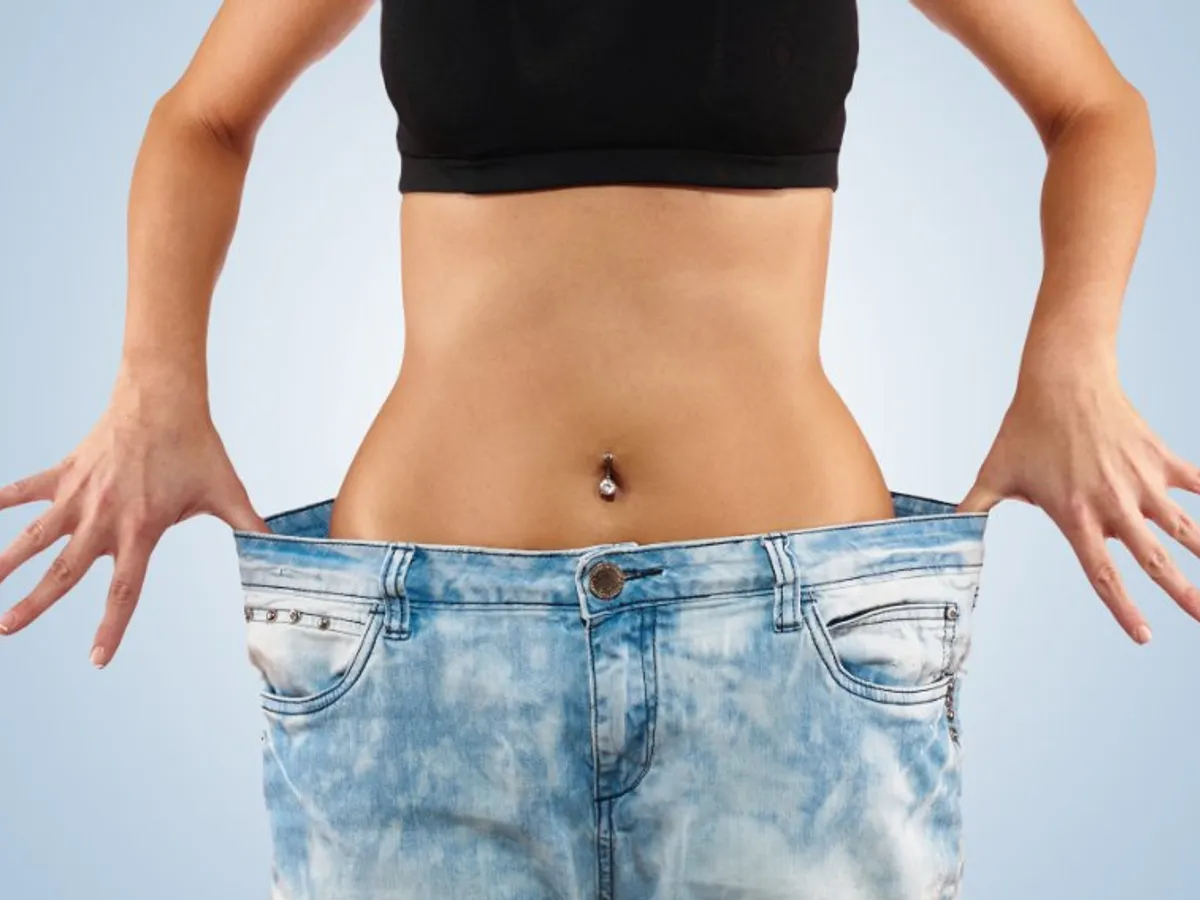
NEW DELHI: Many women notice a frustrating pattern once they cross their early thirties: the weight that once dropped easily now seems stubborn. Skipping a meal or increasing workouts no longer produces the same results. According to a Mumbai-based doctor, the reason is not a lack of discipline but changes in hormones, metabolism and lifestyle that occur after 30.
Experts say weight loss in the thirties and beyond requires a different approach because the body is no longer functioning the same way it did in the twenties.
HORMONAL CHANGES INFLUENCE METABOLISM
One of the key reasons weight loss becomes difficult is the shift in hormonal balance. As women age, metabolic processes slow and conditions such as insulin resistance or thyroid changes may become more common. Some women may also experience early signs of PCOS or perimenopause, both of which can influence how the body stores fat.
However, many women continue following the same dieting patterns they used in their twenties. According to the doctor, this mismatch between a changing body and old weight-loss strategies can lead to frustration and slower results.
REPEATED DIETING CAN SLOW THE BODY’S METABOLISM
Another factor is the cycle of crash dieting. Many people lose a few kilograms through extreme calorie restriction but later regain the weight. Over time, the body adapts to these fluctuations.
When dieting becomes frequent, the body may interpret it as a sign of food scarcity and begin conserving energy by slowing metabolism and storing more fat. This makes future weight loss even more challenging.
As a result, even eating smaller portions may not lead to the expected drop in weight.
STRESS AND LIFESTYLE HABITS ALSO PLAY A ROLE
Modern routines often contribute to weight gain as well. Late-night dinners, lack of sleep, chronic stress and long sedentary work hours can keep the body in a high-stress state.
These habits increase levels of cortisol, a stress hormone that encourages fat storage, particularly around the abdomen. When cortisol remains elevated, the body becomes less efficient at burning fat, even if calorie intake is reduced.
Low physical activity during the day further reduces calorie expenditure, adding to the problem. Weight loss after 30 requires a different strategy.
A MORE REALISTIC PERSPECTIVE ON WEIGHT LOSS
Experts emphasise that the solution is not simply eating less. Instead, women may benefit from more sustainable lifestyle changes, such as structured meals, balanced nutrition and habits that support hormonal health.
Improving sleep patterns, managing stress and incorporating regular movement can help the body shift from fat storage to fat burning.
The doctor’s message is straightforward: struggling to lose weight after 30 does not mean someone is lazy or lacking willpower. In many cases, women are simply applying strategies that worked earlier in life to a body that has changed with age.