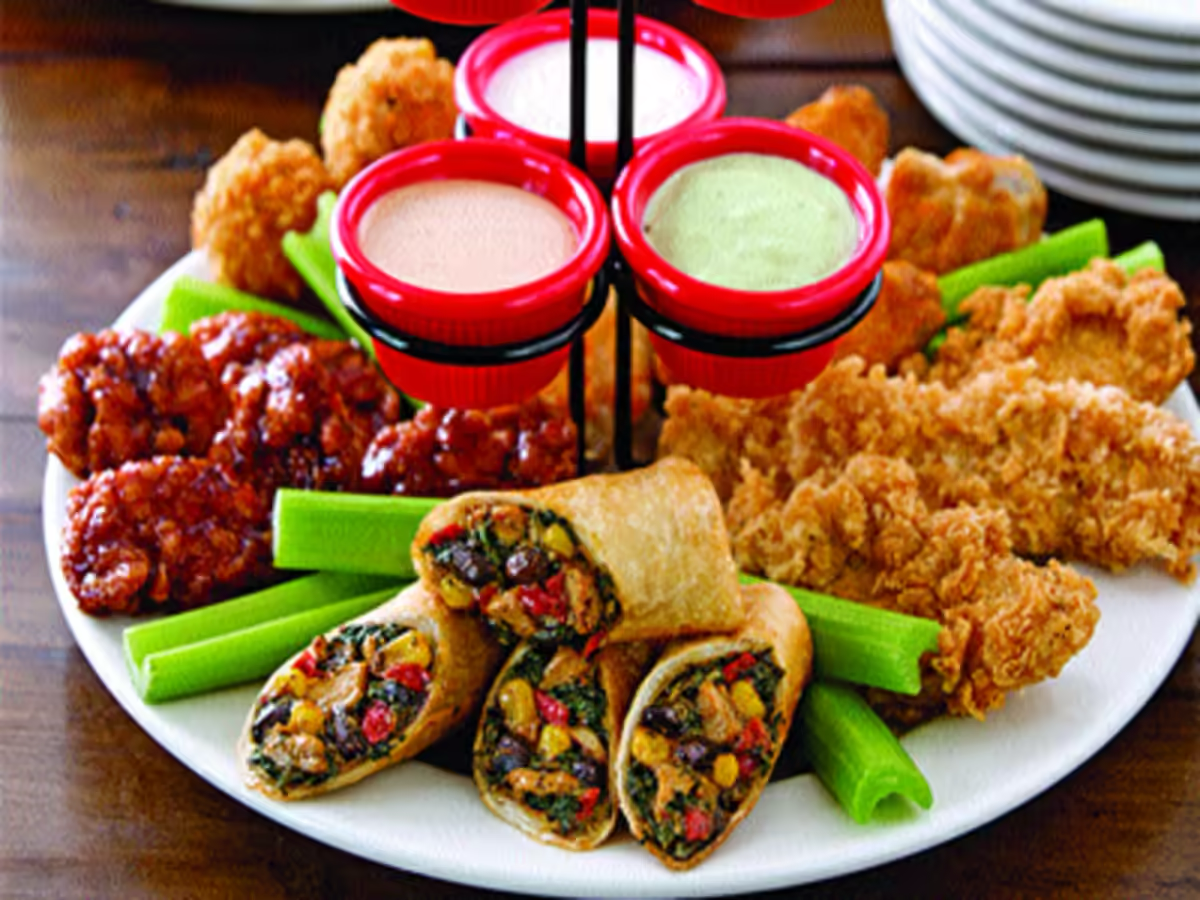
NEW DELHI: Have you ever noticed that at many restaurants, starters and appetisers tend to arrive in groups of three, five or even seven pieces? It’s not just happenstance—there’s a deliberate reason behind this trend rooted in design principles, food psychology and culinary aesthetics that chefs and food stylists swear by.
At its core, the preference for odd numbers in plating comes from visual design fundamentals. Uneven groupings—like three or five canapés on a plate—naturally feel more dynamic and visually engaging than pairs or matching sets. According to dining experts, odd numbers avoid the rigid symmetry that even numbers create, instead guiding the diner’s eye around the plate and making the presentation feel more inviting and appetizing.
This visual appeal isn’t just subjective. Research into food aesthetics suggests that the brain finds odd-numbered arrangements easier and more stimulating to process. An uneven group creates a focal point that feels balanced yet slightly unpredictable, keeping diners visually interested and mentally curious about what they’re about to eat. That little sense of visual curiosity can make a starter feel more complete, even if the portion is small.
Chefs also believe odd numbers help encourage movement on the plate. Rather than letting the eye settle in the centre, plates arranged in threes or fives draw attention around the composition, allowing each element to shine individually. Food stylists often describe this as a more “natural” way to present food, one that maintains a diner’s attention for longer and helps highlight the chef’s creativity.
Another practical reason for this practice is portion balance. Culinary institutions—like the renowned Auguste Escoffier School of Culinary Arts—teach that odd numbers often result in cleaner, more harmonious designs. For example, serving five ravioli rather than four or six can make a dish feel thoughtfully composed and complete. In appetisers especially, that sense of balance matters, since these starters are meant to tease the palate without making the diner feel overwhelmed.
There’s also a subtle psychological trick behind this rule of odds. When food is arranged in odd numbers, there’s always a piece that sits at the visual centre of the plate, naturally drawing the eye and anchoring the overall presentation. This central piece acts as a visual anchor, helping diners perceive the entire arrangement as coherent and well-composed rather than random or cluttered.
So the next time a trio of bruschetta or a quintet of sliders arrives at your table, know that there’s more to it than just portioning. Chefs and food designers use odd numbers intentionally—blending art, psychology and culinary tradition—to make your first bites look as good as they taste.
Whether you’re a casual diner or an aspiring home cook, this insight into plating can also inspire how you present food at your next gathering—even a simple plate of snacks can feel more appealing with a clever visual twist.