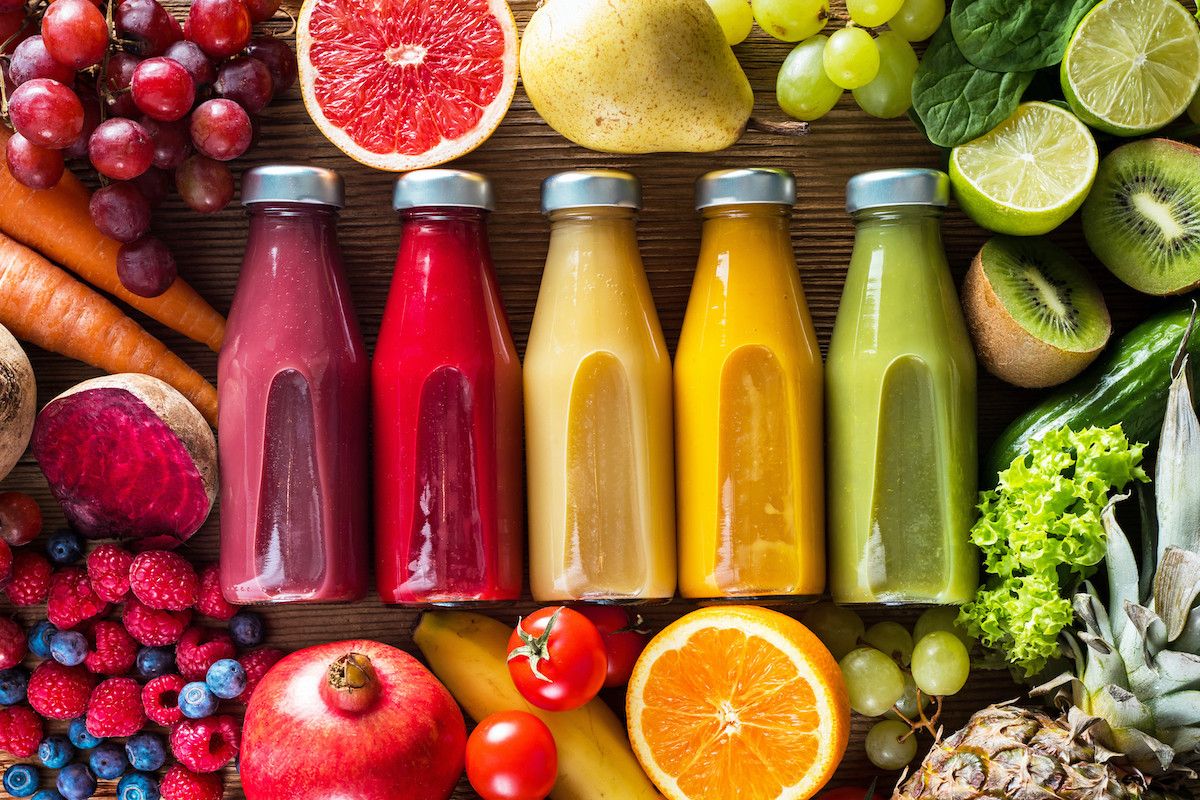
NEW DELHI: Fruits are often seen as the cornerstone of a healthy diet, but for people living with diabetes, choosing the right kind and the right form can be confusing. The natural sweetness of fruit may seem risky, yet it doesn’t have to be avoided altogether. With the right choices, fruit can actually support blood sugar control and overall health. Diabetes management isn’t about complete restriction: it’s about smart, informed eating.
Experts agree that certain fruits, when consumed correctly, can be beneficial rather than harmful. This raises an important question: for diabetics, is whole fruit better than fruit juice? Here’s what you need to know.
Whole fruits contain natural sugars along with water, fibre, and protective plant compounds. The fibre plays a crucial role by slowing digestion and preventing sudden spikes in blood glucose. Nutrition consultants explain that when fruit is eaten whole, fibre acts as a natural buffer, allowing sugars to enter the bloodstream gradually. This steady absorption makes whole fruits a safer and more reliable option for people with diabetes, especially when eaten in moderation and alongside balanced meals.
On the other hand, fruit juice tells a different story. According to nutritionist Asha Sinha, fresh juice is not advisable for individuals dealing with diabetes, PCOD, obesity, or heart disease. She notes that juicing can disrupt blood sugar regulation and strips away nutrients that are better absorbed through chewing whole fruits and vegetables.
When fruit is juiced, most of the fibre is removed while the natural sugars become concentrated. This causes the juice to be digested rapidly, leading to sharp rises in blood sugar—even if no extra sugar is added. For this reason, experts generally discourage fruit juice for people managing diabetes.
Satiety and Portion Control
Whole fruits also promote better portion control. Chewing triggers signals of fullness, helping prevent overeating. Their fibre and water content increase satiety, making you feel satisfied for longer. Dietitian Ruchika Atre points out that while eating a whole fruit leaves people feeling full, juice lacks the same effect. For diabetics, this difference is critical, as it helps regulate overall carbohydrate intake and prevents unnecessary calorie consumption.
Are Fruit Juices Ever Okay?
In certain medical situations, such as treating episodes of low blood sugar, fruit juice may be used because it raises glucose levels quickly. However, this is considered a therapeutic use, not a daily dietary choice. For regular consumption, experts consistently recommend whole fruits. Anyone considering juice as part of their routine should first consult a healthcare professional.
BEST FRUITS FOR PEOPLE WITH DIABETES
Some fruits are particularly suitable for diabetics due to their low glycaemic index, high fibre content, and antioxidant properties:
- Pomegranates: Rich in antioxidants that protect against free radical damage and support blood sugar.
- Grapes: Contain resveratrol, which helps improve insulin sensitivity and stabilise glucose levels.
- Apples: High in fibre, especially when eaten with the skin, and linked to a lower risk of type 2 diabetes.
- Blueberries: Packed with anthocyanins that enhance antioxidant defence and reduce diabetes risk.
- Strawberries: Low on the glycaemic index, helping prevent rapid sugar spikes.
- Guava: A fibre-rich, low-GI fruit that aids digestion.
- Watermelon: Contains lycopene and potassium supporting kidney health and nerve function.
- Cherries: Rich in anthocyanins that stimulate insulin release and improve glucose metabolism.
- Papaya: Loaded with antioxidants that protect cells from sugar-related damage.
- Oranges: Their flavonols and phenolic compounds slow glucose absorption and improve metabolic control.
In conclusion, experts agree that people with diabetes are better off eating fruits whole rather than drinking them as juice. Whole fruits help maintain stable insulin levels while delivering essential nutrients. With mindful choices and proper portions, fruits can remain a colourful, nourishing part of a diabetes-friendly diet.