Vitamin E is often celebrated as one of the body’s most important defenders against oxidative stress. It is not a single compound, but rather a group of fat-soluble compounds with strong antioxidant properties. Among its eight naturally occurring chemical forms alpha-, beta-, gamma-, and delta-tocopherols and tocotrienols, alpha-tocopherol is the most biologically active and the form that fulfills human requirements.
At its core, vitamin E functions as a potent antioxidant, helping protect cells from free radicals unstable molecules that damage tissues and accelerate aging. These free radicals can arise from daily metabolic processes in the body or external sources like cigarette smoke, air pollution, and ultraviolet rays. By neutralizing them, vitamin E reduces oxidative stress, which has been linked to chronic conditions such as heart disease, cancer, and cognitive decline.
Beyond its antioxidant activity, vitamin E plays crucial roles in immune support, gene regulation, and vascular health. It enhances endothelial cell function, supports dilation of blood vessels, and prevents platelet aggregation, thereby promoting smooth circulation. Additionally, it has roles in cell signaling and may even protect eye and brain health, though research continues to refine these associations.
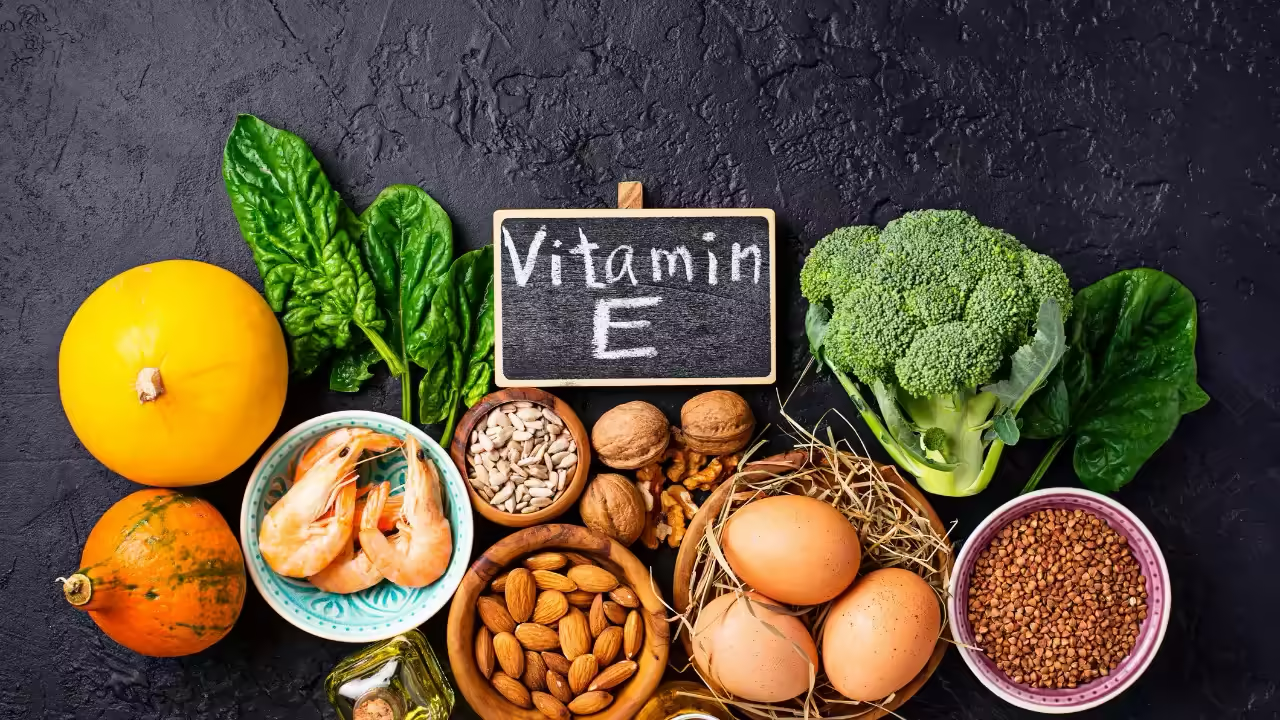
Vitamin E is readily available in a variety of foods, making it possible to meet your body’s needs through a balanced diet. Some of the richest sources include:
-
Nuts and seeds – Almonds, sunflower seeds, and hazelnuts are excellent sources, making them a convenient snack that packs antioxidant benefits.
-
Vegetable oils – Sunflower, safflower, corn, and soybean oils are common kitchen staples that supply good amounts of vitamin E.
-
Green leafy vegetables – Spinach and broccoli, whether raw or lightly cooked, contribute meaningfully to vitamin E intake.
-
Fruits – Kiwifruit, mango, and tomatoes provide smaller but valuable amounts that can add up throughout the day.
-
Fortified foods – Some breakfast cereals and spreads are enriched with vitamin E, offering an easy way to boost intake.
Vitamin E is more than just an antioxidant; it is a nutrient that supports immunity, heart health, circulation, and overall cellular well-being. The good news is that you don’t need to rely on supplements to reap its benefits. By including a variety of nuts, seeds, vegetable oils, leafy greens, and fruits in your daily meals, you can naturally provide your body with this vital nutrient and strengthen your long-term health.