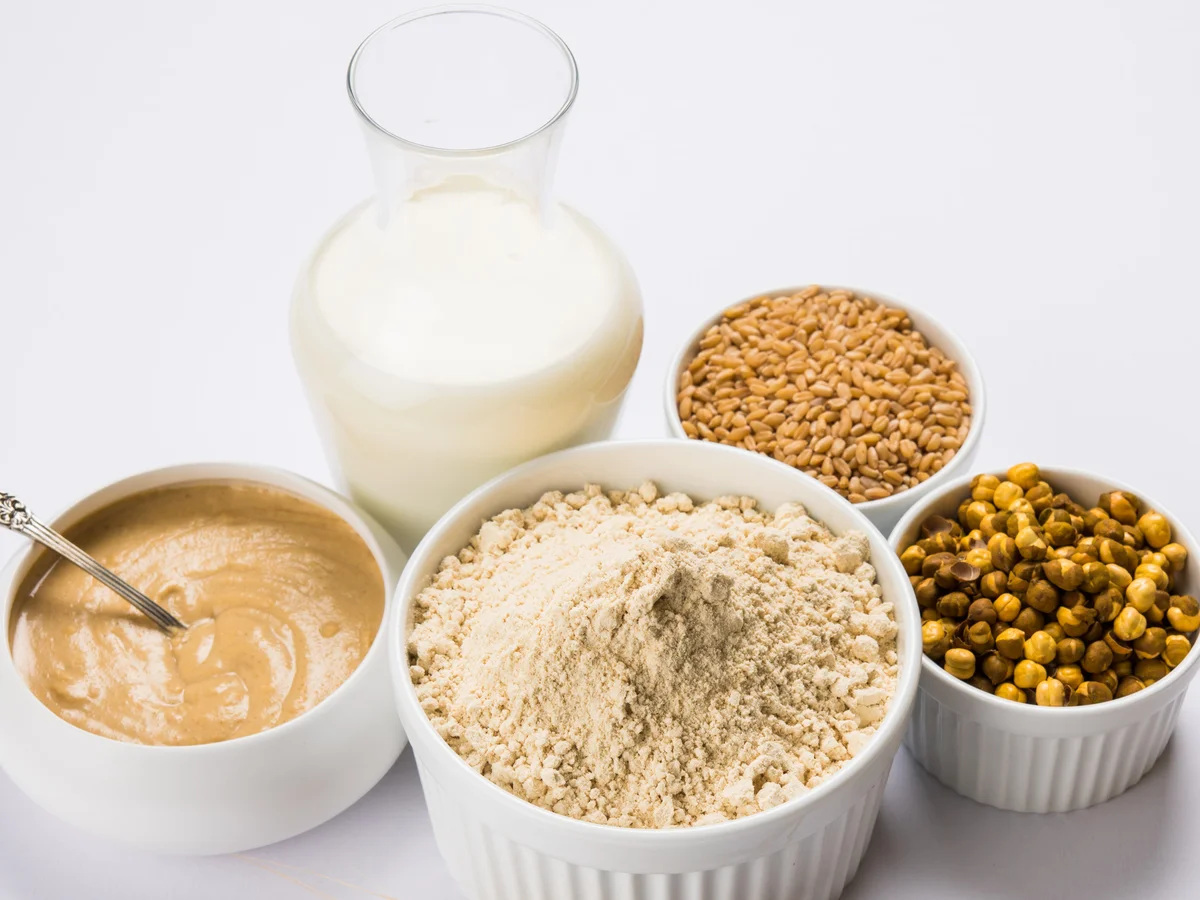
NEW DELHI: India often rediscovers its traditional foods and reintroduces them as modern “superfoods.” One such ingredient gaining renewed attention is sattu—a humble flour made from roasted gram that has been part of Indian diets for centuries. Affordable, nutritious and versatile, sattu has long been consumed by farmers, labourers and travellers for sustained energy. Today, health enthusiasts are once again recognising its nutritional value and incorporating it into daily meals.
WHAT EXACTLY IS SATTU?
Sattu is a flour made by dry-roasting grains or pulses—most commonly roasted Bengal gram (chana)—and then grinding them into a coarse powder. The roasting process enhances flavour and improves digestibility, giving sattu its distinctive earthy and slightly nutty taste.
While chana sattu is the most common variety due to its high protein content, other versions also exist. For instance, jau ka sattu, made from roasted barley, is known for its cooling properties and is widely consumed during summer months. Multi-grain versions combining different grains and pulses are also available, offering a broader nutritional profile.
A NATURALLY NUTRITIOUS FOOD
Sattu stands out for its impressive nutritional profile. Around 100 grams of chana sattu provides roughly 26 grams of protein and about 18 grams of dietary fibre, along with essential minerals such as calcium, magnesium and iron.
Because of this nutrient density, sattu is often called a “desi protein shake.” It can be mixed easily with water or milk and consumed without cooking, making it a convenient source of plant-based protein. Historically, it served as an ideal food for people performing physically demanding work because it was filling, portable and quick to prepare.
KEY HEALTH BENEFITS
One of the biggest advantages of sattu is its high fibre content, which supports digestive health and helps prevent constipation. The fibre also contributes to better gut health and promotes a feeling of fullness after meals.
Sattu may also support weight management. The combination of protein and fibre helps curb hunger, reducing the likelihood of frequent snacking. When consumed as a simple drink with water, lemon and black salt, it can keep the stomach full for longer periods.
Another benefit is its low glycaemic index, meaning it releases sugar slowly into the bloodstream. This helps maintain steady energy levels and makes it a suitable option for people trying to regulate blood sugar levels.
In addition, minerals like magnesium and potassium contribute to heart health, while iron and calcium help support energy levels and bone strength. The nutrients in sattu may also assist muscle recovery after exercise and support overall immunity.
WHO CAN INCLUDE SATTU IN THEIR DIET?
Sattu is suitable for a wide range of people. Children benefit from its nutrients and sustained energy, while adults can use it as a convenient and wholesome meal addition. It is also easy to digest, making it suitable for older adults who prefer lighter meals.
However, nutritionists advise introducing it gradually into the diet, as its high fibre content may cause bloating if consumed in very large amounts at once.