NEW DELHI: Parsi food, the culinary heritage of the Zoroastrian community that migrated to India from Persia around the 8th century, is a fascinating blend of Persian roots and Indian influences. It is known for its distinctive balance of sweet and sour flavors, aromatic spices, and emphasis on freshness and simplicity. Parsi cuisine reflects the community’s lifestyle, traditions, and religious beliefs, combining both celebratory dishes for festivals and modest home-cooked meals for everyday life. Its flavors are subtly complex, often incorporating ingredients like jaggery, vinegar, and kokum alongside native Indian spices such as turmeric, cumin, and coriander.
KEY CHARACTERISTICS OF PARSI CUISINE
One of the defining features of Parsi food is its use of contrasting tastes, often balancing sour and sweet. Tamarind, kokum, and lemon provide tanginess, while jaggery or sugar adds subtle sweetness. Herbs like coriander, mint, and curry leaves enhance freshness, and mustard seeds and green chilies add a gentle kick. Parsi dishes often rely on slow cooking, allowing flavors to meld, whether in meat-based curries, lentils, or vegetables. The cuisine also emphasizes presentation, with meals often served in courses and garnished with fresh herbs or fried onions.
VEGETARIAN DISHES IN PARSI CUISINE
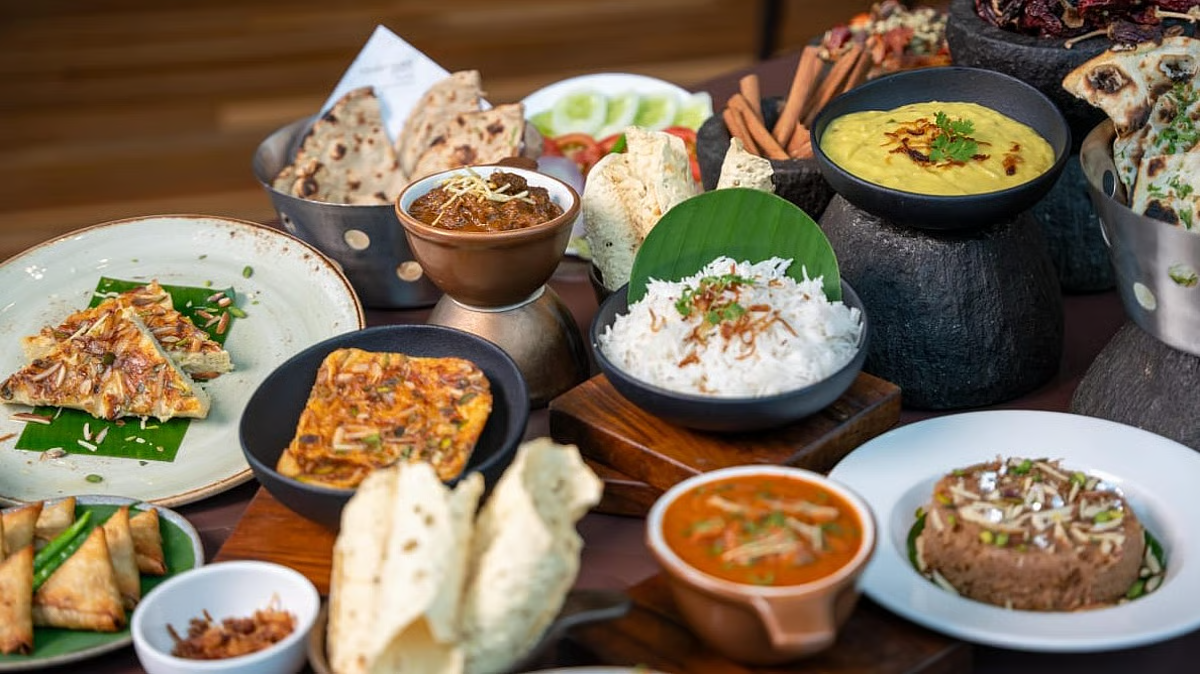
While Parsi cuisine is widely known for meat and seafood, it also has a rich repertoire of vegetarian dishes, often served during festivals or for those who prefer plant-based meals. One popular dish is Bhindi Salan, a tangy okra curry cooked with onions, tomatoes, tamarind, and a subtle mix of spices. Another favorite is Dhan Dar, a sweet lentil soup traditionally served with rice, combining yellow lentils, jaggery, and aromatic spices.
PARSI LAGAN NU STEW (WEDDING VEGETABLE STEW)
Parsi Lagan Nu Stew is a traditional sweet-and-sour vegetable stew, often served at weddings. It combines a mix of root vegetables like potatoes, sweet potatoes, yams, carrots, cauliflower, and green peas, cooked in a tangy, slightly sweet gravy. To prepare, chop and deep-fry or shallow-fry the potatoes, carrots, and yams separately until golden. In a pot, sauté onions until golden, then add ginger-garlic paste and spices such as turmeric, red chili, cumin, and coriander. Add tomatoes and puree, followed by the fried vegetables and peas. Add a little water, cover, and cook until tender. Season with sugar, salt, and vinegar to taste, then simmer. Garnish with chopped coriander and optionally fried cashews for added texture and flavor.
VEGETARIAN DHANSAK
Vegetarian Dhansak is a rich, comforting lentil and vegetable dish traditionally served with caramelized brown rice. It uses a mix of dals like toor, chana, and masoor, along with vegetables such as brinjal, pumpkin, methi leaves, potatoes, and onions. Soak the lentils for at least an hour, then pressure cook them with the vegetables. Mash the cooked mixture. Prepare a tempering of browned onions, ginger-garlic paste, and red chili powder, then add the mashed lentils and vegetables. Simmer with Dhansak masala, salt, and tamarind until the flavors meld, creating a hearty, tangy, and mildly spicy dish.
VEG BERRY PULAO
Veg Berry Pulao is a Parsi café favorite, made with basmati rice and Iranian barberries or cranberries for a hint of tartness. Cook the rice with whole spices, and prepare a vegetable masala by frying onions, ginger-garlic, tomato puree, and assorted vegetables. Layer the rice over the masala, adding barberries or dried cranberries and cashews. Cook on slow heat (“dum”) for 15-20 minutes to allow the flavors to blend beautifully.
TARELA KERA (FRIED BANANAS)
Tarela Kera is a simple sweet-and-savory side dish. Peel and slice ripe bananas into pieces, then fry them in ghee until crispy and reddish. Drain before serving.
OTHER POPULAR VEGETARIAN PARSI DISHES
Parsi cuisine also features dishes like Papeta nu Salan, a tangy potato curry with coconut, tamarind, and vinegar; Dahi Ma Bhenda, okra cooked in a thick yogurt gravy; Tarkari Ni Kari, a mixed vegetable curry in coconut gravy; Paneer Akuri, a spiced scrambled cottage cheese dish with onions and tomatoes; and Parsi Potato Cheese Cutlet, mashed potato patties filled with cheese and fried. These dishes are typically accompanied by freshly made Parsi Roti (thin rotis) or brown rice. Essential ingredients include vinegar for tang, jaggery or sugar for sweetness, dhana jeera masala (cumin and coriander powder), fried onions for thickening gravies, and fresh coriander or mint for garnish.
CULTURAL SIGNIFICANCE AND SERVING TRADITIONS
Parsi vegetarian dishes often hold cultural significance, especially during religious ceremonies or festive occasions such as Navroz, the Parsi New Year. Meals are typically served with rice or flatbreads like chapati, and accompanied by condiments such as chutneys, pickles, and papad. The combination of textures, from soft lentils to crunchy fried garnishes, and the interplay of sweet and sour flavors, makes Parsi vegetarian cuisine not just a meal, but a sensory experience that reflects the community’s ethos.
Parsi cuisine, with its subtle complexity and distinctive flavor profile, represents a harmonious blend of Persian heritage and Indian culinary influence. Vegetarian dishes, though less prominent than meat and seafood offerings, highlight the ingenuity and adaptability of Parsi cooking, offering flavorful, wholesome, and aromatic options that are integral to both daily meals and festive celebrations. From tangy curries to aromatic rice dishes, Parsi vegetarian food is a delightful exploration of taste, culture, and tradition.