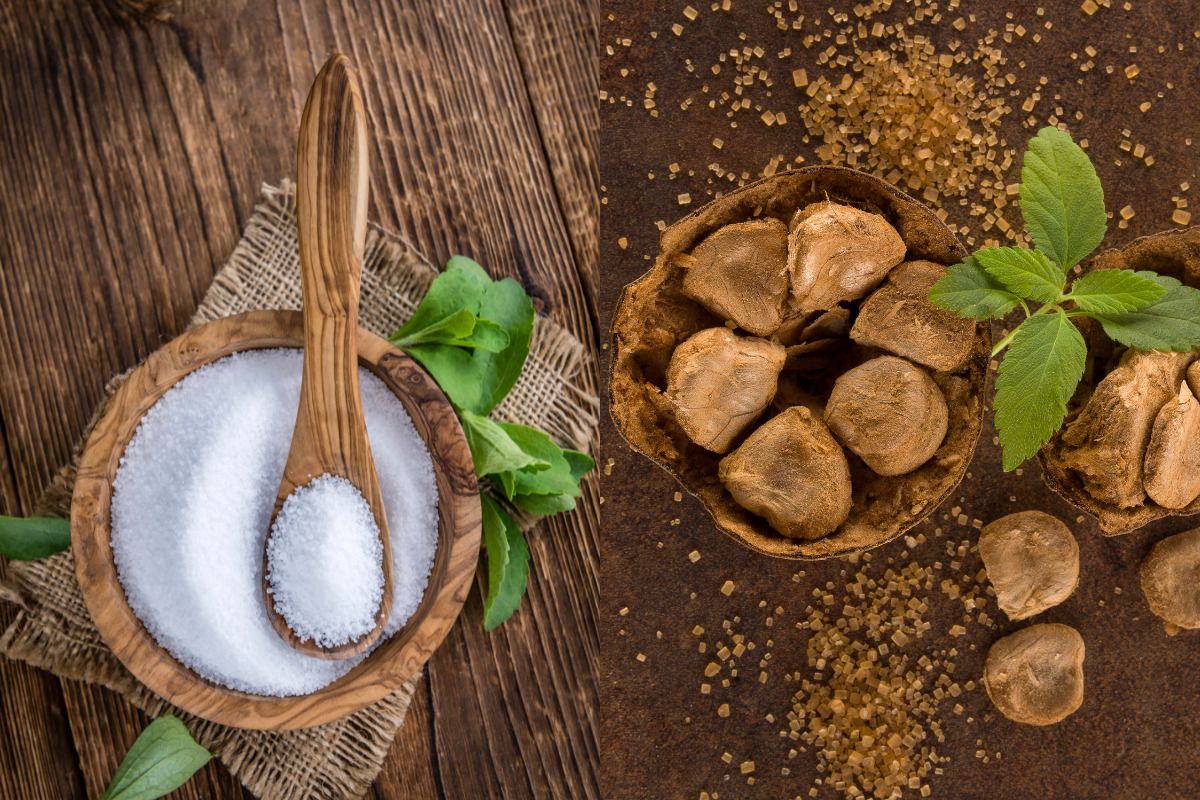
NEW DELHI: Reducing sugar intake is often one of the first steps people take when trying to lose weight or improve overall health. With rising concerns around obesity, diabetes and metabolic disorders, added sugar has come under sustained scrutiny. This shift has fuelled the popularity of natural, zero-calorie sweeteners, with monk fruit and stevia emerging as two of the most talked-about options.
Both are plant-based, intensely sweet and marketed as sugar substitutes that do not add calories or spike blood sugar levels. However, while they may seem similar on the surface, monk fruit and stevia differ in taste, cost and day-to-day usability—factors that can influence how helpful they are in a weight-loss diet.
WHAT ARE MONK FRUIT AND STEVIA?
Monk fruit, also called Luo Han Guo, is a small green fruit native to southern China. Its sweetness comes from compounds known as mogrosides, which are several hundred times sweeter than sugar yet contribute virtually no calories.
Stevia is derived from the leaves of the Stevia rebaudiana plant, native to South America. Its sweetness comes from steviol glycosides, which are also extremely sweet and calorie-free.
In commercial use, both sweeteners are extracted, refined and sold as powders, liquids or blends, commonly added to beverages, desserts and packaged foods.
NUTRITIONAL COMPARISON
From a nutritional perspective, monk fruit and stevia are remarkably similar. Both contain little to no calories, provide no digestible carbohydrates and have a negligible effect on blood glucose and insulin levels. Multiple studies suggest that, when consumed in typical amounts, neither sweetener causes a significant rise in blood sugar. This makes them suitable options for people aiming to reduce calorie intake or manage blood glucose levels as part of a weight-loss or diabetic-friendly diet.
DO THEY ACTUALLY SUPPORT WEIGHT LOSS?
Neither monk fruit nor stevia directly leads to weight loss. Their benefit lies in replacement. When used instead of sugar, they can help lower overall calorie intake, which may support gradual weight loss over time.
However, replacing sugar alone is not enough. Sustainable weight loss depends on overall dietary quality, portion control and lifestyle habits. Monk fruit and stevia can complement a weight-loss plan, but they are not magic solutions.
TASTE AND AFTERTASTE: WHY IT MATTERS
Taste plays a major role in whether people stick to dietary changes. Stevia is often described as having a bitter or liquorice-like aftertaste, especially at higher concentrations. Monk fruit, on the other hand, is generally perceived as having a cleaner, more sugar-like sweetness, though this can vary depending on the brand and formulation.
An unpleasant aftertaste can lead people to overuse sweeteners or mix them with sugar, which may defeat the purpose of cutting calories.
DIGESTIVE TOLERANCE AND INGREDIENTS
Digestive discomfort linked to monk fruit or stevia is usually caused by added ingredients rather than the sweeteners themselves. Because both are intensely sweet, they are often blended with bulking agents to improve texture and measurement. Some of these additives can cause bloating or gas in sensitive individuals, particularly when consumed in large amounts.
Pure extracts are typically well tolerated, but individual responses vary. For those focused on gut health, checking ingredient labels and choosing products with minimal additives is important.
BROADER HEALTH CONSIDERATIONS
Both monk fruit and stevia contain compounds that have shown antioxidant properties in laboratory studies. Importantly, both are considered safe when consumed within recommended limits, with no conclusive evidence linking them to serious health risks when used responsibly.
Fitness coach Nishant Mishra notes that monk fruit is among the safest and most effective sugar alternatives, particularly for those trying to lose weight. He points out that it has less of a bitter aftertaste than stevia, though it is often more expensive and may contain additives that reduce its benefits. Nutritionist Tulsi Verma adds that while both are better choices than artificial sweeteners, moderation remains key.
WHICH ONE SHOULD YOU CHOOSE?
Rather than one being clearly superior, the better choice often depends on personal preference and access. Both help reduce calorie intake when replacing sugar. Monk fruit may suit those sensitive to aftertaste, while stevia is more widely available and usually more affordable. Digestive tolerance depends largely on added ingredients rather than the sweetener itself.