
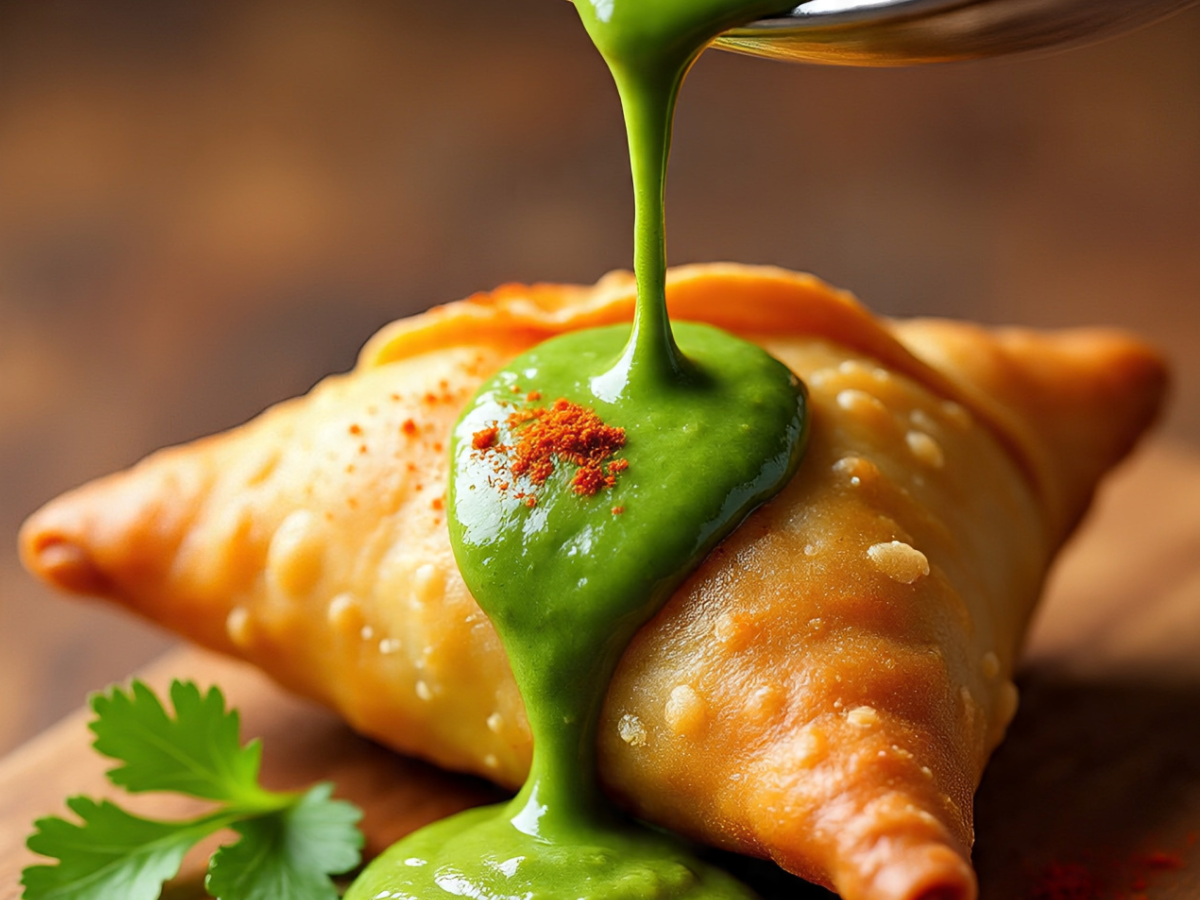
samosa is one of the most popular snacks in all of South Asia and has now become popular around the world. As soon as we hear about this triangular, crunchy delight stuffed with spicy potatoes, peas, or even meat, we are immediately reminded of the word samosa. But have you ever known what it is actually called in English? Is there a direct translation, or is the name just the same all around the world? Let’s see what this yummy topic has to offer.
Samosa in English – What’s the Right Word?
Translated into English, the samosa is described as fried pastry with savory filling or just stuffed pastry. There is no precise one-word translation into English that does full justice to a samosa. Rather, it is described in terms of texture and preparation. Thus, although the English-speaking peoples continue to use the term samosa, they might say “a deep-fried pastry” filled with spiced vegetables or meat.
Why There Is No Direct Translation
Languages tend to coin names for food items that are specific to their culture. Just as “pizza” or “sushi” is recognized across the world by their native name, samosa has also gained international acceptance as is. The food item has cultural heritage and identity behind it, and hence translation becomes difficult. If we attempt to name it something such as “fried stuffed triangle,” it might seem right in terms of description but does not convey the cultural appeal involved with using the name samosa.
A Global Snack
Throughout the years, the samosa has gone far beyond the borders of India, Pakistan, and other South Asian nations. Nowadays, you will be able to find samosas in the UK, USA, Canada, and even some parts of Africa and the Middle East. Surprisingly, though the filling and spices may vary based on the region, the term samosa is used uniformly in all places virtually.
Actually, in most English menus of restaurants around the globe, you won’t find a translation but simply “Samosa” put down with a brief description, such as crispy pastry filled with potatoes and spices.
Historical Origins of the Samosa
The history of samosa is as intriguing as its flavor. It originated in the Middle East as “sambusak” and traveled to the Indian subcontinent centuries back. The centuries that passed saw it become what we know today as the traditional potato-filled samosa. This history is also why the name has held on through the many languages it has been known to bear a sense of identity, as opposed to being merely used as just another dish.
Modern Variations and English Descriptions
In the modern world, the samosa is not only confined to the old potato filling. Chefs play around with cheese samosas, chocolate samosas, or even pizza samosas. On English menus, it is frequently listed as:
- Cheese-filled fried pastry
- Chocolate dessert pastry
- Spicy meat-filled pastry
Again, although the term pastry is used frequently to refer to it in English, the samosa’s identity is so strong that it continues to appear as it is written.
So, What Do We Call It?
When somebody asks, “What do we call samosa in English? the best response is samosa itself. While descriptive names such as fried pastry or stuffed pastry can describe it, the original name has traveled across borders and entered the English language itself. Just like chai, biryani, or naan, samosa does not require translation it brings its taste with its very name.
Conclusion
The samosa is not merely a snack it’s a symbol of culture and a comfort food that transcends languages. Even in English, as much as we can define it as a “baked or fried pastry with filling,” nothing captures the essence of the original name. Therefore, the next time you are asked what samosa is in English, you may respond with full confidence: It’s just called samosa the name itself is as universal as the taste.