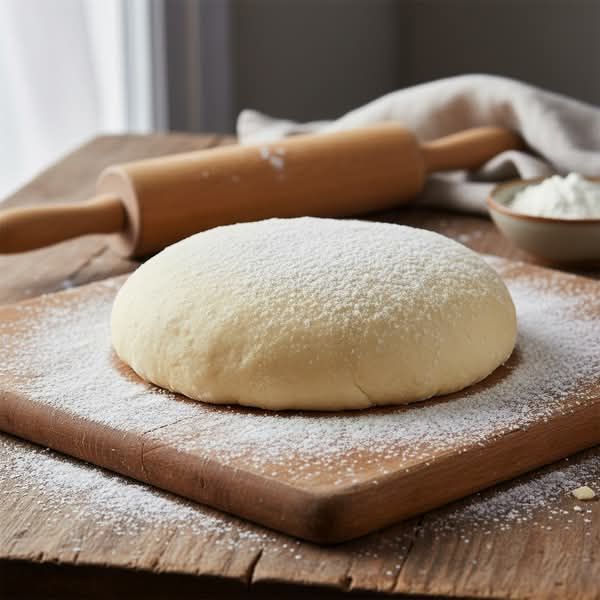
NEW DELHI: Open the refrigerator in almost any Indian home and you’re likely to find a familiar sight: a ball of leftover atta dough, carefully stored in a steel dabba or wrapped in cling film. It represents thrift, efficiency and the everyday logic of home cooking. Kneading dough takes time, and reusing it feels sensible—especially on busy mornings.
BUT IS IT ACTUALLY SAFE TO EAT?
As food safety and meal-prep conversations grow louder, this routine kitchen habit is being questioned. Kneaded dough may look harmless, but once flour is mixed with water, it becomes a moist, carbohydrate-rich environment that can support microbial growth if not handled correctly. Understanding what happens to atta dough over time is no longer a niche concern—it directly affects digestion, health and food safety.
WHY LEFTOVER DOUGH CAN BE RISKY
At first glance, atta dough seems low-risk. It contains no meat or dairy and doesn’t spoil as obviously as cooked food. But moisture changes everything. When water is added to flour, enzymes activate and bacteria or fungi—introduced through hands, air, utensils or containers—can multiply.
Warm and humid Indian kitchen conditions make this worse. Dough left at room temperature for several hours can begin to ferment or spoil, even if it looks fine. Food safety experts strongly discourage leaving kneaded dough out overnight. The danger is often invisible; harmful bacteria can grow without obvious signs.
IS REFRIGERATED DOUGH SAFE?
Yes—but only under specific conditions. Experts agree that atta dough can be safely refrigerated if it is stored immediately after kneading and used within 12 to 24 hours. Refrigeration slows bacterial growth but does not stop it entirely.
Problems arise when dough is left out for hours before refrigeration or handled unhygienically. In warm environments, dough kept at room temperature for more than 8–10 hours can allow bacteria like E. coli or Salmonella to multiply. Even in the fridge, dirty containers or unwashed hands can introduce contamination. Hygiene matters as much as temperature.
WHAT HAPPENS TO DOUGH IN THE FRIDGE
Refrigeration preserves dough, but it also changes it. Gluten continues to relax and develop, making the dough tougher and more elastic. This can result in rotis that are chewier and less soft.
Moisture redistribution is another issue. If not airtight, the surface can dry out and crack, forcing cooks to add extra flour while rolling—often leading to heavier, drier rotis. Mild fermentation may also occur, giving the dough a slightly sour smell or taste. While not always unsafe, this can cause bloating or acidity, especially in people with sensitive digestion.
FREEZER: UP TO TWO MONTHS IF WRAPPED PROPERLY
Beyond 24 hours in the fridge, the risk of spoilage increases and quality drops noticeably. Frozen dough lasts longer, but it must be sealed well to prevent freezer burn. Thaw it slowly in the refrigerator, not at room temperature, to reduce bacterial growth.
CAN STORED DOUGH BE REVIVED?
If refrigerated dough feels stiff or dry, adding a teaspoon of warm water and gently kneading can restore some elasticity. A thin coating of oil or ghee helps retain moisture, and letting the dough rest at room temperature for 10–15 minutes before rolling improves texture.
However, masking techniques—like adding ajwain or lemon juice to counter a sour smell—do not make spoiled dough safe. If the dough has genuinely gone bad, it should be discarded.
HEALTH RISKS OF USING SPOILED DOUGH
Nutritionists warn that dough stored too long can cause bloating, gas, acidity and indigestion due to fermentation and gluten changes. In more serious cases, contaminated dough can lead to food poisoning. Children, pregnant individuals, older adults and those with weak immunity face higher risks.
SMARTER ALTERNATIVES
For convenience without risk, consider keeping dry flour ready and kneading fresh dough quickly. Freezing half-cooked rotis or rolled raw rotis (with butter paper between layers) is another safe option. These methods preserve freshness while avoiding the uncertainties of stored dough.