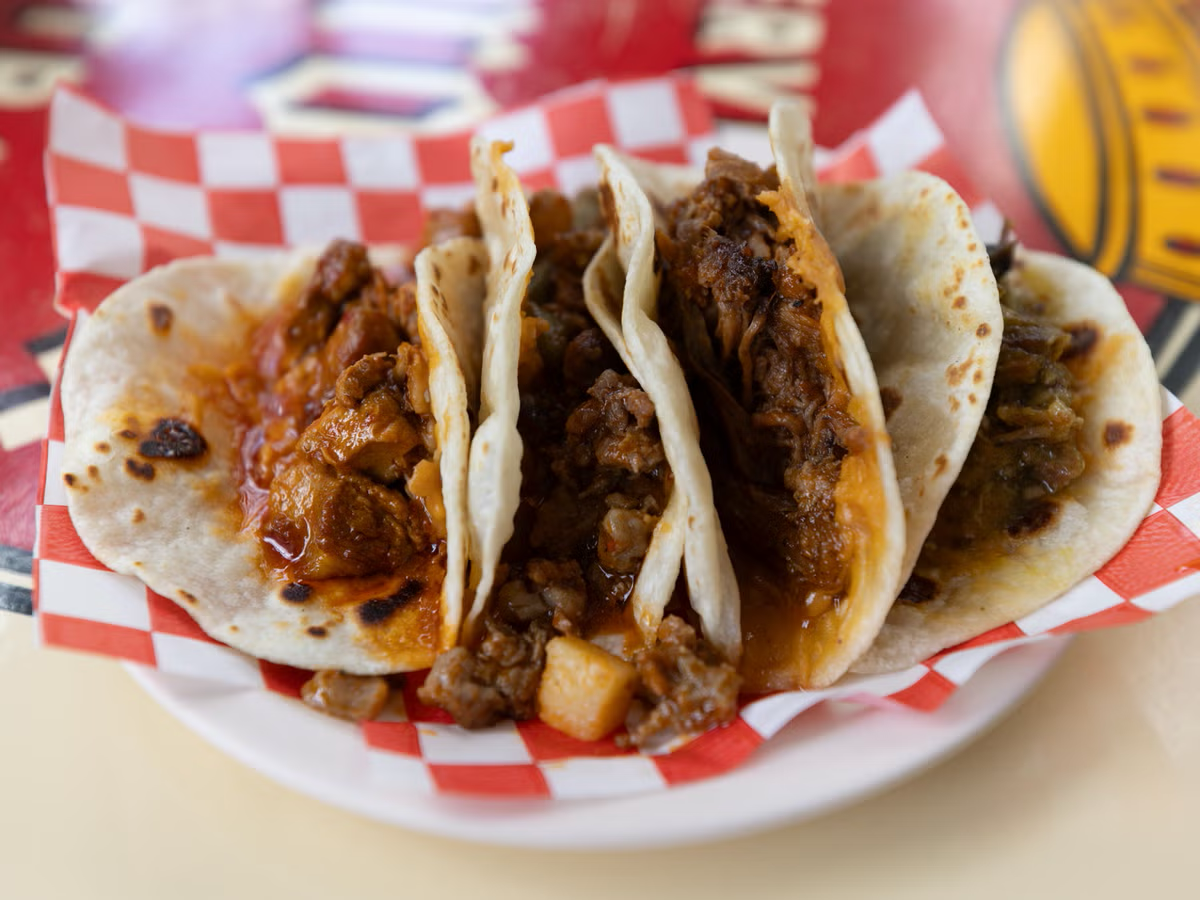
NEW DELHI: Food evolves as cultures interact, travel and share ideas. In today’s interconnected world, fusion cuisine has moved beyond restaurant menus and into home kitchens. One of the most exciting culinary crossovers gaining popularity in India is the blend of Mexican and Indian flavours — a pairing that feels surprisingly natural.
Mexican cuisine is known for its bold spices, beans, corn and layered textures. Indian food, too, celebrates robust spice blends, slow cooking and vibrant ingredients. This shared love for heat, depth and comfort makes the fusion of the two cuisines not just experimental but harmonious.
A NATURAL FLAVOUR PARTNERSHIP
At first glance, tacos and tadka may seem worlds apart. However, the foundation of both cuisines includes beans, chillies, tomatoes and aromatic spices. The technique may differ, but the flavour philosophy is similar: balance heat with tang, richness with freshness.
This compatibility has encouraged home cooks and chefs alike to experiment. Tortillas are now filled with spiced paneer, rajma and even aloo masala. Mexican staples are being reimagined with Indian tempering techniques, while classic Indian dishes are plated in burrito bowls and tacos.
REINVENTING FAVOURITES
One popular adaptation is the paneer taco, where cubes of paneer are marinated in Indian spices and tucked into soft tortillas with salsa and yoghurt-based sauces. The familiar comfort of paneer meets the handheld appeal of a taco.
Another example is the rajma burrito bowl. Traditional rajma, cooked with tomatoes, cumin and spices, is layered over rice and topped with lettuce, corn and sauces. The dish retains its Indian identity while adopting a Mexican-inspired format.
Even nachos have received an Indian twist, with toppings such as spiced chickpeas, chutneys and seasoned yoghurt replacing conventional cheese-heavy combinations.
WHY FUSION IS THRIVING
Several factors contribute to the rise of Mexican-Indian fusion in India. Increased travel and digital exposure have introduced global cuisines to Indian households. Social media platforms and cooking videos inspire experimentation, making international dishes accessible.
Younger generations are also driving this trend. They seek variety, convenience and customisation in their meals. Fusion food offers novelty without abandoning familiar tastes. It allows diners to experience something new while staying connected to their culinary roots.
Urban dining culture has further accelerated the movement. Cafes and casual eateries frequently feature fusion dishes that blend comfort with creativity. These experiments often influence home cooking trends.
TRADITION AND INNOVATION ON ONE PLATE
Fusion cuisine does not replace traditional food; it complements it. Classic Indian and Mexican dishes continue to hold their place, but creative reinterpretations expand the culinary landscape.
When tacos meet tadka, the result is more than a passing trend. It reflects how food adapts to changing lifestyles and global influences while remaining rooted in tradition. In Indian kitchens today, tortillas and tempering coexist — proving that flavour knows no borders.