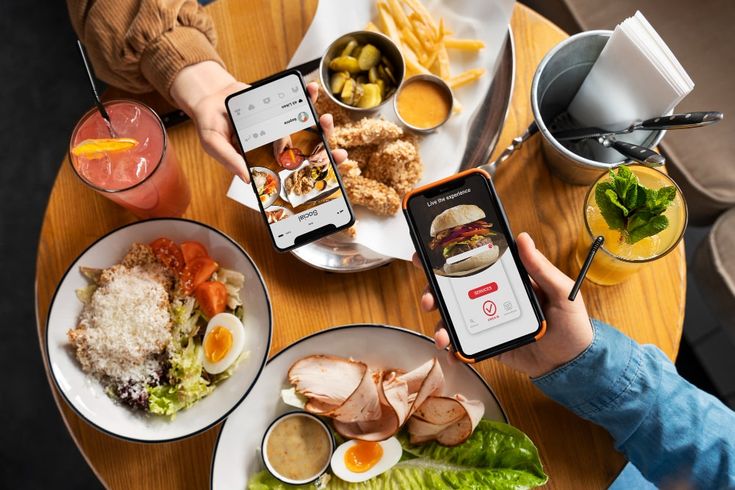
NEW DELHI: Every technological leap promises ease, but it often brings hidden costs. In India’s fast-expanding digital economy, food can now be ordered with a tap—sometimes arriving in under ten minutes. Groceries, snacks, and full meals are delivered to doorsteps, quietly reshaping how urban Indians eat, move, and think about food.
The need to walk to a neighbourhood store or plan meals in advance has steadily declined. In its place are algorithm-driven menus designed to maximize convenience and cravings. Platforms such as Zomato, Swiggy, Uber Eats, and quick commerce apps have transformed eating from a planned activity into an almost frictionless habit. While this has saved time, it has also reduced everyday physical activity and increased dependence on calorie-dense, ultra-processed food—raising concerns about long-term health.
Globally, obesity is already a major public health challenge. According to the World Health Organization (WHO), one in eight people worldwide was living with obesity in 2022. Of the 250 crore adults who were overweight that year, 89 crore were obese. Alarmingly, obesity is also widespread among children and adolescents, with around 16 crore individuals aged 5-19 affected.
India is no exception. UNICEF has warned that by 2030, India could have the highest number of overweight and obese children globally, with nearly 3 crore adolescents projected to be obese—about 11 per cent of the global burden. This rise matters because obesity significantly increases the risk of non-communicable diseases such as diabetes, heart disease, joint disorders, and also impacts mental health and quality of life.
The roots of this shift lie partly in the rapid growth of food delivery and quick commerce platforms. While online food ordering existed as early as the mid-1990s in the US, India’s food delivery boom took off only in the past decade. Affordable smartphones, cheap data, and rising incomes fuelled this growth. Zomato, founded in 2008, entered food delivery in 2015, while Swiggy, launched in 2014, accelerated the sector with its logistics-focused model.
A 2024 report by Bain & Company and Swiggy noted that India’s online food delivery market grew 2.8 times between 2019 and 2023 and is expected to grow at 18 per cent annually—far outpacing the overall food services industry. By 2030, online delivery could account for nearly 20 per cent of India’s Rs 9–10 lakh crore food services market. Eating out, once an occasional treat, is increasingly becoming routine, driven by mid-meal snacking and instant availability.
Emerging research suggests this shift has health consequences. Studies from China and the US have linked frequent use of food delivery apps with higher body mass index and obesity. A 2021 Indian study among medical and dental students found obesity was associated with poor fitness scores and a higher tendency to order junk food. Across countries, the most commonly ordered items tend to be calorie-dense foods such as burgers, pizzas, fries, and desserts.
Health concerns extend beyond nutrition. In India, incidents related to food safety in quick delivery services have raised red flags. In response, the Food Safety and Standards Authority of India (FSSAI) has tightened regulations, mandating licensing details, trained food handlers, and stricter monitoring of warehouses and storage facilities.
How can consumers stay healthy in this convenience-driven ecosystem? Rajni Maheshwari, Head of Dietetics at Max Super Speciality Hospital, Delhi, says these apps contribute to rising obesity and lifestyle diseases but should not be blamed alone. “Impulsive ordering, late-night cravings, and constant app notifications push people to eat without hunger,” she explains.
Panda recommends moderation—limiting online orders, choosing grilled or steamed options, watching portion sizes, and staying physically active. Cooking even a few meals at home, she says, helps rebuild a healthier relationship with food. She also stresses consumer vigilance: “Before food enters our mouth, we are the last checkpoint.” In a digital food economy, awareness and balance remain the strongest tools for protecting health.