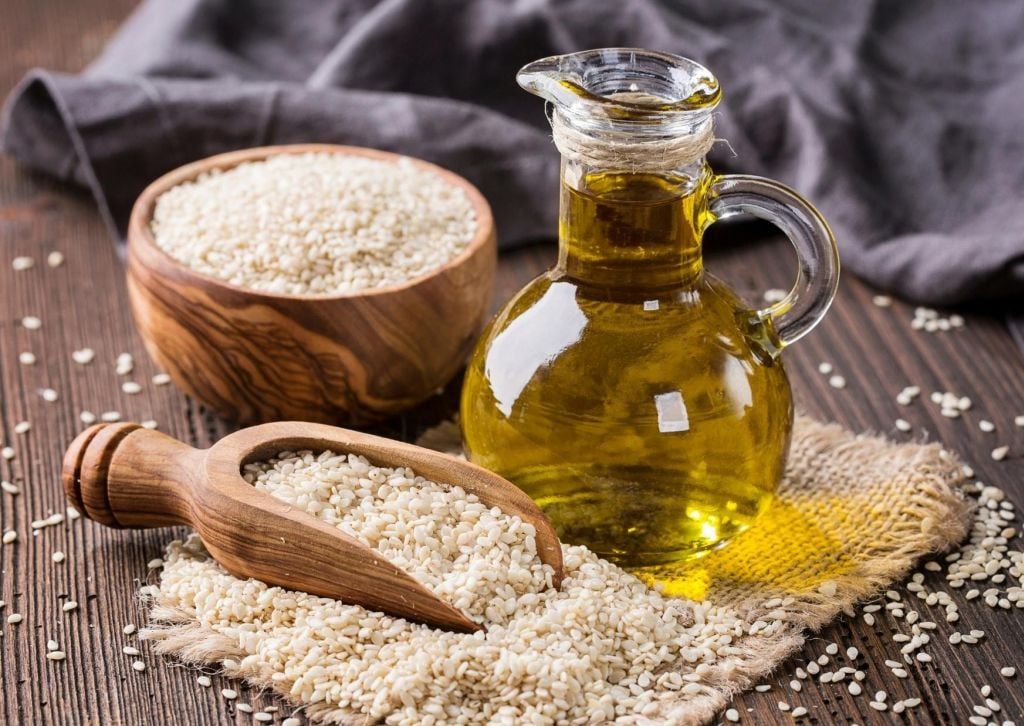
Sesame seeds may be small, but they deliver a powerful health punch. Used for centuries in cooking and traditional medicine, these nutty seeds are now drawing attention for their proven modern-day benefits. Rich in protein, healthy fats, and antioxidants, sesame seeds are far more than a garnish or the base of tahini. They contain unique compounds called lignans such as sesamin and sesamolin which the body converts into active forms that may help protect against disease.
Research suggests these compounds support heart health, help regulate blood sugar, and may reduce cholesterol levels. Sesame oil, valued for its resistance to rancidity, is widely used across Asian and Middle Eastern cuisines. Beyond its flavor, studies indicate it may help lower blood glucose levels in people with diabetes and improve lipid profiles. Some trials have also reported reductions in blood pressure, though findings remain mixed.
Pain relief is another area where sesame shows promise. Research suggests sesame seed powder and oil can reduce joint pain and improve mobility in people with arthritis. Topical application of sesame oil has demonstrated similar benefits.
Traditional medicine has long relied on sesame to treat ailments ranging from asthma to migraines. Modern research now supports its antioxidant and anti-inflammatory properties, linking sesame to potential benefits in conditions such as atherosclerosis, hypertension, and metabolic syndrome.
In essence, sesame is more than a kitchen staple—it is a functional food with broad health potential. While further research is needed, incorporating sesame seeds or oil into the diet may be a simple step toward better health. And with Makar Sankranti around the corner, sesame takes on a festive significance as well. In the form of til chikki and til laddus, these traditional sweets symbolize warmth and togetherness while delivering sesame’s nutritional goodness. Celebrating with sesame is not just cultural—it is a delicious way to embrace its health benefits during the season.