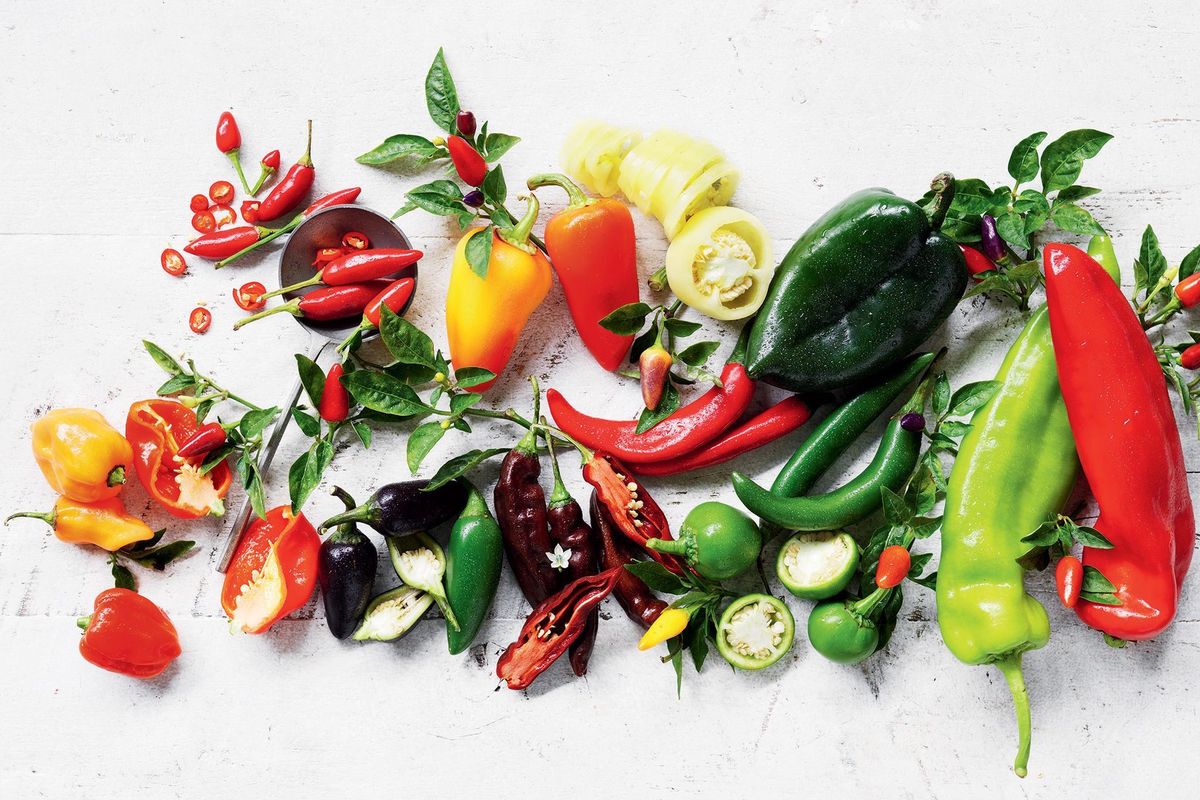
NEW DELHI: India’s relationship with chillies goes far beyond heat. Introduced centuries ago and shaped by regional climates, soil conditions and cooking traditions, chillies have become central to the country’s culinary identity. Across India, different varieties are chosen not just for pungency, but for colour, aroma and the way they build flavour. From the Himalayan foothills to coastal kitchens and arid interiors, each region has developed a preference for specific chillies that suit its food culture. Together, they reflect the diversity and depth of Indian cooking, where spice is about balance as much as intensity.
Here is a guide to ten of India’s most iconic chilli varieties and how they are traditionally used.
1. KASHMIRI CHILLI Kashmiri chillies are prized for their deep red colour and mild heat. Rather than overpowering dishes, they add warmth and an earthy flavour, making them ideal for recipes where colour is as important as taste. They are widely used across Indian cuisines in gravies, dals and festive dishes.
2. GUNTUR CHILLI Guntur chillies come from Andhra Pradesh and are known for their strong heat and rich colour. Commonly sun-dried and ground, they form the backbone of Andhra spice blends. These chillies are used in curries, chutneys, pickles and podis, contributing both pungency and depth.
3. BORIA CHILLI Small and berry-shaped, boria chillies are closely associated with Gujarati cuisine. They are sharply pungent and bright red. Traditionally, good-quality boria chillies rattle when shaken, indicating loose seeds. They are commonly used in tempering for dishes like Gujarati dal and kadhi.
4. BYADGI CHILLI Named after a town in Karnataka’s Haveri district, Byadgi chillies are valued for their intense colour and low heat. Often called the “colour chilli” of South India, they are used in masala pastes and gravies for dishes like bisi bele bath, sambar and rasam.
5. SANKESHWARI CHILLI Sankeshwari chillies originate in Karnataka’s Belagavi region and are also popular in neighbouring Maharashtra. They offer balanced heat and a slightly smoky depth when dried, making them ideal for coconut-based curries and spice pastes.
6. MATHANIA MIRCH An heirloom variety from Rajasthan, Mathania mirch is known for its rare balance of heat, colour and flavour. Often referred to as Lal Badshah, it is central to Rajasthani dishes like laal maas and ker sangri, where its flavour develops slowly during cooking.
7. BHUT JOLOKIA Also known as the Ghost Pepper, Bhut Jolokia comes from Northeast India and was once among the world’s hottest chillies. Despite its extreme heat, it has a long history in regional cooking and folk remedies. It is used sparingly in curries, chutneys and pickles.
8. JWALA CHILLI Jwala chillies are a common green chilli used in western India, especially Gujarat. Long, slender and sharply pungent, they are used fresh in everyday dishes like dals, vegetable stir-fries and temperings.
9. KANTHARI CHILLI Native to Kerala and the Western Ghats, Kanthari chillies are small but intensely hot. Used in minimal quantities, they add sharpness and aroma to fish curries, chicken dishes, spiced buttermilk and chutneys.
10. NORTHEASTERN INDIGENOUS CHILLIES Northeast India is home to several highly pungent local chilli varieties, known by different names across regions like Manipur and Mizoram. These chillies are commonly used in chutneys, fermented dishes and tribal cuisines, where flavour is built with restraint. From colour-rich chillies to fiercely hot varieties used sparingly, each chilli tells a story of place and palate. Together, they showcase how Indian cuisine uses spice thoughtfully—building flavour, not just fire.