Obesity and hypertension form a dangerous combination that significantly increases the risk of cardiovascular disease. Together, they raise the likelihood of heart disease by 2-3 times compared to either condition alone. Poor dietary patterns can greatly worsen the onset or severity of these conditions. Therefore, choosing a healthy diet is essential, as it can reduce the need for medications or even help reverse the condition. Such a diet should be low in saturated and trans fats, rich in potassium, calcium, magnesium, and fiber, and low in sodium.
FOODS TO CONSUME IN DIABETES AND HYPERTENSION
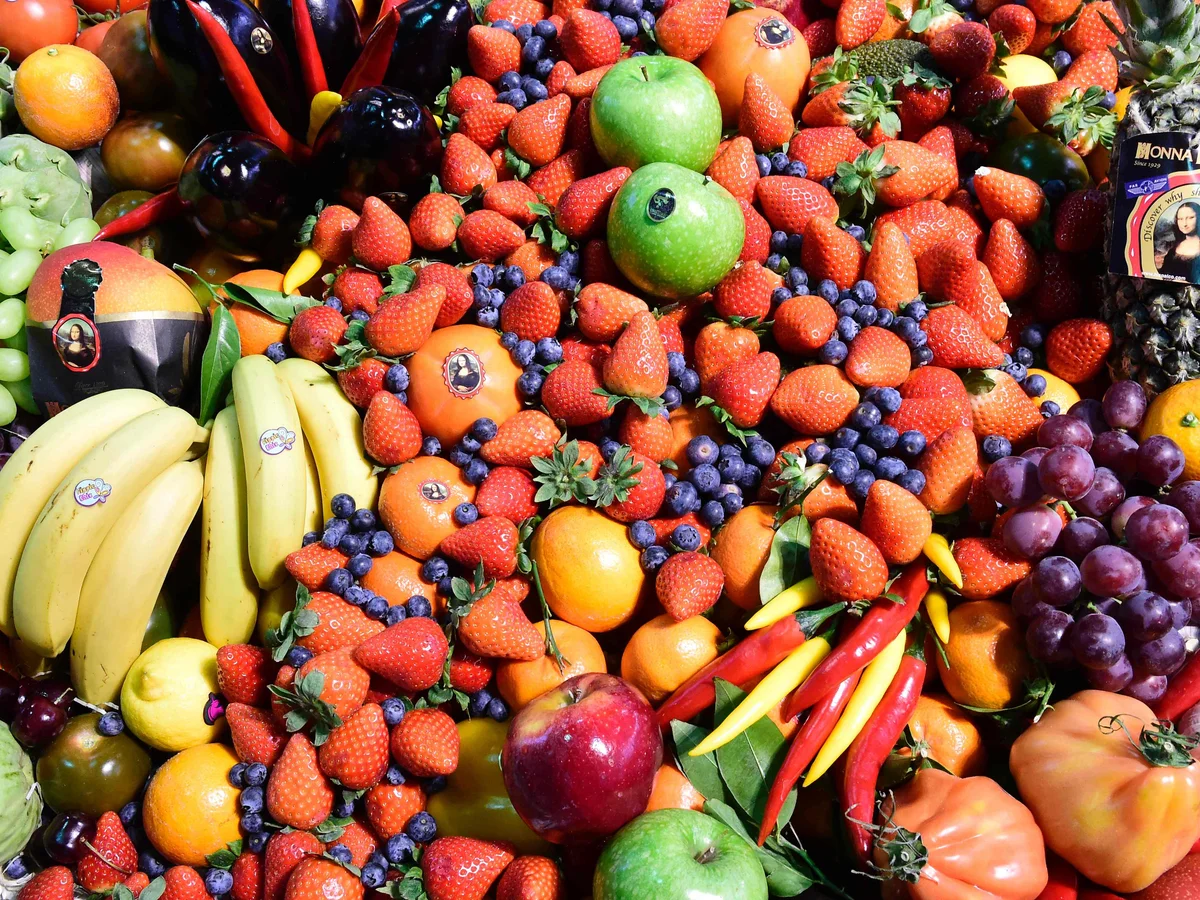
Vegetables and fruits: Vegetables and fruits contain flavonoids and antioxidants that improve endothelial function and reduce oxidative stress associated with obesity. Many of these foods are also rich in potassium, magnesium, and fiber, which support healthier vascular function.
Low-fat dairy: Low-fat dairy provides calcium, potassium, and lactotripeptides that contribute to antihypertensive effects by inhibiting the blood vessel constricting action of the angiotensin-converting enzyme. Fermented low-fat dairy helps reduce adiposity risk, supporting weight control in people with obesity and hypertension.
Fatty fish: Fatty fish such as salmon and mackerel are rich in omega-3 fatty acids. Omega-3s help improve endothelial function, reduce inflammation, and lower triglycerides, supporting fat loss and overall vascular health.
Garlic: Garlic contains allicin and sulfides, which help lower systolic blood pressure, support metabolic health, and aid modest weight management. Raw crushed garlic has been shown to significantly reduce waist circumference and blood pressure, supporting obesity hypertension control.
Dark chocolate: Dark chocolate (>70% cocoa) contains flavanols and polyphenols that enhance blood vessel dilation and reduce both systolic and diastolic blood pressure. These antioxidants improve endothelial function and support modest weight loss by reducing oxidative stress and inflammation in people with obesity and hypertension.
Olive oil: Olive oil is rich in oleic acid and polyphenols such as oleuropein and hydroxytyrosol. These compounds help lower LDL cholesterol, reduce inflammation, and improve endothelial function, leading to lower blood pressure. Olive oil also promotes satiety, supporting weight management in individuals with obesity.