
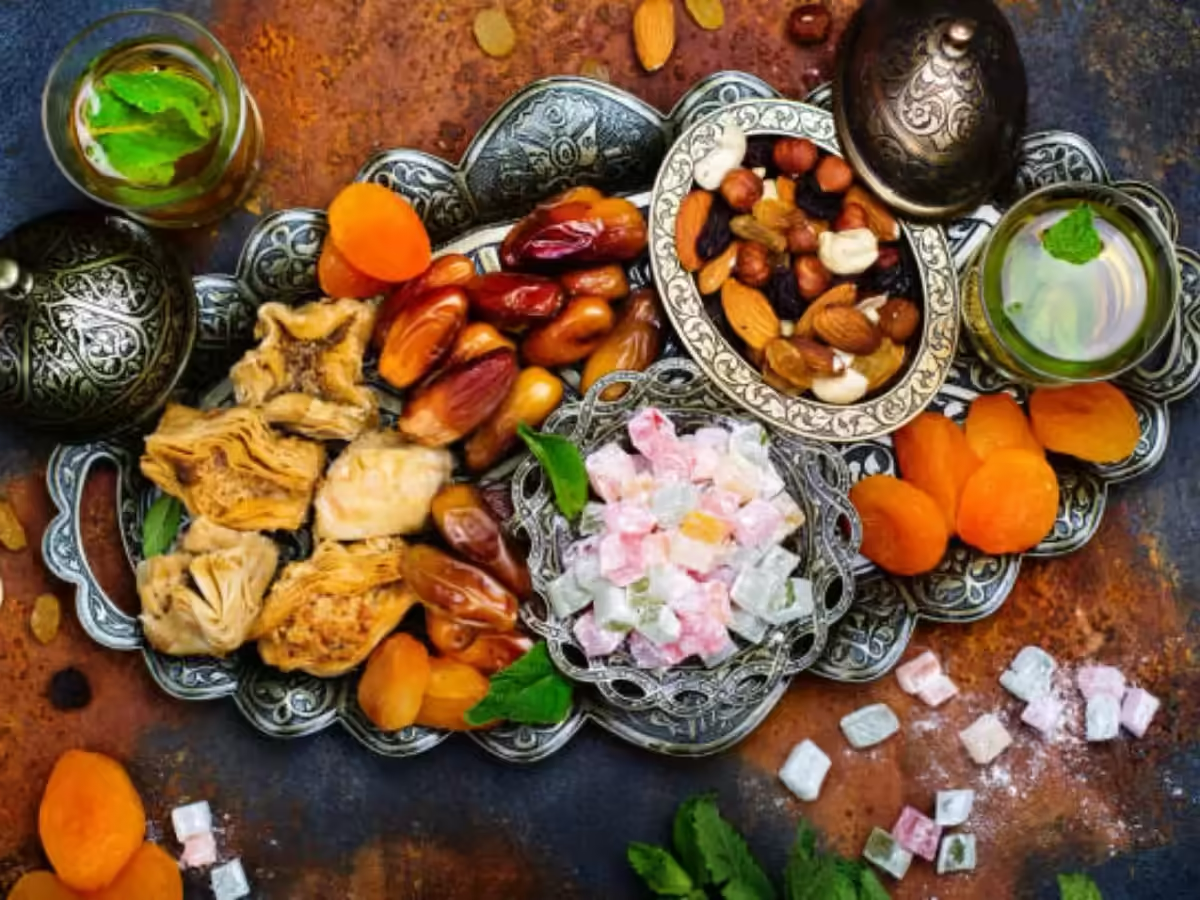
NEW DELHI: Before the first hint of dawn touches the sky, kitchens in Muslim homes quietly come alive. A soft clatter of utensils, the aroma of warm bread, the gentle pouring of tea and the sleepy gathering of family members signal the beginning of another Ramadan day. This is Sehri, the pre-dawn meal, and it is far more than breakfast. It is preparation, devotion and togetherness wrapped into one quiet moment before the fast begins. Flavours of Ramadan: The Culinary Heart of Sehri and Iftar.
WHEN FOOD BECOMES RITUAL
During Ramadan, food is not just about hunger. It becomes rhythm, nourishment and tradition. From the quiet pre-dawn Sehri to the festive sunset Iftar, the day revolves around carefully timed meals designed to sustain the body and uplift the spirit.
Unlike ordinary eating patterns, Ramadan food follows both nutritional wisdom and centuries of culinary heritage. Every ingredient, from slow-release grains at dawn to energy-rich dates at sunset, serves a purpose.
SEHRI: COOKING FOR ENDURANCE
Sehri is the meal that prepares the body for an entire day without food or water. Because of this, the focus is on sustaining dishes rather than rich indulgence.
Across Indian kitchens, Sehri menus often include protein-rich eggs, lentils, yogurt and milk paired with complex carbohydrates such as rotis, rice or porridge. Vegetable parathas, lightly spiced dal, boiled eggs and cold oats are popular choices because they digest slowly and release energy gradually.
Hydration is equally essential. Families prioritize water, fresh fruit and sometimes beverages like milkshakes to prevent dehydration later in the day. Salty and heavily fried foods are usually avoided, as they increase thirst.
Sehri cooking tends to be simple, warm and comforting. The emphasis is not on elaborate presentation but on balance and nourishment.
THE MARKET RUSH BEFORE SUNSET
If Sehri is quiet and restrained, the hours before Iftar are lively and aromatic. In markets across India, Ramadan evenings bring a surge of food activity.
Vendors arrange piles of dates ranging from soft Arabian varieties to locally grown types. Fruit sellers display watermelons, papayas and bananas for refreshing chaat. Bakeries pull trays of warm bread from ovens. Streets fill with the smell of frying snacks and slow-cooked meat.
This daily pre-sunset food preparation creates a festive culinary landscape that exists only during Ramadan.
Iftar Begins with Simplicity
Traditionally, the fast is broken with dates and water. This practice remains universal across cultures because dates provide quick natural sugars that restore energy immediately after fasting.
Nutritionists often recommend this gentle start because the stomach needs gradual reactivation. Many households follow the dates with fruit bowls, soups or light drinks before moving to heavier foods.
This structured sequence, simple sugars first, then light hydration, then cooked food, reflects both tradition and practical dietary logic.
The Great Iftar spread: once the fast is opened, the Iftar table transforms into a celebration of textures and flavours.
Fried snacks dominate the opening course. Samosas stuffed with spiced potatoes or minced meat, onion pakoras, bread rolls and kebabs are among the most familiar Ramadan foods. Their crisp exterior and hot filling offer immediate comfort after the long fast.
Fruit chaat is another staple, combining apples, bananas, pomegranate and seasonal fruits with light spices and lemon. It cools the body and restores hydration.
Among the most iconic Ramadan dishes in India is haleem, a slow-cooked mixture of wheat, lentils and meat simmered for hours until thick and velvety. Rich in protein and carbohydrates, haleem is both deeply satisfying and nutritionally dense, making it ideal for breaking the fast.
The Main Meal After Prayer
After initial snacks and evening prayers, families often sit for a fuller dinner.
This meal varies widely by region and household tradition. Fragrant biryani, mild kormas, grilled kebabs, stuffed breads or simple dal with rice may be served. Some families prefer heavy festive dishes, while others keep the meal light to avoid discomfort.
Despite the abundance, elders frequently remind younger members that Ramadan eating should remain mindful. Overeating defeats the physical discipline that fasting is meant to cultivate.
THE SWEET ENDING
Desserts during Ramadan are deeply symbolic and often traditional.
One of the most beloved is sheer khurma, made by simmering vermicelli in milk with dates, nuts and saffron. Its richness makes it a celebratory dish associated strongly with the season.
Other favourites include kheer, phirni, shahi tukda and semolina halwa. These sweets are rarely eaten alone. They are shared with visiting guests and sent to neighbours, reinforcing the social culture of Ramadan food.
STREET FOOD NIGHTS AND LATE KITCHENS
In many Indian cities, Ramadan evenings extend well past midnight. Food streets become vibrant culinary hubs where families gather after prayers.
Grilled kebabs sizzle on charcoal, bakers prepare fresh naan, vendors pour falooda and shops display rows of sweets glowing under bright lights. These night markets transform Ramadan into one of the most dynamic seasonal food experiences in the country.
Even those not observing the fast often visit these markets simply to experience the unique cuisine available only during this month.
MODERN NUTRITION MEETS TRADITION
Today, many families blend traditional Ramadan recipes with modern health awareness. Air-frying instead of deep frying, reducing sugar in desserts and including more fruits, nuts and lean proteins are becoming common practices.
Dieticians increasingly note that when planned carefully, Ramadan meals can actually encourage healthier eating habits by reducing constant snacking and promoting structured meal timing.
FOOD THAT BUILDS COMMUNITY
Perhaps more than any single dish, the defining element of Ramadan food culture is sharing.
Mosques organise community Iftar meals. Volunteers distribute food packets to travellers and workers. Neighbours exchange homemade snacks daily. Feeding someone who is fasting is considered a deeply meaningful act of generosity.
In this way, Ramadan transforms food into a bridge between households, communities and social groups.
MORE THAN TASTE
Ultimately, Ramadan cuisine is not remembered only for its flavours. It is remembered for the moments surrounding it.
-
The quiet warmth of Sehri.
-
The anticipation of sunset.
-
The first sip of water.
-
The crowded evening table.
-
The late-night dessert shared with family.
-
These experiences turn food into memory, and memory into tradition.
Ramadan reminds the world that meals are not just about consumption. At their best, they are about patience, gratitude and togetherness.
Ramadan, the holy month of fasting, is often described as a time of self-discipline, worship and personal growth. From sunrise to sunset, Muslims abstain from food and drink, but the experience is not merely about physical restraint. It is about reflection, compassion and gratitude. Food, during this month, takes on a deeper meaning. Every meal becomes intentional, every sip valued, and every shared dish becomes a reminder of community.
Sehri sets the rhythm for the day. Unlike ordinary morning meals, it must sustain the body for long hours ahead. Families choose foods that release energy slowly and prevent dehydration. Bowls of yoghurt, fresh fruits, eggs, lentils, porridge, flatbreads and lightly spiced vegetables commonly appear on the table. The goal is nourishment rather than indulgence.
Yet the true essence of Sehri lies not in nutrition charts but in its atmosphere. Children rub their eyes while elders gently encourage them to eat. Conversations remain soft, sometimes mixed with prayers or quiet laughter. Outside, the world is still asleep. Inside, a shared spiritual routine unfolds. Even those not fasting often wake briefly just to sit together, reinforcing the sense that Ramadan belongs to the entire household.
As daylight spreads, the fast becomes a test of patience and mindfulness. Hunger is expected, but the discipline extends beyond the body. People are encouraged to practice kindness, avoid anger, give charity and strengthen relationships. By afternoon, thoughts slowly turn toward sunset, and with it, the deeply anticipated moment of Iftar.
Across cities, towns and villages, the final hour before sunset carries a unique energy. Markets bustle; bakers sell fresh bread, fruit vendors arrange colourful displays and the smell of frying snacks drifts through neighbourhoods. In homes, tables are prepared carefully, often with a mix of everyday staples and special Ramadan favourites.
Traditionally, the fast is broken simply with dates and water. This small act holds centuries of meaning. Dates provide instant natural energy, while water restores balance to the body. But more importantly, the simplicity of this first bite reminds observers that the gratitude begins with the basics.
After this gentle opening, the Iftar table begins to unfold into a celebration of flavour and tradition. In many Indian households, fruit chaat and cooling drinks come first, easing the body back into digestion. Soon after, plates of golden samosas, crisp pakoras and savoury cutlets arrive, their warmth and crunch offering comfort after the long fast.
One dish especially associated with Ramadan evenings is haleem, a slow-cooked blend of grains, lentils, meat and spices stirred for hours until it becomes rich and velvety. Preparing haleem requires patience and teamwork, making it almost symbolic of the month itself. In some cities, large communal pots are prepared, feeding hundreds and turning cooking into a shared act of devotion.
For the main meal, families may serve fragrant rice dishes, mild curries, grilled meats or simple home-style dal and roti. While the spread can be festive, elders often emphasize moderation. Ramadan teaches balance, and overeating contradicts the very discipline the fast is meant to build.
Desserts complete the evening with a note of celebration. Sheer khurma, cooked with milk, vermicelli, dates and nuts, is among the most cherished. Kheer, phirni and halwa also appear frequently. These sweets are rarely eaten alone. They are shared with guests, sent to neighbours and offered to visitors, turning dessert into an expression of hospitality.
Perhaps the most powerful dimension of Ramadan food culture is the tradition of sharing beyond the family. In many communities, mosques organise open Iftar meals where anyone can join. Volunteers distribute food packets to travellers, labourers and those in need.