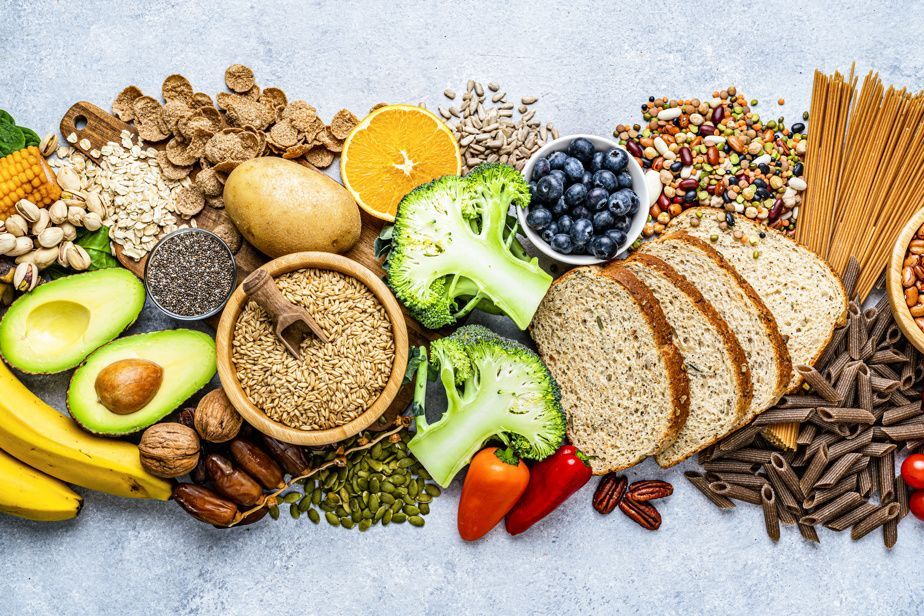
NEW DELHI: Scroll through TikTok or Instagram for a few minutes and chances are you will stumble upon bowls overflowing with lentils, seed-studded smoothies, fibre-packed salads and captions celebrating “perfect digestion.” What began as sensible nutritional advice has now morphed into a full-blown wellness obsession with a name to match: fibermaxxing.
The idea is simple—eat as much fibre as possible to improve gut health, control blood sugar, reduce inflammation and support weight management. But the action, fuelled by viral content and wellness influencers, is far from simple. The hashtag #fibermaxxing has crossed 150 million views on TikTok, signalling a major shift in how social media users are approaching food, digestion and health.
While fibre is undeniably essential, experts are increasingly concerned that the trend’s all-or-nothing approach may be doing more harm than good.
WHY FIBRE SUDDENLY BECAME THE INTERNET’S FAVOURITE NUTRIENT
Fibre’s rise to stardom didn’t happen overnight. For years, nutritionists have highlighted its role in improving digestion, supporting heart health and feeding beneficial gut bacteria. As conversations around gut health gained momentum, fibre naturally became the star player.
The World Health Organisation (WHO) recommends that adults consume around 25 grams of naturally occurring dietary fibre per day. Yet most people fall well short of this target. In the UK, for example, more than 54 per cent of daily calories come from ultra-processed foods, which are typically low in fibre and essential micronutrients.
Against this backdrop, fibermaxxing feels like a corrective movement—an attempt to undo years of fibre neglect. Bowls of legumes, seeds and whole grains are now framed as nutritional redemption. But experts warn that enthusiasm without balance can quickly tip into excess.
WHEN “MORE” STOPS MEANING “BETTER”
“The buzz around fibre is not inherently bad,” say nutrition experts, “but the problem arises when fibre is treated as a replacement rather than a complement.”
One of the key concerns with fibermaxxing is that it often sidelines other essential food groups. Viral videos frequently promote fibre-dense meals or supplements at the expense of adequate protein, healthy fats and carbohydrates. This skewed focus can disrupt overall nutrition.
Protein and fibre, experts stress, work together—not interchangeably. Protein supports muscle repair, immune function and hormonal balance, while fats aid nutrient absorption and cellular health. Carbohydrates provide the energy needed for daily movement and recovery. Replacing these with excessive fibre can leave the body under-fuelled and unbalanced.
In some cases, the trend pushes people toward fibre powders, supplements and highly concentrated source rather than whole foods, further increasing the risk of digestive distress.
THE DIGESTIVE DOWNSIDE OF GOING TOO FAST
Perhaps the most immediate consequence of fibermaxxing is its impact on the gut itself.
Eating too much fibre too quickly can overwhelm the digestive system, especially if someone has previously consumed a low-fibre diet. Common symptoms include bloating, cramping, abdominal discomfort and constipation—ironically the very problems fibre is meant to solve.
Excess fibre can also lead to increased gas production, which may escape at inconvenient moments, whether during a commute, a meeting or a workout. While often dismissed as harmless, persistent digestive discomfort can reduce quality of life and discourage people from maintaining healthy eating habits altogether.
Hydration plays a role here as well. Fibre absorbs water, and without sufficient fluid intake, it can harden stool and worsen constipation rather than relieve it.
HIDDEN NUTRIENT INTERACTIONS
Another lesser-known risk of excessive fibre intake is its effect on nutrient absorption.
Rapidly increasing fibre or consuming very high amounts can interfere with the absorption of important micronutrients such as iron, zinc and calcium. Iron, in particular, is essential for oxygen transport, energy levels and immune function. Reduced absorption can contribute to fatigue, weakness and deficiencies over time.
High fibre intake may also affect the absorption of macronutrients—the carbohydrates, proteins and fats that provide energy, support repair and help the body adapt to physical stress. For individuals who are highly active, pregnant or managing health conditions, this imbalance can have noticeable consequences.
BALANCE, NOT EXTREMES, IS THE REAL GOAL
Experts agree that fibre is most beneficial when introduced gradually and consumed as part of a varied, balanced diet. Slowly increasing fibre intake allows the gut microbiome to adapt, reducing the risk of bloating and discomfort.
Whole foods remain the best source of fibre, as they provide a natural balance of nutrients rather than isolated compounds. A plate that includes fibre-rich vegetables, adequate protein, healthy fats and complex carbohydrates is far more effective than extreme dietary swings driven by trends.
Fibre works best when it supports overall nutrition—not when it dominates it.
FIBRE-RICH FOODS THAT FIT INTO A BALANCED DIET
For those looking to increase their daily fibre intake safely, nutritionists recommend incorporating a variety of whole foods rather than relying on supplements alone. Some excellent options include:
- Lentils, which provide fibre, protein and iron
- Chickpeas, versatile and gut-friendly
- Roasted chana, a high-fibre snack option
- Tempeh, offering both fibre and protein
- Basil seeds, known for their digestive benefits
- Barley, a whole grain rich in soluble fibre
- Figs, which support bowel regularity
- Oats, beneficial for heart and gut health
- Okra, valued for its mucilaginous fibre
Pairing these with sufficient protein, fats and fluids ensures that fibre works with the body rather than against it.
THE TAKEAWAY
Fibermaxxing reflects a broader shift toward gut-conscious eating—and that is not a bad thing. Fibre deserves attention, especially in diets dominated by ultra-processed foods. But turning a nutrient into a competitive sport comes with real risks.
Gut health is built on consistency, variety and balance—not viral challenges or extreme intake goals. The smartest approach is not to “max” fibre, but to meet your needs steadily, through whole foods and thoughtful eating habits.
In the race for better digestion, moderation may be the most powerful wellness strategy of all.