
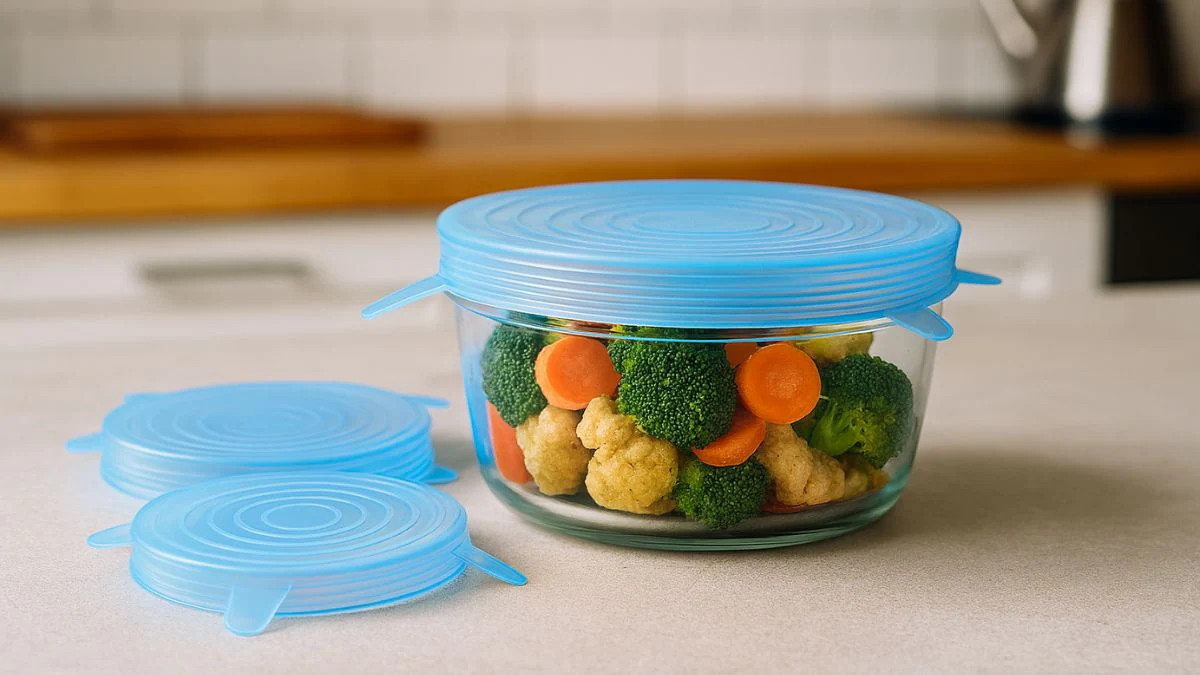
NEW DELHI: Silicone lids have become a popular kitchen staple for sealing leftovers, organizing meal prep and cutting down on single-use wraps. They’re flexible, heat-resistant and easy to clean—but as they replace plastic in more kitchens, many home cooks wonder, are they actually safe to use directly on food? Here’s what the research and experts say about silicone lids and food safety.
WHAT SCIENCE SAYS ABOUT SILICONE?
For everyday storage and normal kitchen use, silicone lids made from certified food-grade material are generally safe. Research shows silicone remains quite stable under typical temperatures and conditions experienced in home kitchens, without breaking down or leaching harmful substances into food.
However, some studies conducted under extreme laboratory conditions—such as very high heat or aggressive processing environments—have observed small amounts of silicone particles migrating into food simulants. It’s important to note these conditions are far more intense than common household use.
Scientists also point out that trace amounts of cyclic siloxanes (chemical residues that can exist in lower-quality silicone products) are a concern in theory, but high-quality, food-grade silicone undergoes purification to remove most of these compounds, making it stable and inert when used as intended.
HOW TO CLEAN AND CARE FOR SILICONE LIDS
Clean silicone lids properly to keep them fresh and safe:
-
Warm soapy wash: Use mild dish soap and warm water after each use to remove oils and food residue.
-
Dishwasher friendly: Most food-grade silicone lids are safe on the top rack of the dishwasher.
-
Baking soda soak: If lids retain strong odours (like curry or garlic), a short soak in warm water mixed with baking soda can help.
-
Vinegar rinse: A brief vinegar soak followed by rinsing neutralises lingering smells.
-
Inspect regularly: Replace lids that are cracked, sticky, discoloured or damaged—signs they may be degrading.
COMMON MISTAKES TO AVOID
Even high-quality silicone can fail if misused:
-
Don’t buy uncertified products: Cheap or uncertified silicone may contain fillers or chemicals not safe for food contact. Look for FDA or LFGB certification.
-
Avoid direct flames: Silicone is heat-resistant but not flame-proof—direct contact with open flames can degrade it.
-
Respect temperature limits: Don’t use silicone lids under broilers or at temperatures above what the manufacturer recommends.
-
Skip abrasive cleaning: Harsh scrubs can damage the surface and create tiny crevices where bacteria can hide.
-
Watch for smells or stickiness: These can indicate breakdown; replace such lids promptly.
SILICONE VS. PLASTIC
One big reason silicone is favoured is that it doesn’t carry BPA, phthalates and other concerning chemicals associated with some plastic wraps and lids. Certified food-grade silicone is generally more stable and less likely to release harmful compounds, making it an appealing reusable alternative in many kitchens.
Bottom line: when you choose food-grade silicone and use it within recommended conditions, silicone lids are a safe, reusable and eco-friendly option for everyday food storage.