
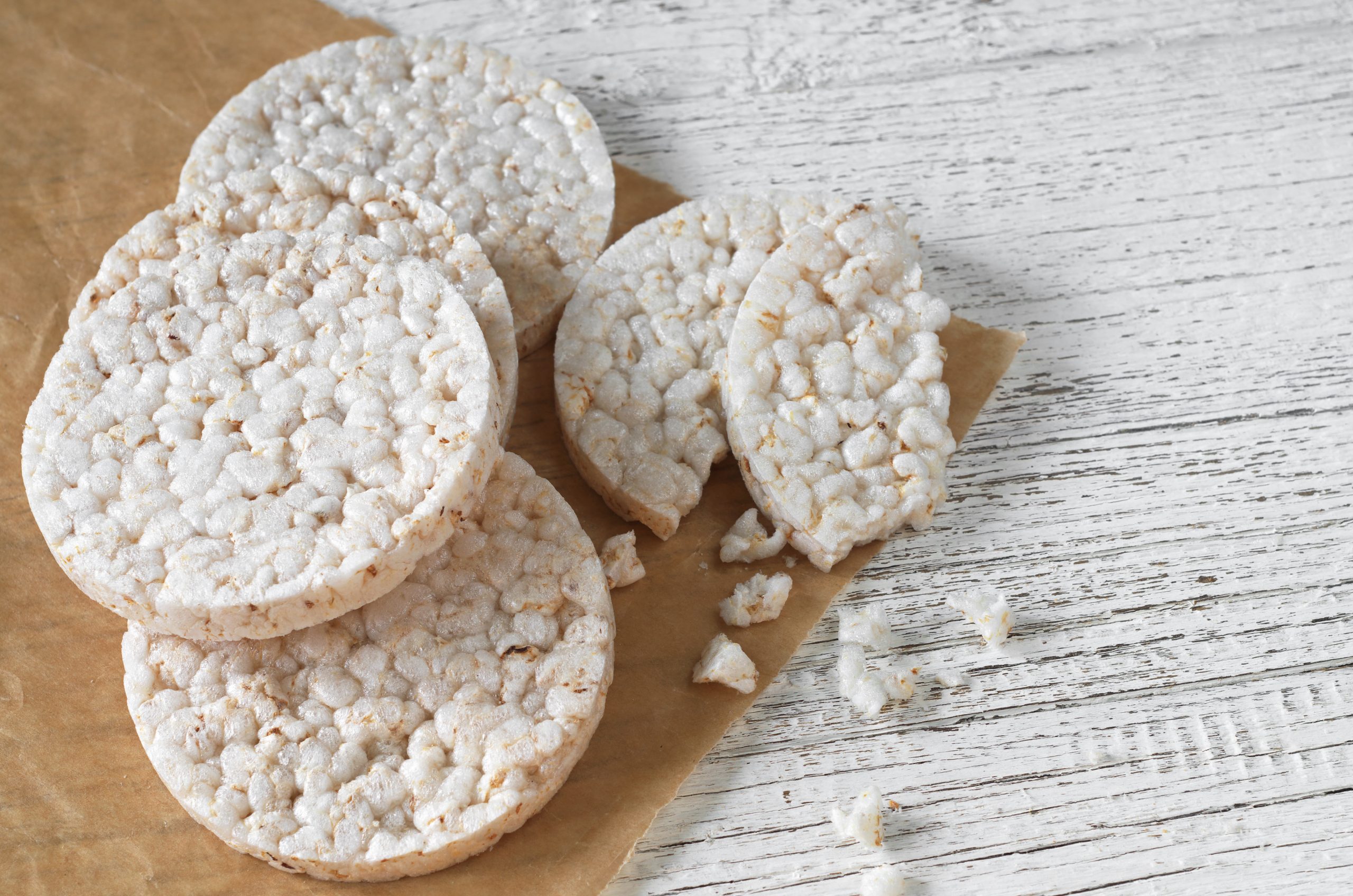
NEW DELHI: Brown rice cakes have steadily earned a place in diet culture, especially among people trying to lose weight. Light, crunchy, low in calories and easy to carry, they are often marketed as a “clean” alternative to bread, biscuits, or fried snacks. Made from puffed whole-grain brown rice, they are naturally gluten-free, fat-free, and minimally processed—qualities that make them appealing to health-conscious eaters.
But do brown rice cakes genuinely support weight loss, or are they simply benefiting from clever positioning as a low-calorie snack? Research offers a more nuanced answer.
LOW CALORIES, BUT LIMITED NUTRITION
From a nutritional perspective, brown rice cakes are low in calories but also low in key nutrients. Most contain very little protein and fiber—two components that are strongly associated with satiety and appetite control. Multiple nutrition studies have shown that diets higher in protein and fiber help people feel fuller for longer and reduce overall calorie intake across the day. Foods lacking these nutrients may not effectively support long-term weight management.
Because rice cakes are light and airy, they are also easy to overconsume. Research on “energy density” shows that foods with low weight but high carbohydrate availability can lead to mindless eating, especially when eaten as snacks rather than structured meals.
GLYCAEMIC INDEX AND BLOOD SUGAR SPIKES
One of the biggest concerns around brown rice cakes is their high glycaemic index (GI). Studies on high-GI foods indicate that they are digested quickly, leading to rapid spikes in blood sugar followed by sharp drops. This cycle can increase hunger soon after eating and may promote more frequent snacking.
Several population-based studies have linked diets high in refined or rapidly digestible carbohydrates with increased hunger signals and poorer weight-control outcomes. While brown rice itself is a whole grain, the puffing process used to make rice cakes significantly alters its structure, making it behave more like a refined carbohydrate in the body.
WHAT RESEARCH SAYS ABOUT SNACKING AND WEIGHT LOSS
Research consistently shows that snacks contribute positively to weight loss only when they are balanced—meaning they include protein, fiber, or healthy fats. Studies published in nutrition journals have found that snacks based solely on refined carbohydrates tend to increase daily calorie intake rather than reduce it.
In contrast, pairing carbohydrates with fats or proteins slows digestion, improves blood sugar response, and enhances fullness. This suggests that brown rice cakes work best as a base rather than a complete snack.
ARE THERE ANY BENEFITS?
Brown rice cakes do have some advantages. They are gluten-free, making them suitable for people with gluten intolerance or coeliac disease. They are also shelf-stable, portable, and require no preparation—factors that increase dietary adherence for people with busy schedules. Research on diet compliance shows that convenience plays a major role in whether people stick to calorie-controlled eating plans.
HOW TO MAKE RICE CAKES WORK FOR WEIGHT LOSS
Evidence suggests that brown rice cakes can fit into a weight-loss diet when paired strategically. Adding protein-rich or fat-containing toppings—such as nut butter, yoghurt-based spreads, cottage cheese, hummus, or eggs—significantly improves satiety and nutritional value. Studies on mixed-macronutrient meals consistently show better appetite control compared to carbohydrate-only snacks.
THE BOTTOM LINE
Brown rice cakes are not a magic weight-loss food, nor are they entirely useless. On their own, they are unlikely to keep you full or support fat loss. When eaten frequently and without balance, they may even increase cravings. But when used mindfully and paired with nutrient-dense toppings, they can be part of a calorie-conscious eating pattern.
Like most food trends, their effectiveness depends less on the product itself and more on how—and how often—you eat it.