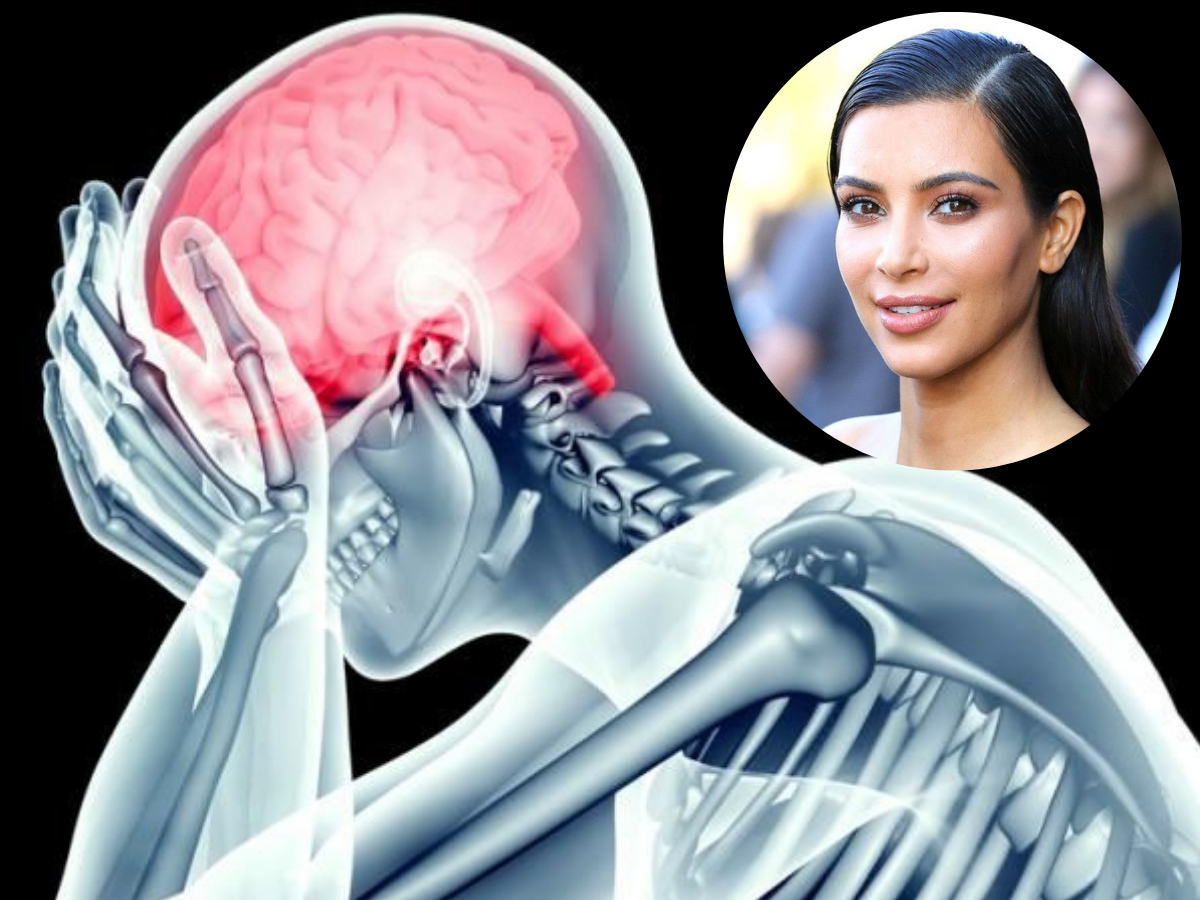
A brain aneurysm is a medical issue that usually sounds intimidating, but let’s learn about it in simple terms. It’s essentially a weak, bulging area on the wall of a brain blood vessel, such as a small balloon expanding with blood.
Kim Kardashian Diagnosed with Brain Aneurysm
Celebrity Kim Kardashian disclosed on her reality program that a routine test detected she had a “little” brain aneurysm. Hers was an unruptured aneurysm. That is, the bulge was detected before it burst. Most unruptured aneurysms are tiny and might never be a problem. Kim indicated that stress over her divorce may have been a contributing factor, because stress and high blood pressure are potential risk factors.
Brain Aneurysm Symptoms
Most small, unruptured brain aneurysms are completely without symptoms, and that is why they are usually discovered by accident during examination for something else. But a ruptured aneurysm is an emergency. When it ruptures, it leads to bleeding into the brain, a medical emergency.
Symptoms of an aneurysm rupture are abrupt and severe:
Sudden, very severe headache, usually described as the “worst headache of your life.”
Nausea and vomiting.
Stiff neck or fainting.
Even an unruptured aneurysm, if large enough, can lead to symptoms by compressing nerves, such as pain behind and above one eye or double vision.
Also Read: WhatsApp to Allow Messaging Without a Phone Number Soon
Who Else Has Had a Brain Aneurysm?
Kim Kardashian is not alone among celebrities who have experienced it. Game of Thrones star Emilia Clarke notoriously lived through two ruptured aneurysms. Actress Sharon Stone and rocker Neil Young are also celebrities who have overcome this life-threatening illness.
Is There an Age Gap for Brain Aneurysm?
A brain aneurysm may occur to anyone regardless of age, even to children. Though they are most prevalent in people aged 30 to 60 years. They are also slightly more frequent in women compared to men.
How Can We Cure a Brain Aneurysm?
The cure and treatment vary with size and if it has ruptured:
For Small, Unruptured Aneurysms (such as Kim’s): Usually, physicians opt for a “watch and wait” strategy with follow-up appointments and imaging tests. Lifestyle modifications such as smoking cessation and blood pressure control are crucial.
For Larger or Ruptured Aneurysms: Treatment is necessary to prevent blood from entering the weakened area. The two primary methods are
Surgical Clipping: A tiny metallic clip is inserted at the aneurysm’s neck during brain surgery.
Endovascular Coiling: A thin tube is threaded into a blood vessel to the aneurysm, and small wires or coils are inserted inside to close off the blood supply.
Early detection is crucial. If you or someone you know has a sudden, very severe headache, get emergency medical attention immediately.