Punjabi pop singer Guru Randhawa is in the spotlight for all the wrong reasons. His two recent songs, Sirra and Azul, have sparked major controversy—one in court and the other on social media. A local court in Ludhiana has summoned Guru Randhawa to appear on September 2. The complaint, filed by Rajdeep Singh Mann from Samrala, targets a line in the song Sirra, “We are the sons of Jatts. We got opium as our first food when we were born.”
The complainant claims the lyrics promote drug culture and insult the Jatt community. The court has asked Randhawa to appear either in person or through a lawyer under Section 223 of the Bharatiya Nagarik Suraksha Sanhita (BNSS).
Major streaming services like Apple Music, YouTube, Amazon Music, Instagram, Spotify India, and Warner Music India are also included in the case. These websites are charged with promoting the song in spite of its contentious nature.
Despite the backlash, Sirra has crossed over 60 million views on YouTube, showing its viral reach.
‘Azul’ Sparks Outrage Over Schoolgirl Imagery
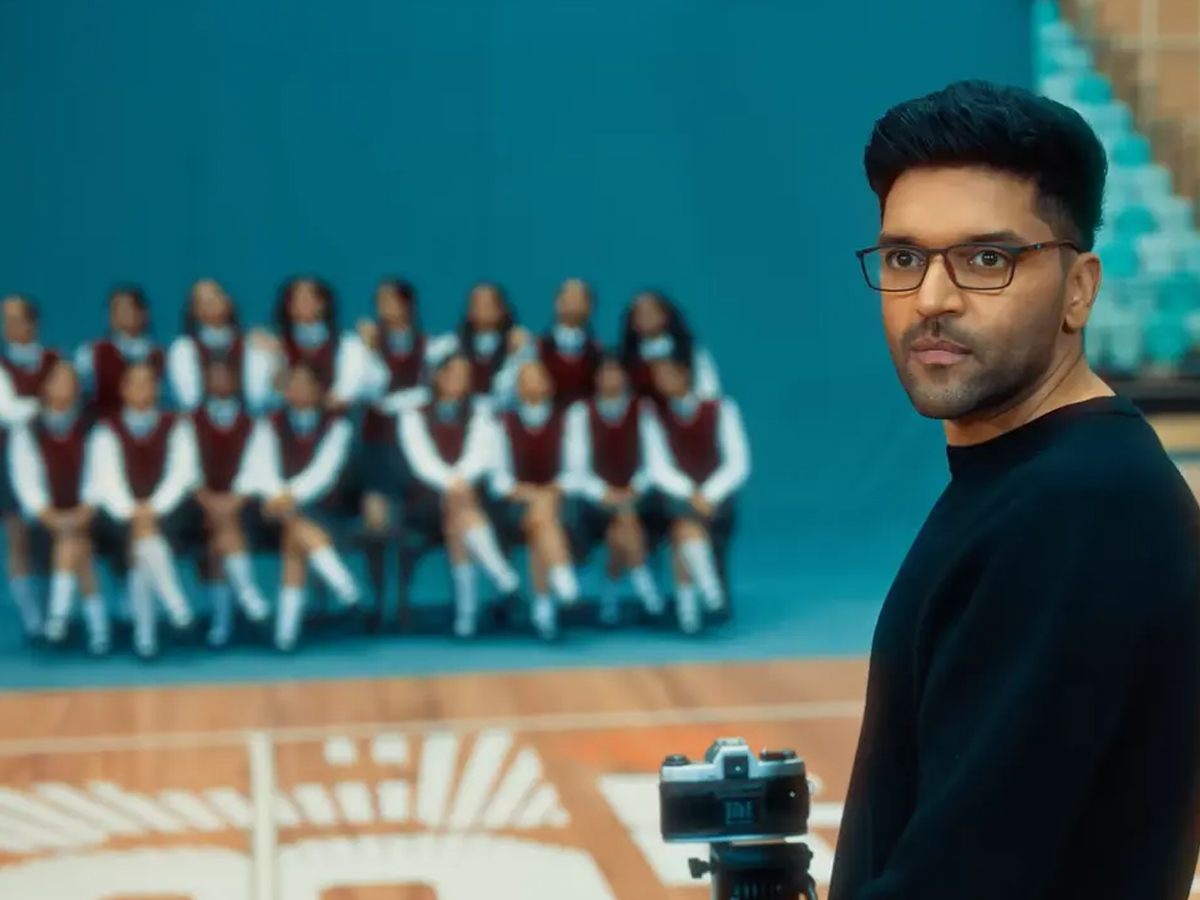
While Sirra faces legal scrutiny, Randhawa’s other track, Azul, is under fire for its music video. In the video, Guru plays a photographer visiting an all-girls school for a class photo. The video then shows him sexualizing the girls. The video starts with a warning, “This video is highly addictive.” But viewers were shocked by what followed. Guru not only sexualizes school girls but also compares them to various alcohol brands.
ALSO READ: Are Taylor Swift, Travis Kelce Living Together Post Engagement?
Many women have criticized the video. They say it promotes harassment and the sexualization of minors. Though the actresses are adults, they are dressed and portrayed as school-going girls. The song uses 15 alcohol references to describe the girls’ looks and personalities. Critics say this analogy is tone deaf and inappropriate, especially in 2025.
Social Media Reacts Strongly
The backlash has been intense. Social media users have called the video “problematic” and “disgusting.” Some say it glamorizes predatory behavior. Others argue that it normalizes the sexualization of minors.
Guru Randhawa has not responded publicly to the criticism. However, he has restricted comments on his Instagram posts, which many see as a reaction to the growing outrage.
A Bigger Conversation on Music and Responsibility
A broader discussion has been triggered by both controversies. The part that artists play in shaping cultural narratives is being questioned by critics and fans. Many people think that lyrics and images ought to be more responsible, particularly when they are viewed by millions of people.
Guru Randhawa’s team has yet to issue any official statement. As the court date approaches and the backlash continues, all eyes remain on how the singer will respond.