The recent GST Council meeting has given fresh life to public controversy and misinformation regarding taxing petrol, diesel, and alcohol, with the new GST system rolling out before key economic reforms. Let’s see and analyse what clarification government has provided.
Exclusion Continues: Petrol, Diesel, and Alcohol
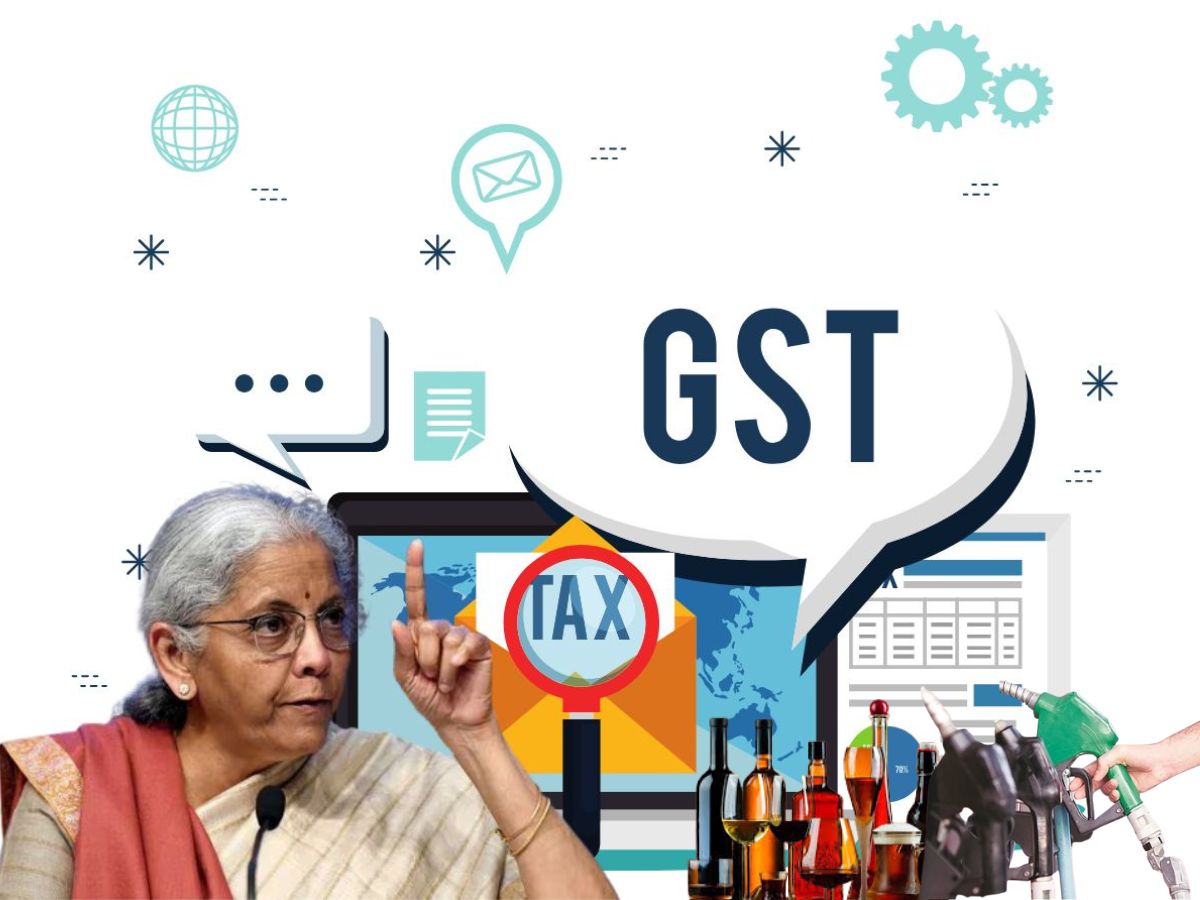
Despite of high hopes of bringing fuel and alcohol into the GST’s purview, Finance Minister Nirmala Sitharaman clearly stated in September 2025 that petrol, diesel, and alcohol will stay out of GST “for the immediate future”. These products long regarded as “revenue giants” for state governments are taxed almost entirely through excise duty and value-added tax (VAT), preserving vital fiscal independence for states.
ALSO READ | The Water Logging culprit no one blames!
When GST came into effect in July 2017, the exclusion was a compromise, meeting central government aspirations and state revenue reliance. The September 2025 GST Council meeting once again reiterated this position, with Sitharaman making it clear: “The current proposal does not include petroleum products or alcohol, and there is no timeline for their inclusion”. This reiteration occurs every time speculation increases in the run-up to key GST slab changes.
The Confusion Behind the Scenes
Speculation ran wild following the Council’s introduction of a new “three-tier” GST regime, cutting rates on household items, insurance, and cars, but increasing tax dramatically on ‘sin items’ like tobacco and high-end cars. Although social media and some news outlets reported that alcohol and petrol would soon be taxed under GST, the formal statement was absolute: no alteration for petrol or alcohol.
ALSO READ | Confused about Auto Sector Rates in the GST 2.0?
Escalating the confusion, most retailers and brands had reported incorrect new price regimes, wrongly implying declining rates for petrol and diesel or increased rates for alcohol after September 22, 2025. The GST Council has since made frequent clarifications affirming that alcohol and fuel taxes remain under the conventional state regimes. Consumers, industries, and transporters are cautioned to anticipate no alteration in tax regime or prices for these goods as a result of GST reforms.
Why Are These Items Outside of GST?
Petrol, diesel, and alcohol are significant revenue earners for state governments contributing lakhs of crores every year in aggregate. Their exclusion from GST would imply a switch of the tax base from state to centre pools, undermining fiscal autonomy and direct capital for state-led development. Political and economic compulsions have driven this consistent exclusion, to which are added fears of “one-size-fits-all” rates affecting consumption and inflation.
Clarification by GST Council
To end ambiguity, the GST Council and Finance Ministry now issue press notes on a regular basis reiterating the status quo. Sitharaman’s September 2025 announcement stressed: 99% goods and services fall under GST, but fuel and alcohol do not fall, nor are they likely to in the near future. Other products, such as automobiles, consumables, and luxury drinks, are impacted by the new GST rates, but not the commodities that have been the subject of much speculation.
ALSO READ | ITR: How to Download Acknowledgement After Paying Tax?
Nutshell
The 2025 GST reforms revise rates and roll out relief across industries but exclude the taxation of petrol, diesel, and liquor, at least for the moment. The government’s explicit clarification should root out any uncertainty, enabling businesses and citizens to correctly expect changes and budget with confidence.