
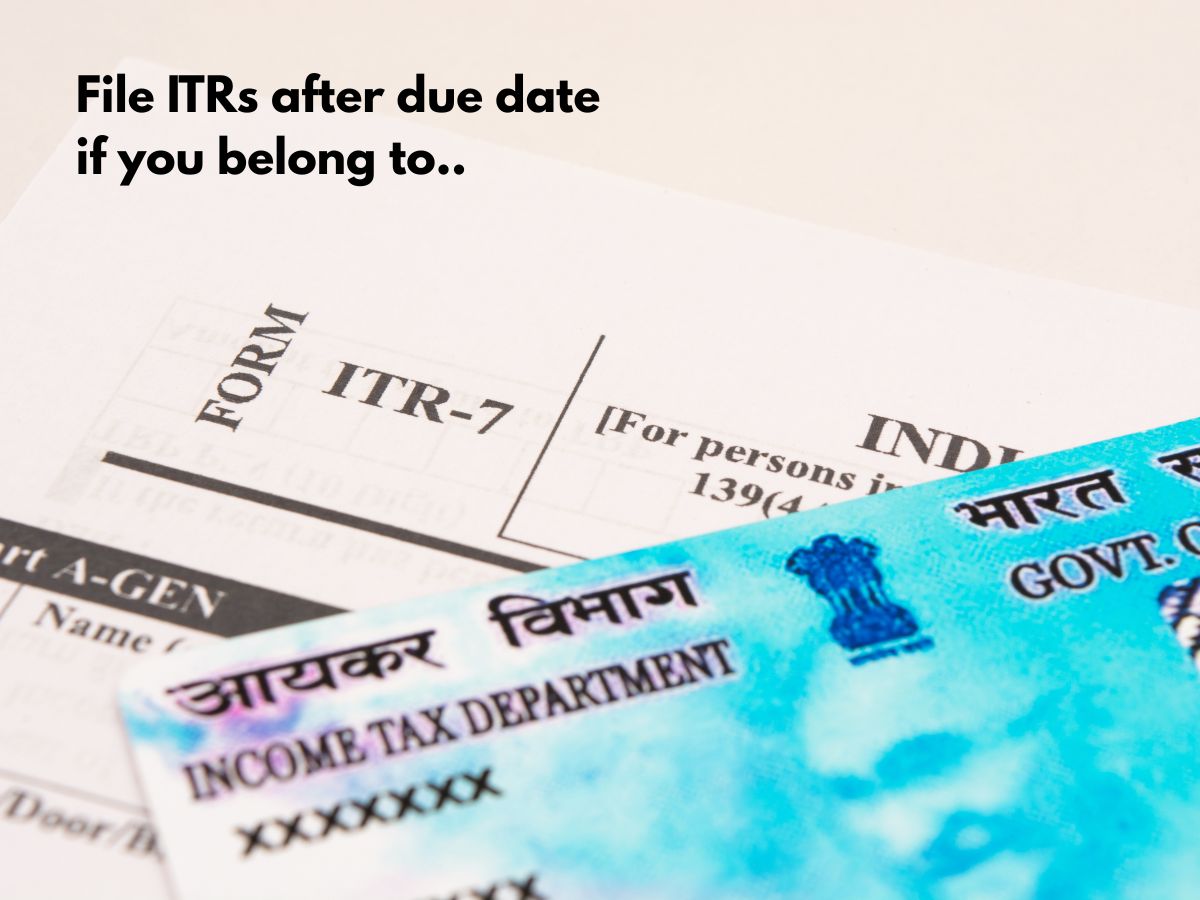
The date for submitting Income Tax Returns (ITR) for the Financial Year (FY) 2024-25 i.e. Assessment Year (AY) 2025-26 is also catching up quickly, and many key ITR forms have their dates of submission. Taxpayers need to make sure they submit the appropriate ITR forms within the respective due dates in order to escape penalties and interest payments.
Key Upcoming ITR Deadlines
The Income Tax Department has also postponed some deadlines this year. For others and non-audit cases, the deadline for filing ITR had been postponed to September 16, 2025, from July 31. Taxpayers who missed this date can still file returns delayed until December 31, 2025, but with extra late fees and interest burden. Corporates that need audits have their deadline for ITR on October 31, 2025, while those engaged in international transactions have to file by November 30, 2025.
Overview of Other Key ITR Forms and Due Dates
- ITR-1 (Sahaj): Filled by salaried individuals with income from salary, one house property, and other sources not in excess of ₹50 lakh. The due date was September 16, 2025.
- ITR-2: For individuals and Hindu Undivided Families (HUFs) with no income from business or profession but with capital gains, foreign assets, or income from other sources. The due date for this form was September 16, 2025 as well.
- ITR-3: For individuals and HUFs engaged in a proprietary profession or business. These audit cases are due on October 31, 2025.
- ITR-4 (Sugam): For taxpayers of presumptive income (small professionals and businesses). The due date for this form was September 16, 2025.
- ITR-5: For firms, LLPs, Association of Persons (AOP), Body of Individuals (BOI), and local authorities. These audit cases are due on October 31, 2025.
- ITR-6: For other companies except those claiming exemption under section 11. These audit cases are due on October 31, 2025.
- ITR-7: For political parties and charitable/religious trusts. These audit cases are due on October 31, 2025.
International or specified domestic transactions participants must file ITR on or before November 30, 2025, as it concerns transfer pricing reports pertaining to these transactions.
Penalty for Failing to Meet Deadlines
Filing ITR past the due date (September 16, October 31, or November 30 depending on cases) results in filing a belated return. Late filing incurs interest under Section 234A at 1% of the tax payable per month or part thereof. Late fee penalty under Section 234F can be up to ₹5,000 where taxable income exceeds ₹5 lakh and ₹1,000 where less than that. Late filing could also delay refund and cause complexity for future tax compliance.
Filing Tips and Updates
The Income Tax portal has been updated this year for ease of filing with alterations in tax slabs and provisions. It is advisable for taxpayers to file correct returns on time to save them from penalties. Changed and updated returns can be filed up to March 31, 2030, but filing on time minimises risks.
Taxpayers must go through the forms relevant according to their source of income and financial operations. Professional guidance is advised for intricate situations involving audit or foreign transactions.
Final Look
As important deadlines for multiple ITR forms are approaching, individuals, businesses, and professionals must schedule their tax submissions for FY 2024-25 ahead of time. Early submission helps in the avoidance of penalties, interest, and ensures easy tax compliance. The last due dates are:
- September 16, 2025: Non-audit and individual cases
- October 31, 2025: Audit cases and firms
- November 30, 2025: International transaction reports
- December 31, 2025: Deadline for belated returns
Prepare your papers in advance and submit your returns prior to deadlines to enjoy a trouble-free tax season.