
India is ready for a transformational overhaul of the Goods and Services Tax (GST), as the Centre proposes revised rates to lower tax burdens on items of daily use and rationalize higher slabs. The announcement comes on the heels of PM Modi’s pledge on Independence Day to introduce next-generation GST reforms by Diwali-eighth after the GST was rolled out in 2017.
New GST Rates: Simplification on the Horizon
According to government sources quoted by PTI, there would be two main rates-5% and 18%-plus a special 40% slab for luxury goods in the restructured GST. Items currently taxed at 12% would largely move to the 5% bracket, scrutinizing almost 99% of goods under that category. Caution might see about 90% of products under the 28% slab move to the 18% slab, intended to actually stimulate consumption with a revenue offset as rate rationalization.
ALSO READ: Big GST Reforms and Relief This Diwali, Promises the PM
The necessities of life, which are important to every common man, will have a 5% slab, whereas there will be a 40% GST for tobacco products-keeping the overall tax burden not far from 88%. However, petroleum products like diesel and petrol will still fall outside the GST umbrella.
PM Modi’s Vision: GST as a Growth Catalyst
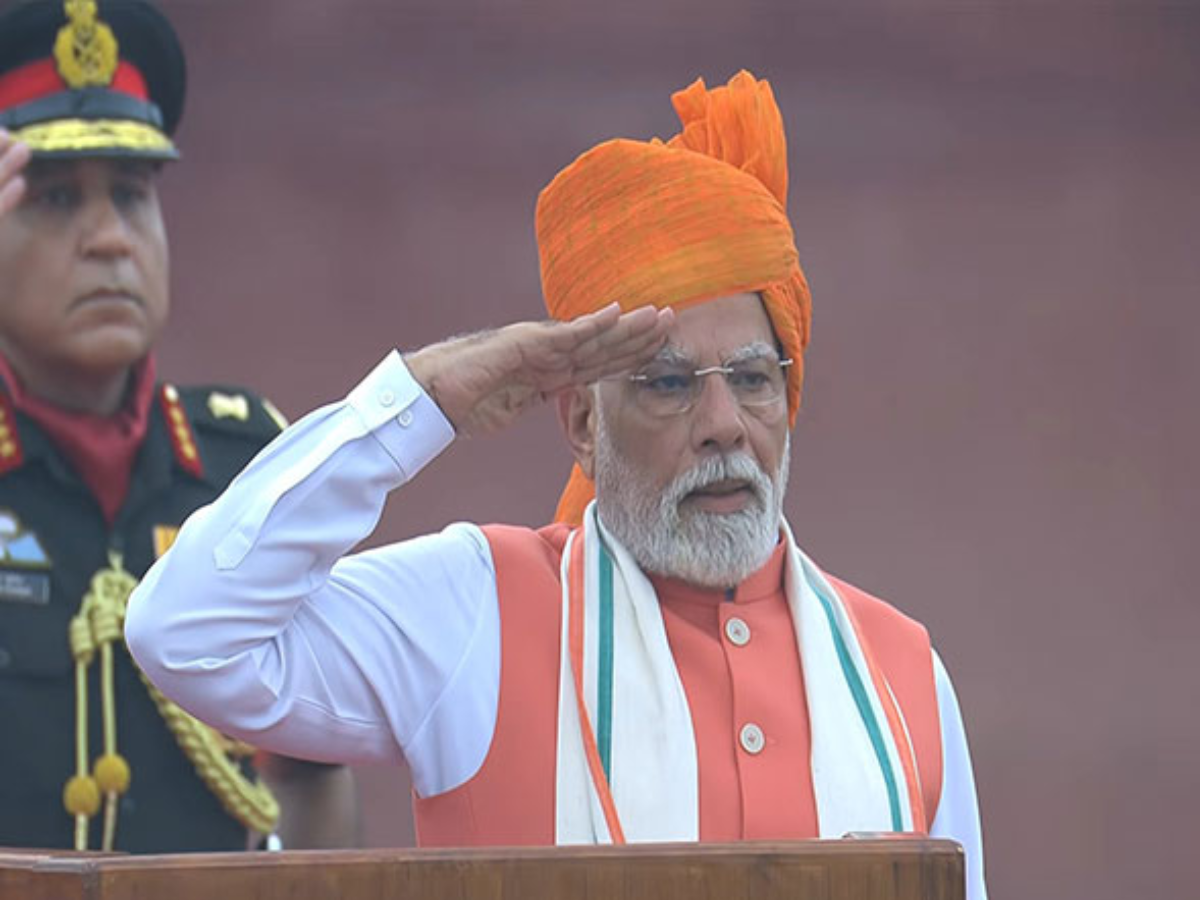
At the Red Fort, PM Modi stated that the reforms would benefit common people and small businesses alike. “Taxes on items used by the common man will be reduced to a large extent. Daily-use items will be cheaper, which will also help our economy,” he said. The PM went on to highlight that consultations with the state governments had already taken place, and a task force would ensure that the reforms were implemented within a time frame.
ALSO READ: ‘Nothing-doing, Mr. Trump’, PM Modi’s Clear Message on Agro-Dairy
He insisted that self-reliance in India was not only a function of trade; it went beyond that and focused almost entirely on indigenous capability building. Thus, the reforms would lead to the establishment of a resilient economy and one that is self-reliant and pays respect to the sacrifices of the freedom fighters of our nation by promoting the manufacturing of high-quality and reasonably priced products.
Concentrate on essentials, health and agriculture
This GST structure of India is seeing a major overhaul. The rate on household appliances like TV sets, air conditioners, refrigerators and washing machines is being lowered from the present 28% to 18%, thus benefitting consumers.
Items of daily use, food, medicines, and items related to education are proposed to remain taxable at nil or 5%. However, agricultural implements like sprinklers and farm machinery will be reduced from 12% to 5% for the sake of farmers.
Medicines, medical devices, and healthcare essentials are likely to face lower GST rates, and insurance services may drop to 5% or nil to provide better access to critical services.
Forward-Looking GST Framework
A GoM comprising state finance officials is actively engaged in refining the GST slabs to make them simpler, just and pro-growth. Analysts believe it will spur consumer spending, support MSMEs and help India stay the course of economic growth amidst global uncertainties.
In essence, the new GST framework is more than a tax reform; it is a preparatory step in building economic self-reliance, promoting welfare for the citizen and further strengthening India’s place in the world economy.
ALSO READ: ‘Pak Lover’: Rahul Gandhi, Kharge Slammed for Skipping Independence Day Event