
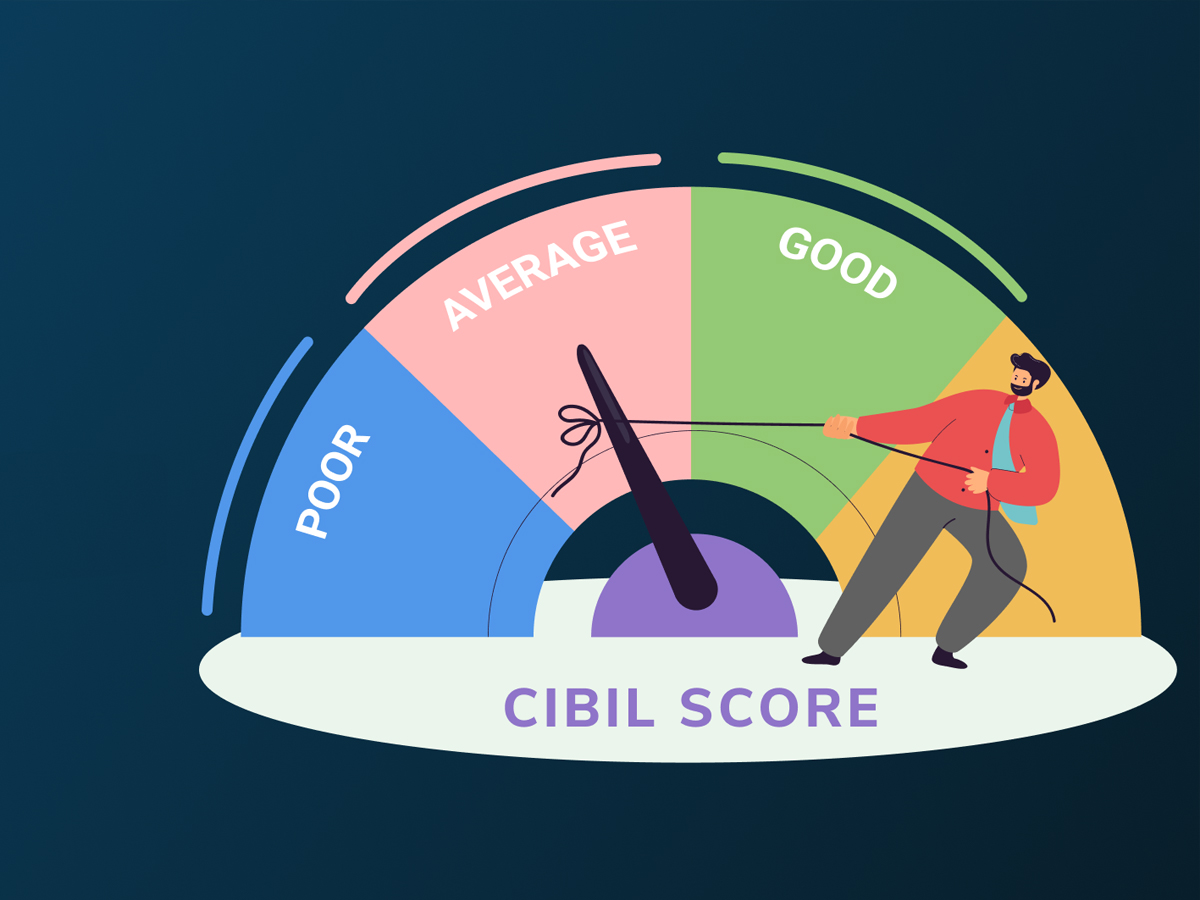
A CIBIL Score is a three-digit number that shows your credit history and how well you repay loans and credit cards. Banks and financial institutions use it to decide if you can get a loan or credit card.
A score of 750 or more is considered excellent. Lower scores may lead to higher interest rates or delays when applying for credit.
Your score depends on:
- Paying EMIs and credit card bills on time
- How many loans and credit cards do you have
- How much of your available credit you use
- How often do you apply for new loans or credit
- A higher score makes it easier to get loans with better terms.
How to Improve CIBIL Score
Even if your score is not perfect, you can improve it with simple steps.
1. Pay Your Dues on Time
Always pay EMIs and credit card bills on time. Set reminders or automate payments to avoid missing deadlines. Timely payments boost your score and reduce penalties.
2. Don’t Take Too Much Debt
Avoid taking many loans at the same time. Focus on paying off your existing loans first. Multiple loans at once can lower your score.
3. Keep a Healthy Credit Mix
Having both secured loans (like Home or Auto Loans) and unsecured loans (like Personal Loans or Credit Cards) helps your score. Too many unsecured loans may hurt your credit profile.
4. Apply for Credit Only When Needed
Only take new loans or credit cards when necessary. Applying for many loans in a short period can lower your score. Make sure you can repay any new credit before applying.
5. Monitor Joint or Co-signed Accounts
If you are a co-signer or have a joint account, missed payments by the other person can affect your score. Be careful with guarantees and joint loans.
6. Check Your Credit Report Regularly
Look at your CIBIL report often to spot mistakes. Sometimes, paid-off loans may not show correctly. Fix any errors quickly to protect your score.
7. Build Credit Slowly
Take loans responsibly and pay on time. Choose longer tenures for lower EMIs and increase your credit limit without spending more. Low credit usage improves your score over time.
How to Keep Your CIBIL Score Healthy
To maintain a good CIBIL Score:
- Always pay EMIs and credit card bills on time
- Avoid applying for many loans or cards in a short period
- Keep your credit usage low
- Maintain a balance of secured and unsecured loans
- Check your credit report and score regularly
Following these steps consistently keeps your CIBIL score strong. A healthy score makes it easier to get loans and credit cards with better interest rates.