
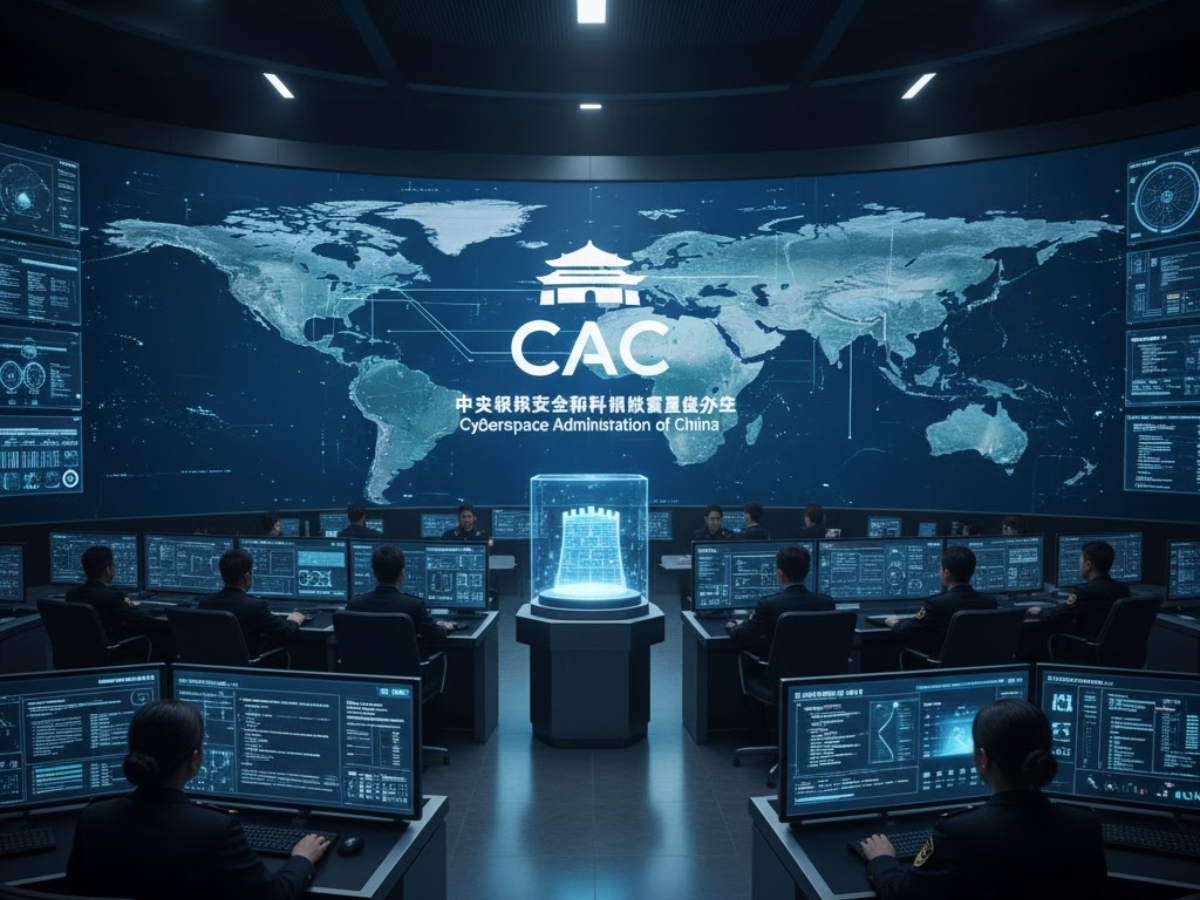
Influencers in China are no longer free to speak on anything they want, especially when it comes to serious subjects like health, finance, law, or education. Recently, the Cyberspace Administration of China (CAC) brought in Regulations on the Accountability of Internet Content Creators for Professional Topics.
The rule requires only those with verified credentials, such as degrees, licenses or government-recognised certifications, to create content on specialized subjects. Failure to do so invites the suspension of accounts, removal of content and fines up to 100,000 yuan (approximately Rs. 12 lakh).
Bold Attempt to Take on Misinformation
The move effective October 25, has been referred to as one of the strictest influencer verification systems in the world. It aims to rebuild public trust online, where self-proclaimed experts have long muddied the waters of advice versus misinformation.
For starters, such platforms like Douyin, known as China’s version of TikTok, alongside Weibo and Bilibili must verify creator credentials while displaying disclaimers in professional posts. A food blogger reviewing dumplings would remain untouched, but claiming those dumplings cure cancer is now a punishable act.
ALSO READ: Federal Reserve’s Second Rate Cut Comes as US Faces Inflation & Government Shutdown
How is the Mixed Reaction with Control or Common Sense?
The new regulation has received various reactions from different quarters worldwide. While supporters argue that the rule was necessary to ensure credibility in digital spaces filled by half-truths, critics view it as yet another layer of censorship in China’s already tightly controlled speech.
On social media, some users have termed the policy a speech exam or even the North Korea-ification of influencer culture. Nevertheless, analysts suggest that as many as 90% of China’s health and finance influencers may be impacted by the new regulations, which would require them either to work with certified professionals or transition into lifestyle content.
India Battles Online Misinformation
In contrast, India still remains overwhelmed with misinformation from dubious health and financial tips being passed on by influencers to baseless claims of COVID-19 cures and vaccine side effects during the pandemic, 500 million-plus social media users have been exposed to a deluge of misinformation.
ALSO READ: JD Vance on His Hindu Wife Usha: ‘I Hope One Day She Finds What I Found in Church’
Even prominent figures such as Sridhar Vembu, CEO of Zoho, have forwarded unfounded claims about cow urine’s healing properties. Myths race ahead of facts because there is no accountability.
What is the Future of Learning and Digital Responsibility
Beyond misinformation, India’s youth increasingly depend on social media for education learning exam shortcuts, financial advice, and even science lessons from influencers. Algorithms feed them repetitive perspectives, making them mistake popularity for accuracy.
As attention spans shrink and quick content dominates, the question arises: Should India, like China, enforce minimum qualifications for those shaping public understanding? Regulating influencers may not be censorship it could be a safeguard for truth in the digital classroom.
ALSO READ: Trump’s Asia Tour 2025: Ceasefire, $350 Billion Trade Deal & Nobel Nods Mark a Diplomatic Blitz
Disclaimer: This article is for informational purposes only. It does not promote or support censorship or any political agenda.