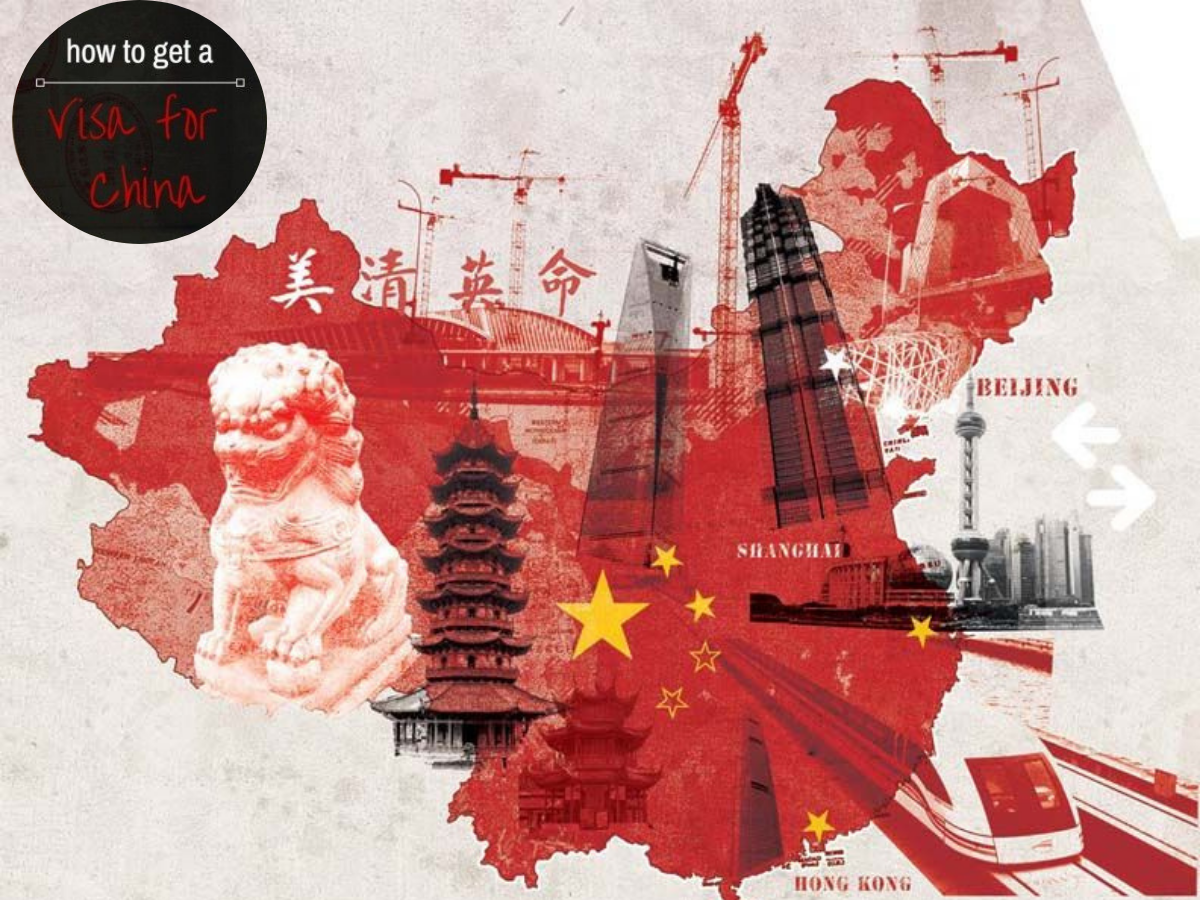
China will officially introduce a new visa category known as the K visa starting from October 1, 2025, specifically tailored to attract young professionals and researchers in STEM (Science, Technology, Engineering and Mathematics) fields.
The amendments to the current entry and exit rules for foreigners can be seen in the unveiling of this visa. It seeks to make China more attractive as a hub for global talent at a time when other countries are tightening work visa norms.
K-Visa vs U.S. H-1B Visa: What Sets Them Apart?
The United States H-1B visa and the K visa is distinctly different from the two things involved as a structure and accessibility. The H-1B is dependent on a sponsoring employer and it has a very steep annual application fee of $100,000.
The K visa requires no employer sponsorship at all and presents more open-ended, flexible entry process for global talent and it is seen as a strategic move to make China more inviting to skilled immigrants.
Is it coincidence or coordination ? H1b or K visa ? China competing with US for talent. pic.twitter.com/Wn7u6vtDpU
— Seanrina Investments (@Senthil14530258) September 21, 2025
ALSO READ: How Did Trump’s USD 100,000 H-1B Fee Cause Chaos for Workers and Companies?
Who is Eligible to Apply?
The K visa is intended for young scientists and professionals with bachelor’s degrees or above in STEM fields obtained from universities and research institutes recognized worldwide, as defined by the Chinese Ministry of Justice.
It also covers those who are engaged in actual teaching or research. The Chinese consulates worldwide will soon publish specific document requirements and although candidates will need proof of education and experience.
What are Key Features of the K Visa?
Like the traditional work visa types in China, the K visa does not feature any advantages:
- No need for a Chinese employer invitation
- Multiple entry validity
- Longer duration of stay
- Eligibility to participate in cultural, academic and business activities
These aforementioned attributes make the K visa one of the most liberal work-related permits that China has ever made available.
ALSO READ: US lawmakers seek to ‘break the ice’ in China visit amid trade, TikTok tensions
The K visa is not an isolated policy it is among the larger set of policies that China has instituted on the foreign shores of skilled professionals. Recent changes include visa-free entrance for more than 75 countries and also extended visas free transit policies.
Over 38 million cross borders in the first semester of 2025 for China, with a percentage increase of 54% in visa free entries for the first time signaling a strong rebound in global engagement.
What This means for South Asian?
The rising costs and uncertainty with the U.S. H-1B visa, South Asian professionals, Indians have turned their eyes out for new alternatives, among which is the cost-effective yet streamlined route offered by the K visa to international careers in China.
While not equivalent to the prestige categories of Western visas in the long run, it is a clear reflection of the ambition of Beijing to attract some of the best minds from around the globe from emerging economies.
Disclaimer: Visa policies are subject to change. Refer to official Chinese embassy websites for latest updates and eligibility rules.