
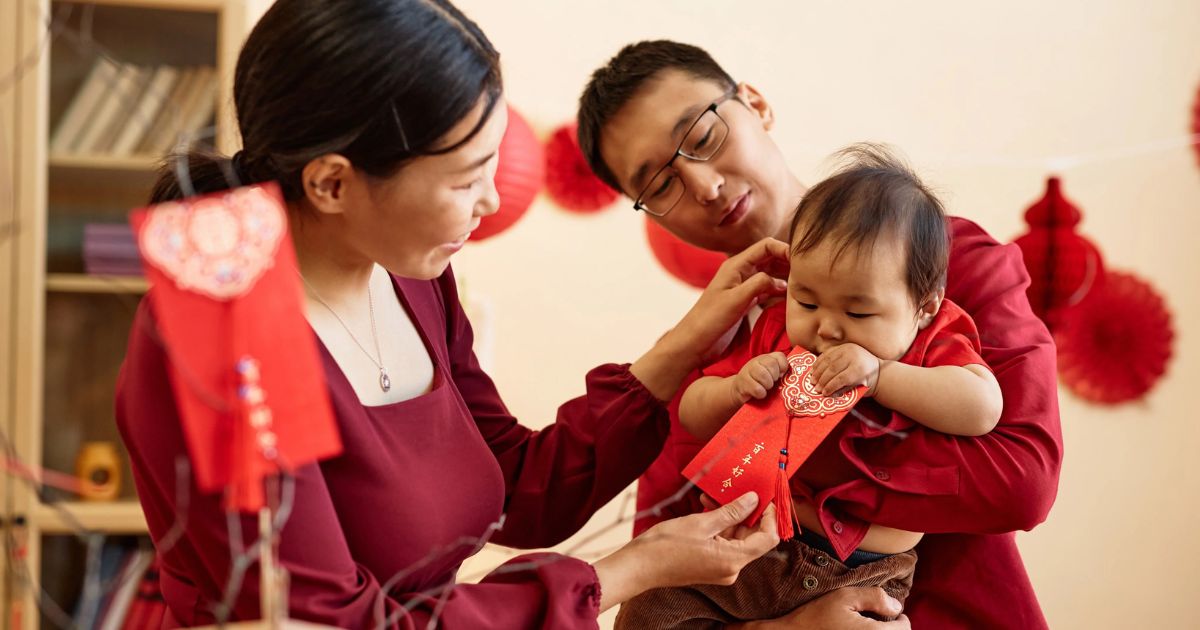
In a major step to stem its falling birth rate, China has unveiled a nationwide subsidy of 3,600 yuan (£376) a year for parents of children under three. The policy, announced on Monday, will be backdated from 1 January 2025, and those with children born between 2022 and 2024 will receive part-time subsidies, state-run Xinhua news agency said.
The National Health Commission estimates that close to 20 million families will be covered by the initiative. Noteably, the subsidy will not count as taxable income and won’t influence poverty relief program eligibility.
China’s population has been shrinking steadily for three consecutive years. The National Bureau of Statistics reported that the country’s population dropped by 1.39 million in 2024, bringing the total to 1.408 billion. This followed a more significant decline of 2.08 million in 2023 double the drop in 2022, which marked China’s first population decrease in six decades.
Experts attribute this to enduring demographic problems such as the impact of the one-child policy that was imposed from 1980 to 2015, accelerated urbanisation, and a lopsided sex ratio influenced by a patriarchal bias for male children. The incidence of marriage is also declining. Only 6.1 million couples legally registered their marriage in 2024, plummeting from 7.7 million in the previous year.
The new subsidy comes in the wake of similar local measures rolled out in over 20 provinces. Hohhot, the Inner Mongolia capital, for example, had a policy of providing up to 10,000 yuan (£1,045) per year for parents until their third child reaches the age of ten. New mothers there also get free milk every day and an electronic 3,000-yuan (£313) voucher for dairy products. Other urban centers, including Shenyang and Changchun, provide 1,800 to 3,600 yuan subsidies per child, and others provide one-time bonuses for birth.
Although the subsidy assists parents in paying for necessities such as baby formula and diapers, experts contend that more fundamental structural issues continue to deter youth from having children. Increased living expenses, unemployment insecurity, costly education, and entrenched gender roles are the main issues.
“Subsidies are helpful, but they don’t address the entire issue,” said Ma Ying, a parent in Guyuan, Ningxia.
Yale University demographer Emma Zang shared similar concerns and emphasized that long-term fertility improvement relies on deeper reforms in childcare affordability, parents’ job security especially women’s and more comprehensive parental leave policies.
To facilitate these objectives, Sichuan province offered to extend marriage leave from 25 to 150 days and extend maternity leave from 60 to 150 days as part of measures to encourage a more family-friendly culture.