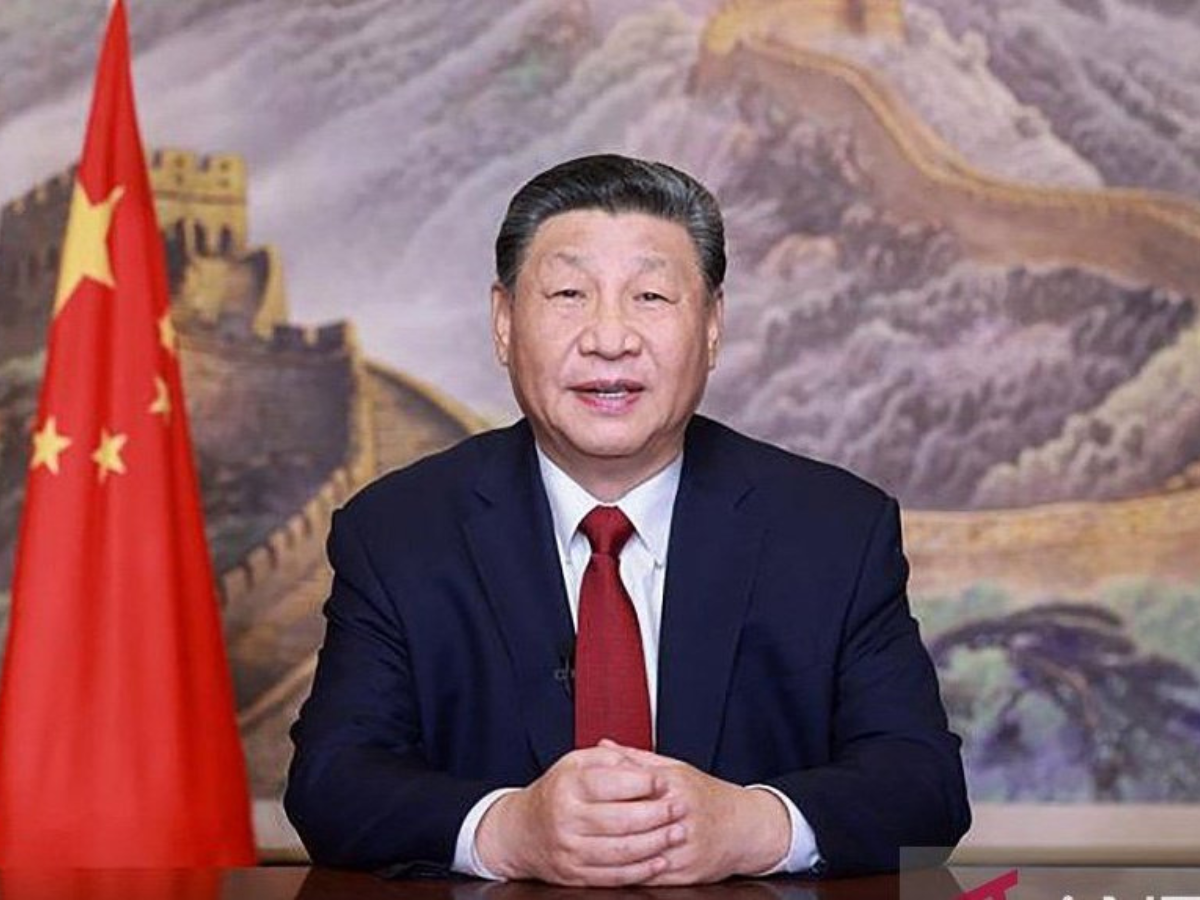
In a tough diplomatic rebuke, China has strongly rejected the plan by the United States to apply tariffs to nations purchasing Russian oil. China indicated that its energy decisions were a question of national sovereignty and wouldn’t be influenced by pressure from external factors.
China Responds To U.S. Tariff Policies
This follows reports that Washington is considering punitive trade measures against countries. It particularly advised China, the largest consumer of Russian crude, that continued trade between the two could result in high tariffs on China.
“China’s purchasing choices are their own and we will not trade off energy independence,” a Foreign Ministry spokesperson said on Wednesday. Experts interpret this as an express threat to the Biden administration.
The statement highlights Beijing’s ongoing defiance of Western-led sanctions on Russia. China, the world’s second-largest oil consumer, has been one of Moscow’s main energy partners since the 2022 invasion of Ukraine. It has increased its imports of Russian crude despite global attempts to isolate the Kremlin economically.
Tensions Rise Amid Global Trade Realignments
The suggested U.S. tariffs to hit other nations that trade energy with Russia have caused unease among some of the world’s largest economies, such as India and Turkey. Yet China’s move is the most assertive to date, reflecting increasing tensions between Washington and Beijing over trade, energy security, and global alignments.
The United States has no authority to dictate the manner in which sovereign countries carry out trade,” the Chinese official added. “Efforts to utilize economic policy for geopolitical purposes only create global distrust and instability.
Experts consider this step could increase the already volatile U.S.-China trade relationship and further divide the global oil market. It also provokes speculation regarding secondary sanctions enforcement and how they would affect, especially those nations opposing the legitimacy of Western sanctions not supported by the United Nations.
There has been no instant reaction from the White House or U.S. State Department.