The GST Council has introduced a new 40% tax slab under GST 2.0, pushing cigarettes, pan masala, and other so-called ‘sin goods’ into the higher bracket. Alcohol, however, will continue to remain outside GST, with States retaining control over its taxation.
As per the latest reform, products such as tobacco, cigarettes, and gutkha will now be taxed at 40%, compared to the earlier 28%. The aim is both to discourage consumption and to increase government revenue.
According to the PIB’s FAQs, “The special rate is applicable only on few select goods, predominantly on sin goods and a few luxury goods and therefore is a special rate.
ALSO READ: GST 2.0: What Gets Cheaper After September 22 and What to Buy Now
Most of these goods attracted Compensation Cess in addition to GST. Since it has been decided to end the Compensation Cess levy, the Compensation Cess rate is being merged with GST so as to maintain tax incidence on most goods.”
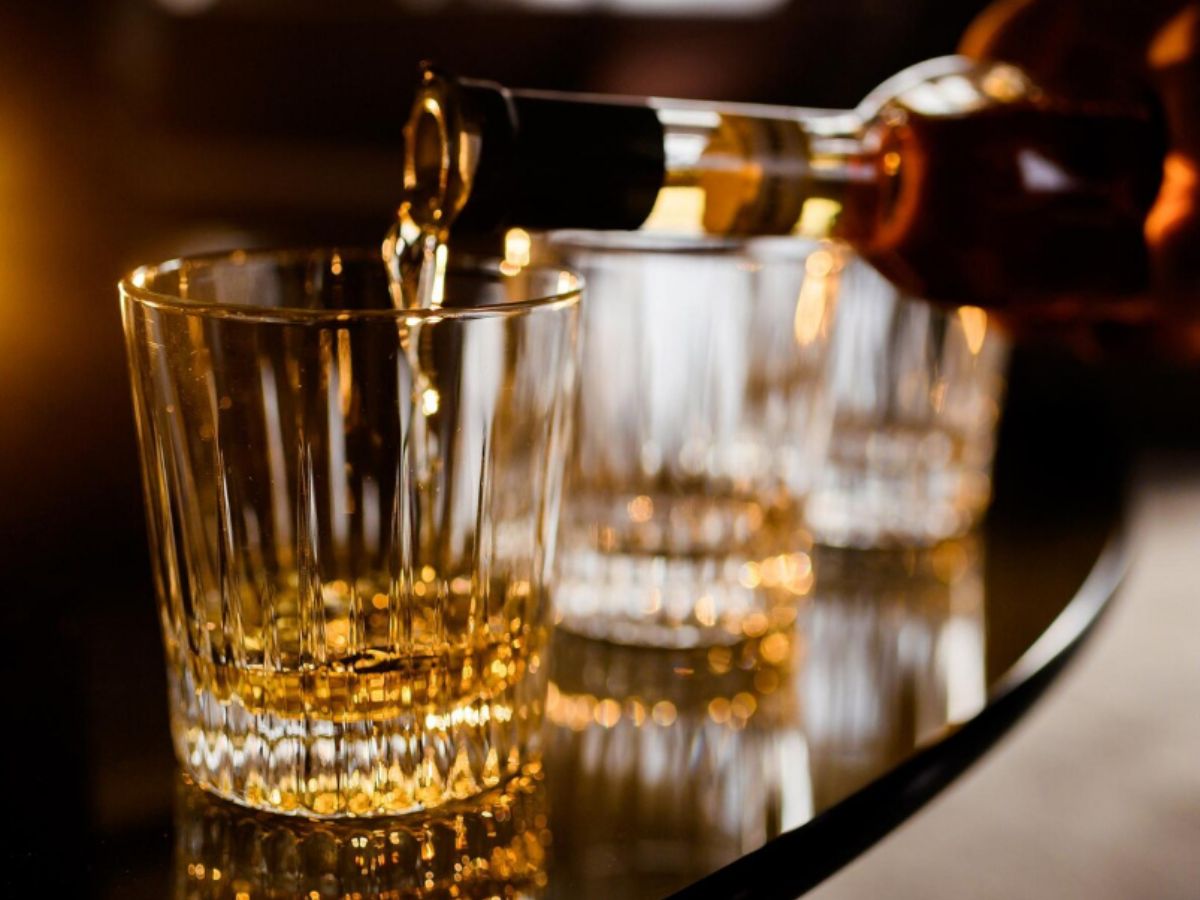
Why Alcohol Is Excluded
Excise duty on alcohol is a key revenue source for States, often making up 15%-25% of their own tax collections. Tax experts warn that bringing liquor under GST would cut into this vital stream and limit States’ financial autonomy. This is why, since GST was first introduced in 2017, alcohol has remained outside its scope despite repeated discussions.
The Current System
Alcohol, unlike tobacco is taxed via state-level levies such as excise duty, VAT, and additional surcharges. Although, alcohol will not get affected by the GST 2.0, its packaging, transportation, advertising, and logistics will be taxed under the new GST regime, creating a dual system.
ALSO READ: GST 2.0: List of Goods to Face the 40% Sin Tax | COMPLETE LIST
How Different Countries Tax Alcohol
Different countries differ on alcohol taxation. For instance, Australia and New Zeeland include alcohol under GST, while others treat it separately. In India, concerns over State revenue and the social impact of alcohol consumption have kept it outside GST’s fold.
GST 2.0 will take effect on September 22, 2025, after which the prices on luxury goods like cigarettes, soft drinks, high0end cars, and processed foods will see hike in prices. Alcohol will remain taxed under State systems.