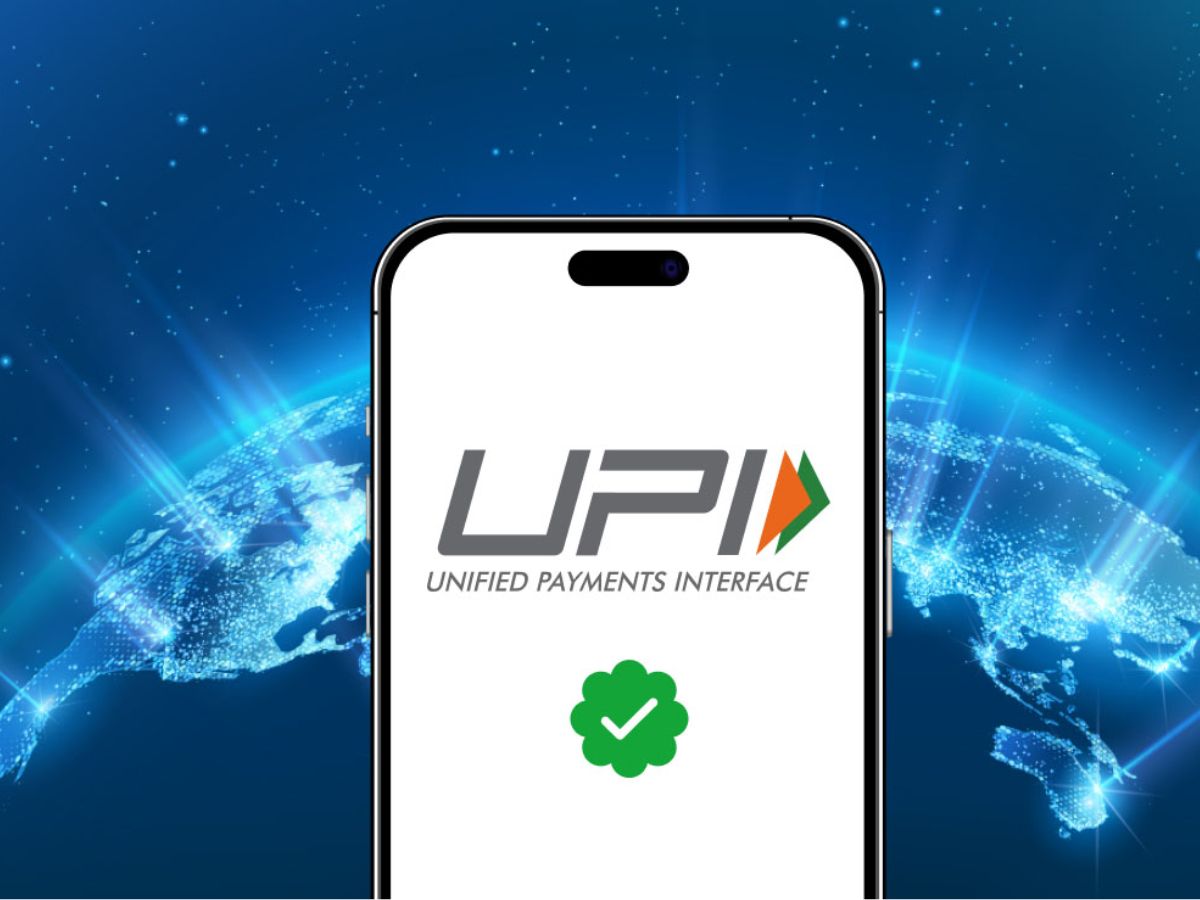
India’s Unified Payments Interface (UPI) is evolving from a fast, accessible payment tool into a powerful channel for widening credit access. Operators like street vendors and small businesses can now obtain short-term loans via UPI, enabling their credit lines secured by gold, property, fixed deposits, or investments to be used for payments or cash withdrawals directly through the app. This strategy is transforming UPI into the key infrastructure supporting embedded financial services across the country. “UPI is now the infrastructure layer to provide the whole financial services business,” says NPCI CEO Dilip Asbe.
Serving the Underserved with Digital Credit
While 89% of Indians had bank accounts in 2024, only 15% borrowed money through formal channels. Leveraging UPI, lenders can tap into digital transaction histories to assess creditworthiness for previously excluded groups. Studies show that a 10% increase in UPI use results in a 7% increase in credit access, with underserved borrowers seeing credit rise by 4–8%. This data-driven approach helps expand formal lending while avoiding increased default rates.
Also Read: August Financial Reset: UPI Rule Revisions, RBI’s Big Decision, and Card Benefit Cuts
Banks and Fintechs Accelerate Credit Disbursement
Indian banks have begun offering small-value credit lines over UPI, allowing real-time lending. Companies like Navi are betting on UPI’s widespread use, calling it a “key entry point for new players.” Innovations include a UPI-linked credit card launched by J&K Bank through Pine Labs, and Slice Bank’s UPI-powered banking branch and credit card in Bengaluru the first of its kind. These efforts signal a growing ecosystem supporting digital credit.
Innovations and Infrastructure Expansion
Recent regulatory changes are fueling these developments. In 2023, the RBI allowed the integration of pre-approved credit lines into UPI apps, such as credit cards or overdrafts. NPCI has introduced new interchange fee structures that make UPI-backed credit more appealing to merchants. New capabilities like “UPI Circle” enable secondary users to transact using someone else’s UPI account. All this, alongside platforms like the Unified Lending Interface (ULI) and Open Credit Enablement Network (OCEN), is set to revolutionize loan servicing especially for MSMEs, which face a $500 billion credit shortfall.
Challenges and Future Outlook
Despite its potential, UPI-based lending faces hurdles. Many small businesses still turn to informal borrowing due to inertia or lack of trust in formal financial systems. Banks may need technological upgrades to support these products. Additionally, some small vendors are resistant due to taxation fears tied to UPI visibility. Still, embedded credit through UPI, fueled by data and lower costs, promises to enhance financial inclusion for millions across India.
Also Read: New UPI Rules Kick in August 1: How They Will Affect You