
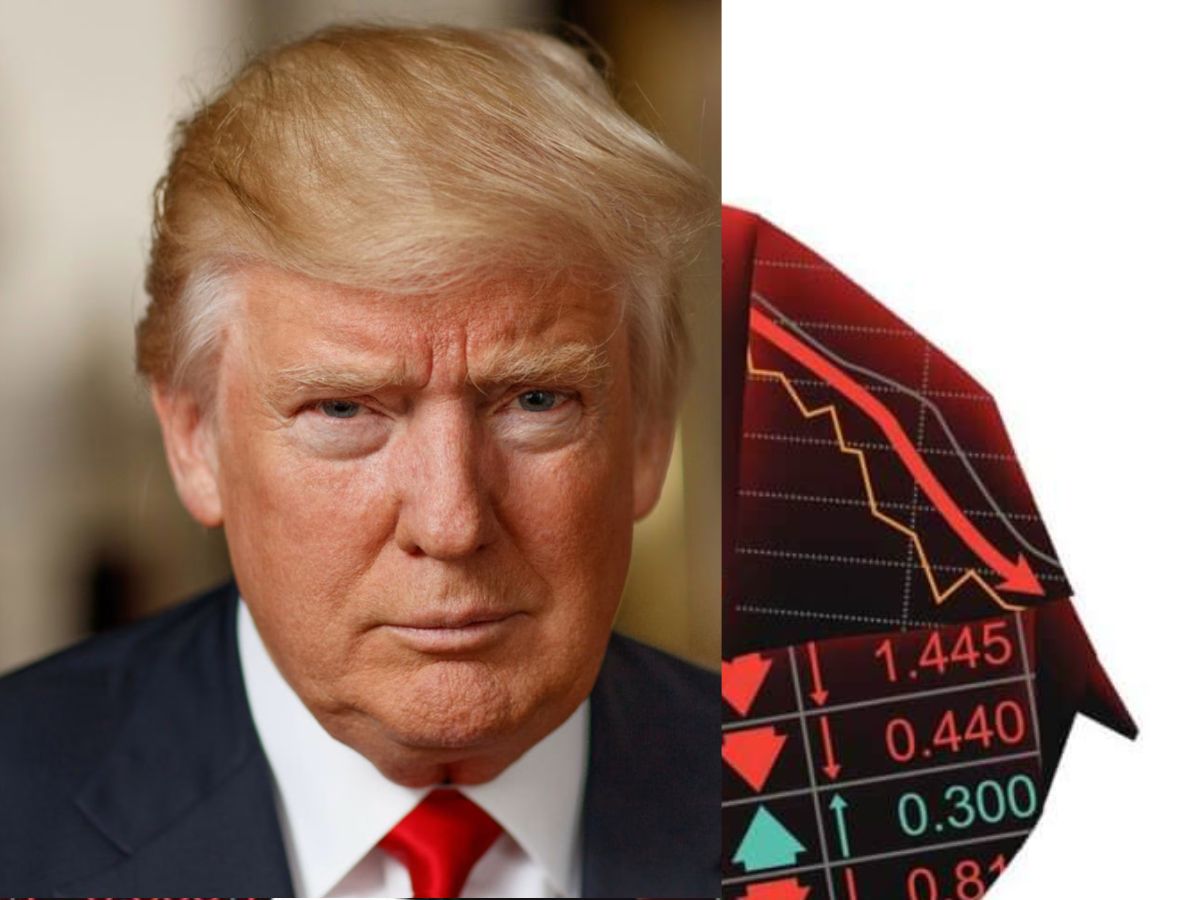
Donald Trump’s theatrical declaration of a 25% tariff—plus a further, unspecified sanction—on Indian imports caused financial markets to shudder and unsettled investor moods in both nations. The tariffs, effective from August 1, were announced through Trump’s Truth Social channel and referred to India’s already high current tariffs on US merchandise, stringent non-tariff restrictions, and the country’s continued buying of Russian energy and defense equipment as main justifications for the strong measure.
This significant escalation occurs at a precarious timing, as both nations had been moving towards an interim trade accord following months of negotiations. Indian officials, who were taken aback by the depth and magnitude of the tariffs, have not made any retaliatory announcements yet, but the government said it would take “all necessary measures to safeguard national interest,” indicative of frayed trade relations in the future.
Immediate Market Reaction
The financial effect was immediately apparent. India’s offshore derivative index Nifty GIFT, which precedes domestic market openings, tumbled sharply after the tariff announcement. By evening, GIFT Nifty had lost more than 160 points (around 0.7%), dipping to 24,691.5—a loss of close to 150 points against the Nifty futures’ last close. This sharp fall indicates a dismal beginning for the Indian stock market’s next trading session, with investors expecting further volatility.
On the day of the announcement, the prime equity indices had closed higher—Sensex up 144 points at 81,482 and the Nifty up 34 points at 24,855—helped by earnings optimism. However, the after-hours movement in GIFT Nifty reflected an abrupt reassessment of risk, sparked by fears of escalating protectionism and adverse sector impacts.

Sector Implications and Broader Concerns
Analysts anticipate the maximum suffering in US-heavy Indian sectors: textiles, pharma, gems and jewellery, electronics, and auto components. The US imported close to 28% of Indian textile exports, and with the competition from Bangladesh and Vietnam enjoying lower tariff levels (15-20%), Indian exporters stand to lose substantial market share. Industry executives in the garments and home textile sectors warned of the instant pressure on operating margins and the possibility of passing on some of these costs to US consumers.
Macroeconomists caution a US tariff of 25% across the board would pull India’s GDP by over 0.5 percentage points if prolonged, aggravating concern over low global demand and threatening loss of jobs in export-oriented industries. The rupee also witnessed its biggest one-day drop in months, mirroring concern over capital flows and the trade deficit.
Outlook
While some experts believe Indian markets may “digest” the initial tariff shock and adjust rapidly, most say the near-term outlook is marked by volatility and downside risk. The prospect of intensified trade protectionism, coupled with the risk of breakdown in US-India cooperation, looms large as investors await both nations’ next moves on the diplomatic and policy front. At least for the time being, the Trump tariffs have once again fueled international trade concerns, squeezed Indian exporters, and will most probably loom over the Indian markets in the times to come.