
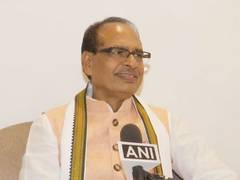
New Delhi [India], May 31 (ANI): Union Agriculture Minister Shivraj Singh Chouhan will launch the Khet Bachao Abhiyan nationwide from June 1, responding to the Prime Minister’s call to reduce excessive fertiliser use. The month-long campaign will run till June 30 and begin from Ramsiya village in Raisen, Madhya Pradesh.
Chouhan is reaching out to state Chief Ministers over phone and has written to all Chief Ministers seeking their cooperation. Under the drive, the minister will tour the country for a month, visiting farms and interacting directly with farmers to push for balanced fertiliser use, soil health management and alternatives like nano-urea and organic inputs.
The outreach comes as the government recently reviewed fuel, fertiliser and other essential commodities on Wednesday amid the ongoing West Asia crisis. In the sixth meeting of the Informal Group of Ministers on West Asia, chaired by Defence Minister Rajnath Singh, the Centre asserted that supplies across the country remain normal and urged citizens to avoid panic buying of petrol, diesel and LPG.
Union Ministers, including JP Nadda, Hardeep Singh Puri, Prahlad Joshi and Ashwini Vaishnaw attended the meeting. Rajnath Singh said on X: “The supply situation in the country today is normal,” adding the government is “leaving no stone unturned” to ensure the availability of essential items.
The government said petrol and diesel supplies are “fully adequate”, with refining capacity of 258.1 MTPA against domestic consumption of 243.2 million tonnes last fiscal. India also exports ~61.5 million tonnes of petroleum products annually, leaving no supply gap. Public Sector OMCs are absorbing losses of around Rs 550 crore per day to shield consumers from the full impact of global price rises.
For Kharif 2026, fertiliser requirement is estimated at 390.54 lakh metric tonnes, with current availability at 200.47 LMT, or over 51% of need. After the West Asia crisis, around 122.4 LMT has been added via imports and domestic production. India has secured ~15 LMT of DAP and 10 LMT of NPKs expected at ports in May-June.
India imports nearly 70% of urea and 100% of potash, mainly from Saudi Arabia, Oman, UAE, Jordan and Iran. Disruptions to Red Sea/Gulf shipping routes and volatile crude and natural gas prices since the West Asia conflict escalated have pushed up freight costs and fertiliser production costs. Natural gas is the key feedstock for urea, so global energy spikes directly hit import costs and subsidy burden.
Rajnath Singh directed officials to keep enhancing preparedness and ensure “fertilisers and other essential agricultural inputs remain adequately available to farmers” so food prices stay stable. With subsidies being cleared weekly and input stocks under regular review, -Khet Bachao Abhiyan- is framed as the farm-level push: cut wasteful urea use, improve soil health, and reduce import dependence as global supply chains stay fragile. (ANI)
(The article has been published through a syndicated feed. Except for the headline, the content has been published verbatim. Liability lies with original publisher.)