
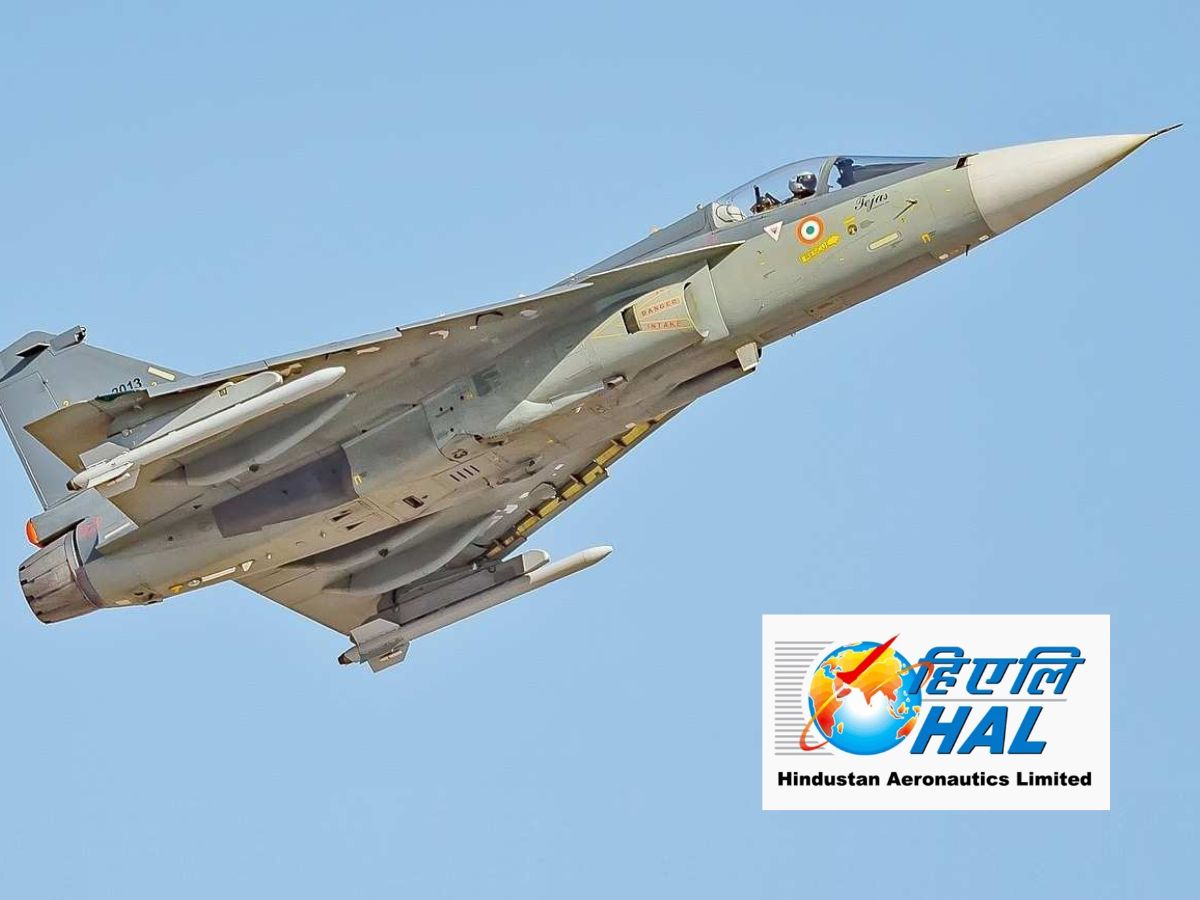
Hindustan Aeronautics Limited (HAL), India’s leading aerospace and defence PSU, announced its Q1 FY26 results indicating diversified performance with revenue up but a marginal fall in net profit. For the quarter ended June 30, 2025, HAL posted a net profit of ₹1,377.15 crore, which is 4.4% lower than ₹1,435.59 crore reported in the corresponding quarter last year. This dip was largely due to higher taxation costs and higher employee benefit expenses, including an increase in pension scheme contributions, which put an extra ₹111 crore burden. The basic earnings per share also fell marginally to ₹20.59 from ₹21.47 a year ago.
PBT and EBITDA surge
On the operational side, HAL’s top line from operations jumped 11% year-on-year to ₹4,819.14 crore, versus ₹4,347.57 crore in Q1 FY25. This was accompanied by a strong turnaround in profit before tax, which increased 16.8% to ₹1,847.69 crore from ₹1,582.17 crore last year. The EBITDA of the company also improved vigorously to ₹1,280 crore with the margin increasing to 26.61% from 22.79%, reflecting operational efficiency improvements and sound cost control.
Also Read | 13 August, 2025: The Avenger Wednesday – Tuesday Losses Made Up
Dividend to be considered
HAL’s board has proposed a final dividend of ₹15 per equity share (300%) for FY24-25 subject to shareholders’ approval, over and above the interim dividend already announced.
These financial numbers are a testament to HAL’s strong operating growth led by a healthy order book and higher deliveries, especially from the Tejas aircraft project. The scale-up in Tejas Mk1A fighter jet production and deliveries will be key growth drivers. Brokerages are positive about HAL’s long-term prospects with a revenue CAGR of approximately 24% for 2025-2028 underpinned by manufacturing ramp-up and indigenisation activities. Net profit is also estimated to expand at around 17% CAGR during the period.
Also Read | Q1 Results: BDL Reports Strong Numbers, Big Jump for Net Profits
Shares reaction mixed
The share price reaction in the stock market was fluctuating with the price slipping slightly after results but bouncing off intraday lows, depicting investor optimism on the medium-term growth prospects.
Time and delay continue to be the factors
Critical risks for HAL are timing and delays in important platform orders, payments from the Ministry of Defence, and increased competition from private players in defence manufacturing. Nevertheless, the company’s robust order book worth approximately ₹1.89 lakh crore, mounting contribution from repair and overhaul services, and a guided EBITDA margin of 31% in the next couple of years support its growth path.
Also Read | Inflation Data Suggests CPI Fell Below Estimates
In all, HAL’s Q1 FY26 performance shows consistent revenue growth and margin expansion amidst a short-term decline in net profit owing to increased costs and taxes. With ramped-up Tejas deliveries and a strong order book, HAL is poised for long-term growth in India’s strategic defence manufacturing business.