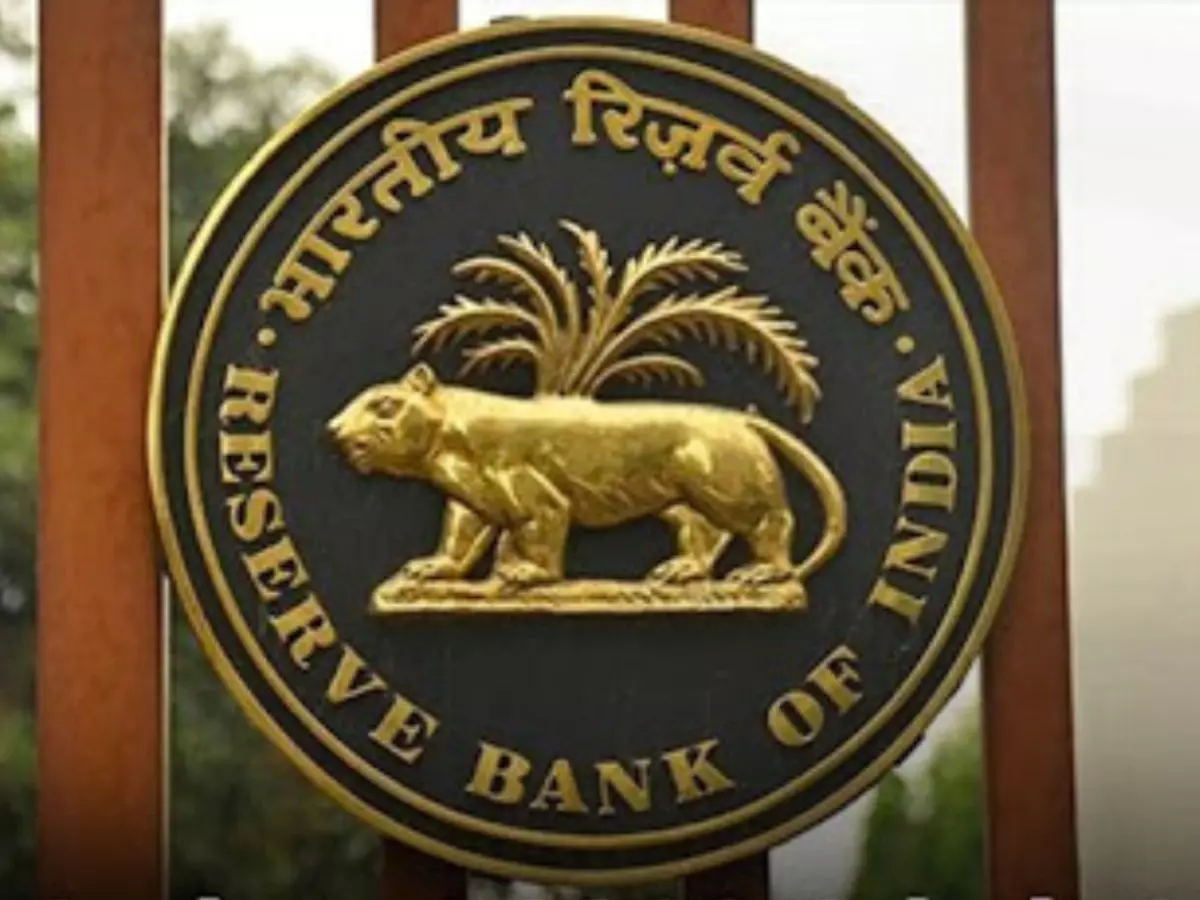
Over the past few months, India’s currency rupee has been significantly under pressure upon which the Reserve Bank of India is likely to sell US dollars in both onshore and offshore markets the reports state.
The unnamed sources noted the RBI offloaded at the very least $5 billion in August, a move that bumped up its level of monetary pressure on the beleaguered rupee, which approached historic lows close to its all-time lows. It marks a major shift from the hitherto restrained stance of the Reserve Bank, earlier under Sanjay Malhotra, who took over in December.
Tariff Hikes in Currency Weakness
More recently, the rupee depreciation was further compounded by US President Donald Trump doubling the tariffs on Indian imports to 50%, effective from August 6.
ALSO READ: India Contributing More to Global Growth Than US, Says RBI Chief Amid Trump Row
This was an act of reprisal against India’s continuing purchase of Russian oil and further aggravated the already beleaguered Indian economy. With the rupee quoting very close to 87.89 per dollar almost historical low, the two eminent risks of imported inflation and economic disruption project their shadows.
Central Bank Tactical Intervention in Market
The RBI strategy for intervention also includes selling dollars directly and using non-deliverable forwards (NDFs), a financial instrument that impacts currency rates without the immediate need to exchange large volumes of dollars.
The RBI, therefore, stands much able to do much of its work managing volatility of the rupee quietly and efficiently. Increased activity during offs by the RBI has been identified with trading in offshore markets, an indication of the proactive management of currency fluctuations.
Impact on Foreign Exchange Reserves
The impact of the RBI’s recent intervention testifies an increase in dollar movements to the tune of $9.3 billion decrease in foreign exchange reserves for the week ending August 1 the highest drop since November.
ALSO READ:
Change in valuation of other currencies has caused part of the decline in reserves, with a considerable part resulting from dollar sales by the RBI to prop up the rupee.
Market Outlook and Broader Implications
The rupee has fallen more than 2% this year against its currencies and has served to make it one of the weakest in Asia by the year 2025. Approximately half of this loss took place within two weeks following the announcements of tariff hikes.
According to analysts, RBI’s increased intervention suggests that too much volatility is being considered concerning currencies but is not necessarily an enduring devaluation trend. Geopolitical conditions and ongoing issues regarding trade policy pose risks for the currency and the economic have just begun to recover with the rest of the economy.
The Reserve Bank of India does not beat around the bush in propping up the rupee against outside pressure and stress caused by geopolitical trade tensions. Though the methods are not sustainable for a long period, it is unlikely that these unending uncertainties would allow the RBI to stop vigilant currency management against further shocks to the economy.
ALSO READ: RBI Chief Sanjay Malhotra Hits Back at Trump’s ‘Dead Economy’ Dig at India